

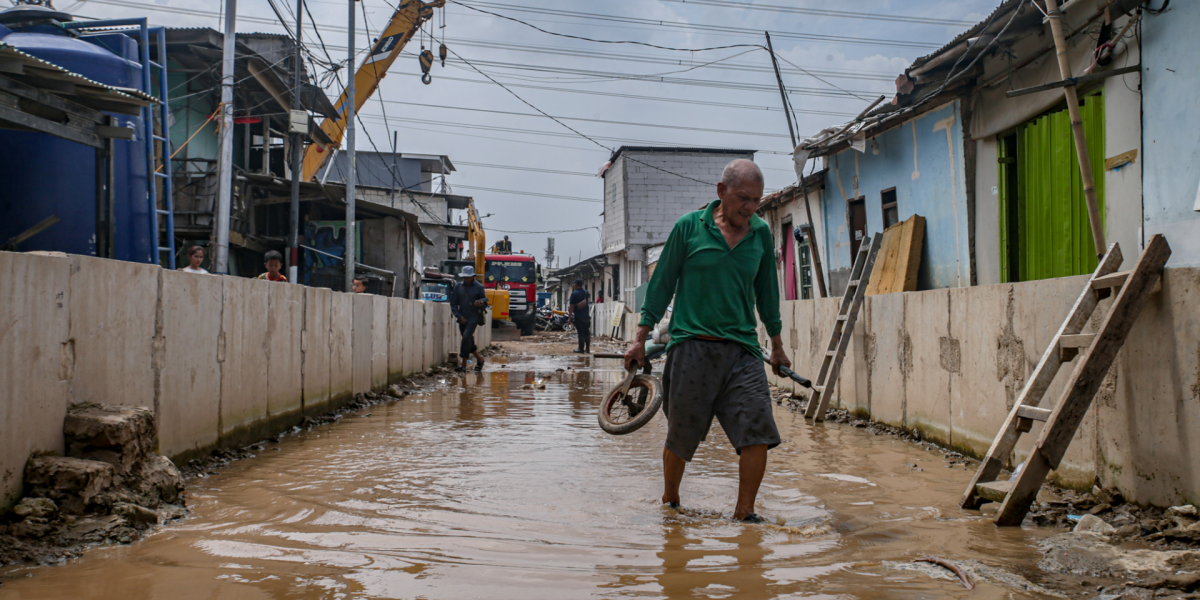
South Africa is experiencing a growing frequency and intensity of climate-related disasters, including droughts, floods, and extreme weather events, which continue to erode development gains and exacerbate existing inequalities. Poorer and marginalised communities are disproportionately affected. At the same time, limited fiscal space, rising public debt, and municipal distress constrain the state’s capacity to respond to climate shocks or invest in long-term resilience. Escalating post-disaster reconstruction costs further reduce resources available for proactive adaptation.
Within this context, sustaining nature-based capital investment and ecosystem protection has become increasingly difficult, despite their critical role in climate resilience. Wetlands, catchments, coastal systems, and biodiversity assets provide essential buffering capacity and support livelihoods yet investment has declined as international donors withdraw and global finance remains skewed toward mitigation rather than adaptation. The lack of predictable adaptation finance has weakened efforts to protect natural assets fundamental to long-term sustainability.
Globally, adaptation finance continues to fall far short of needs. At COP30 in Belém (2025), Parties reaffirmed that Sub-Saharan Africa is the most climate-exposed region, with annual adaptation needs projected at $310-$365 billion by the early 2030s, compared to current flows of around $26 billion. COP30 outcomes sought to address this gap through expanded adaptation mechanisms and the launch of the Global Resilience Investment Panel (GRIP), aimed at mobilising public and private capital for climate resilience and nature-based solutions. Despite these advances, South Africa continues to struggle to access predictable, concessional finance for adaptation, underscoring the need to mobilise private investment and strengthen domestic financing mechanisms.
Speakers
- Dominic Ramos, DNA Economics
- Kirsten Pearson, SAIIA
- Jeremy Gorelick, Green Finance Institute
Presentations
- ESG and Capital Finance Mobilisation from a Private Sector Investment Platform
- Scaling Financing for Ecosystem-Based Adaptation
- Scaling Financing for EbA
- Bridging the Gap Between Mitigation and Adaptation
Watch the Recording
Thank you for your participation.
