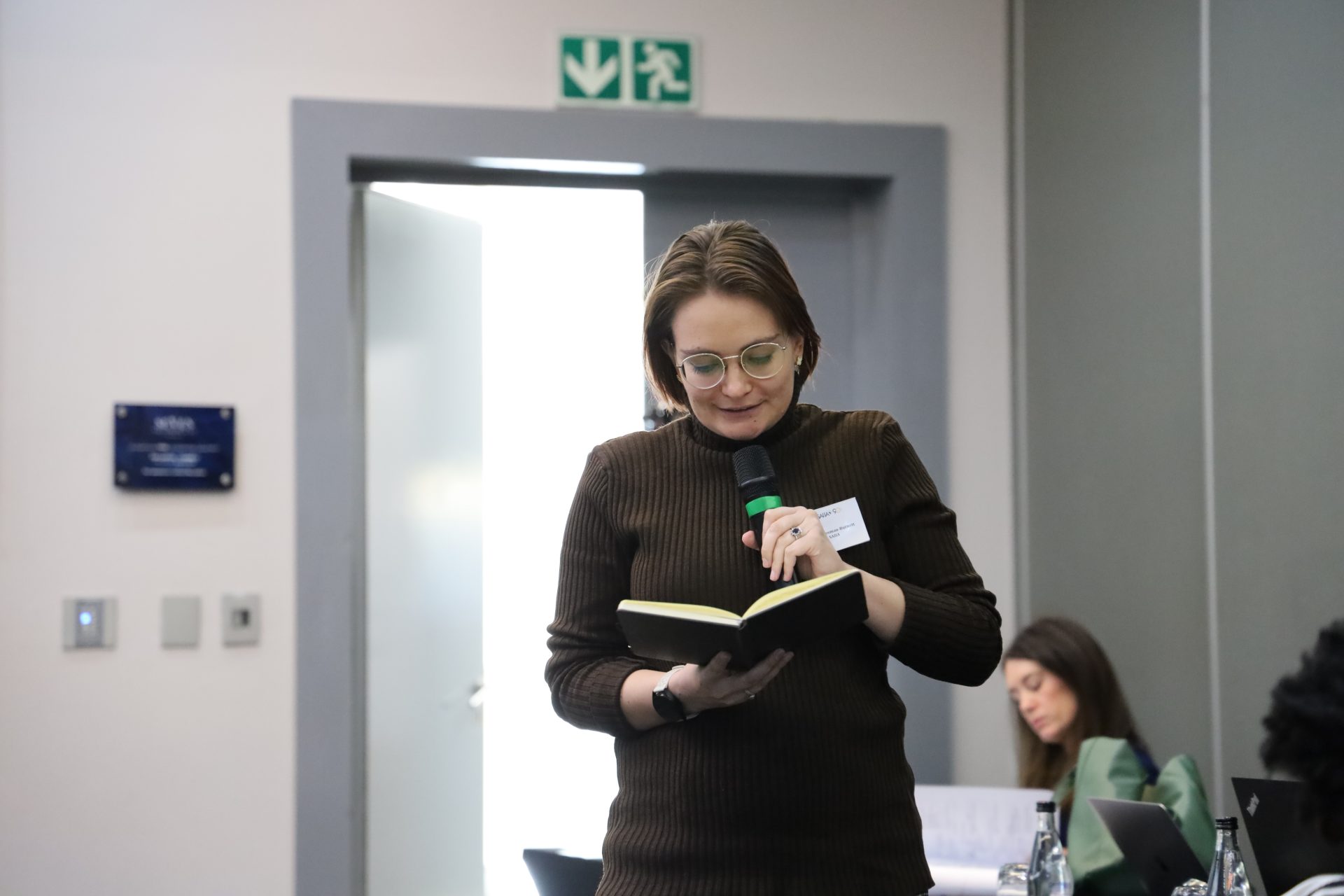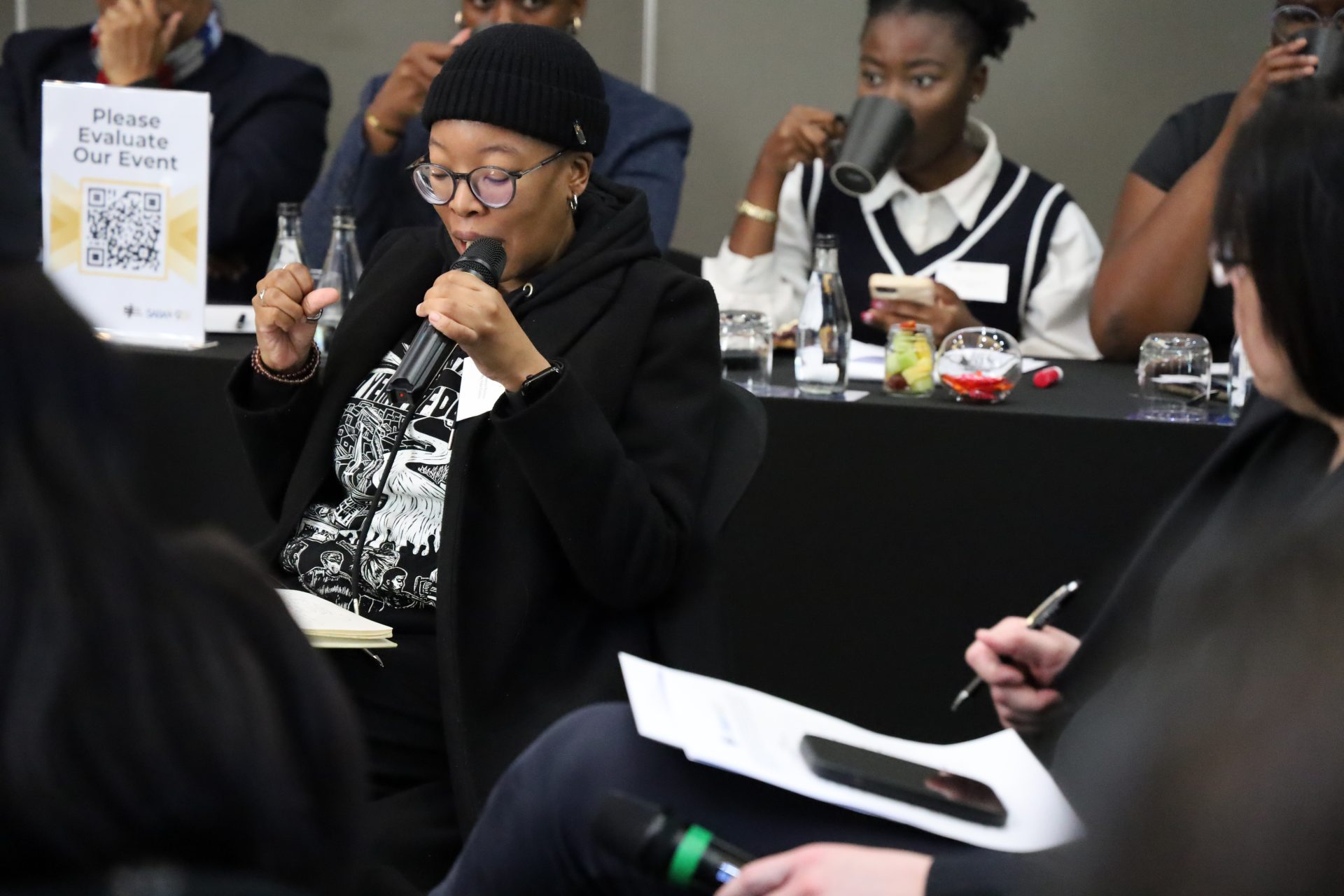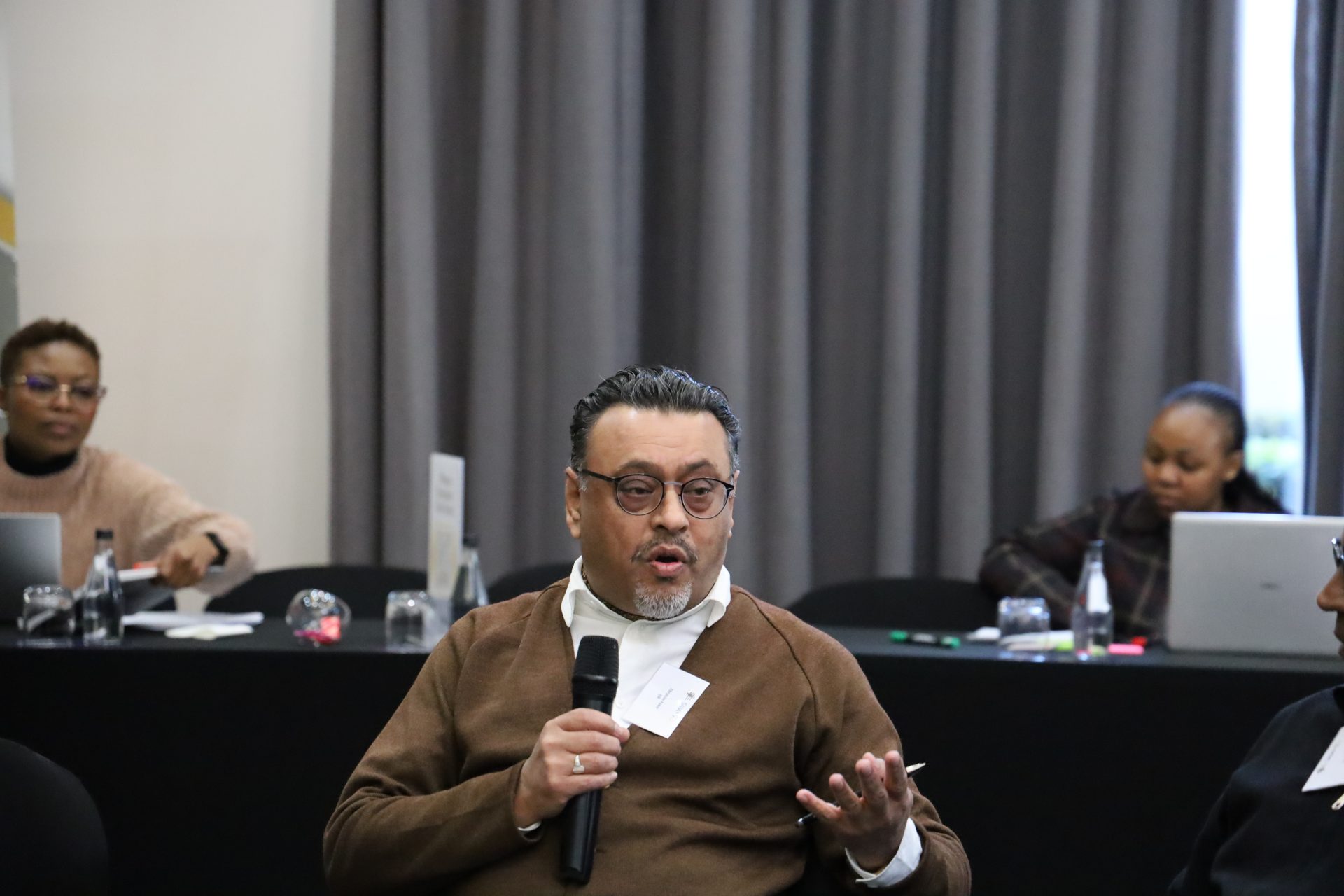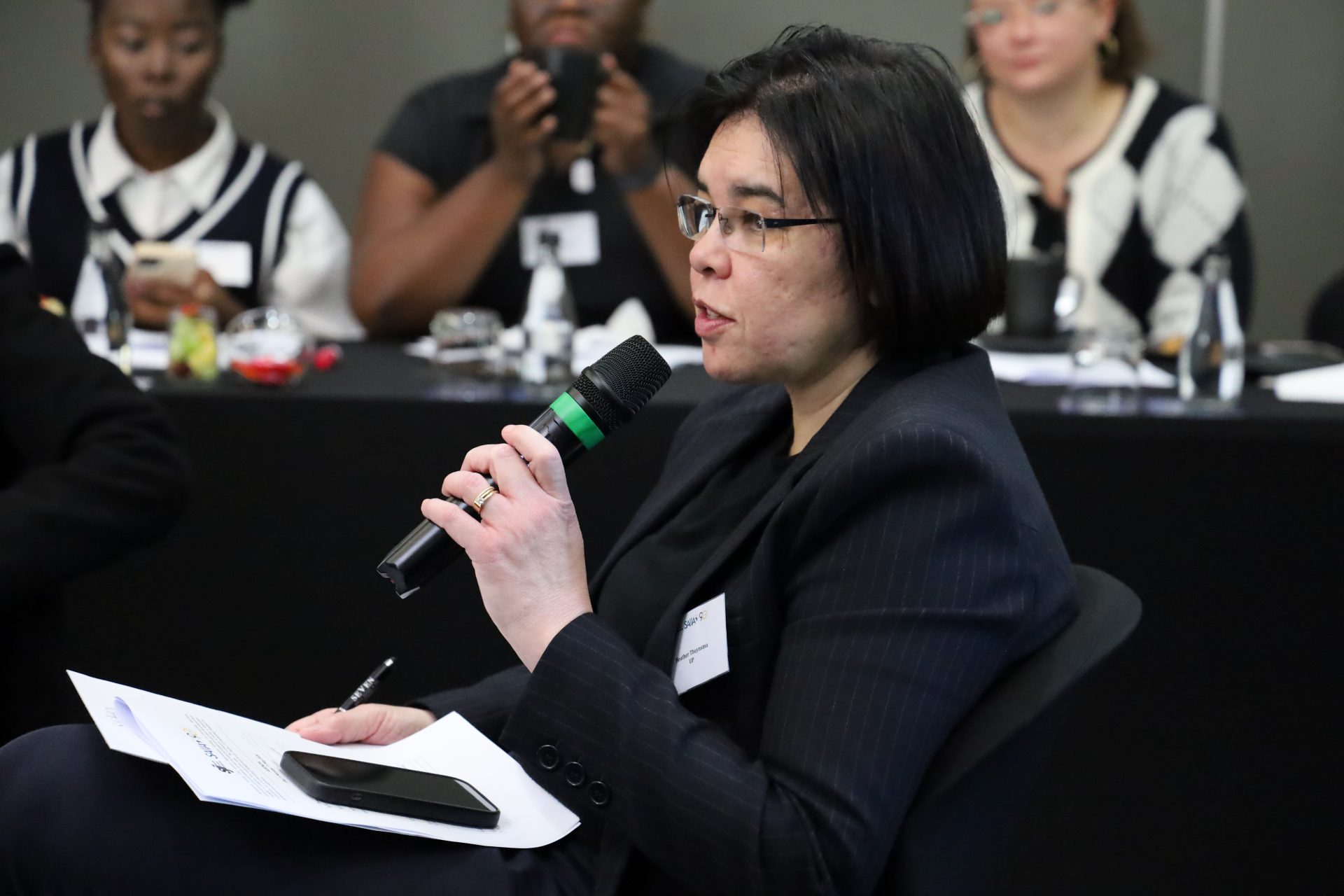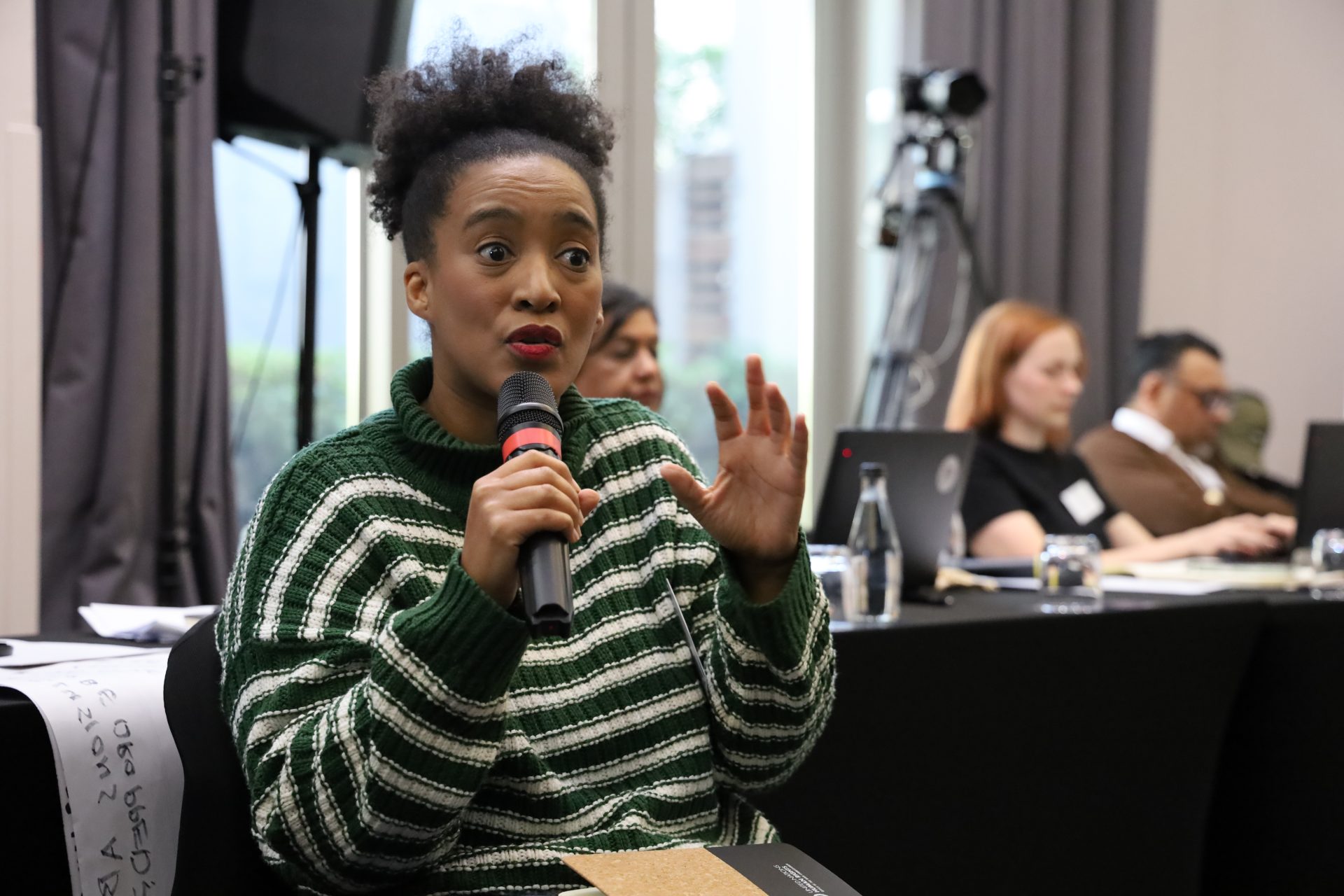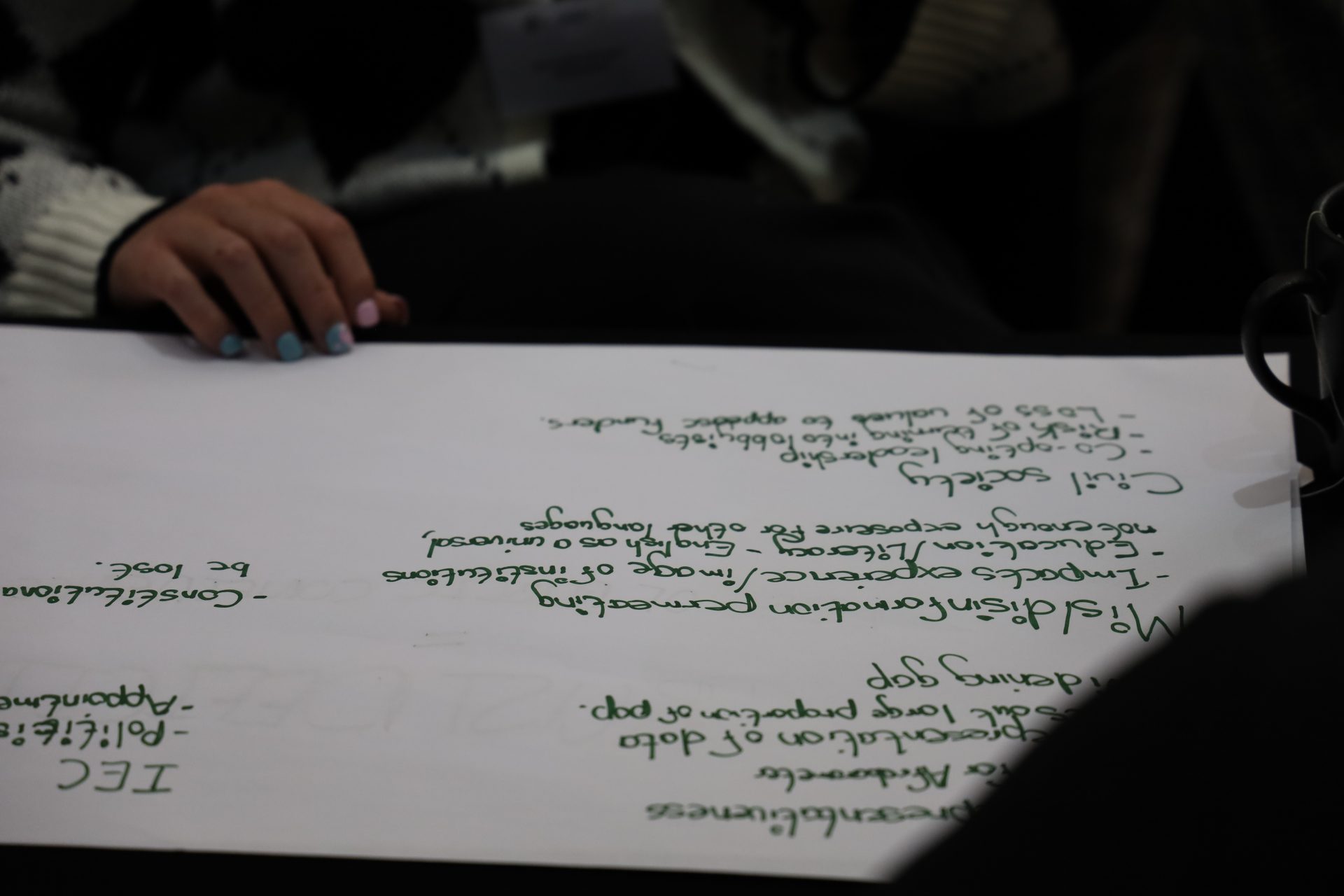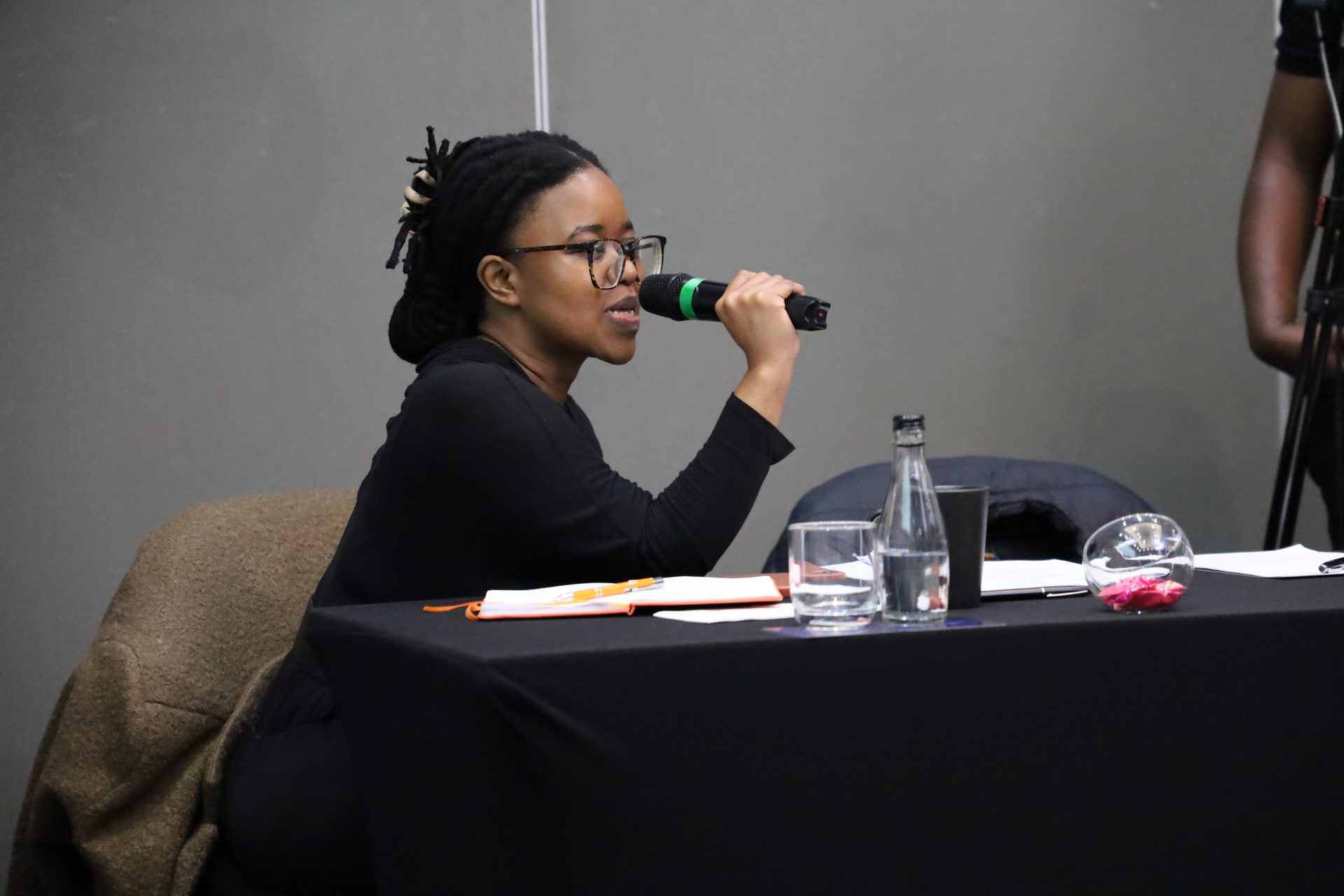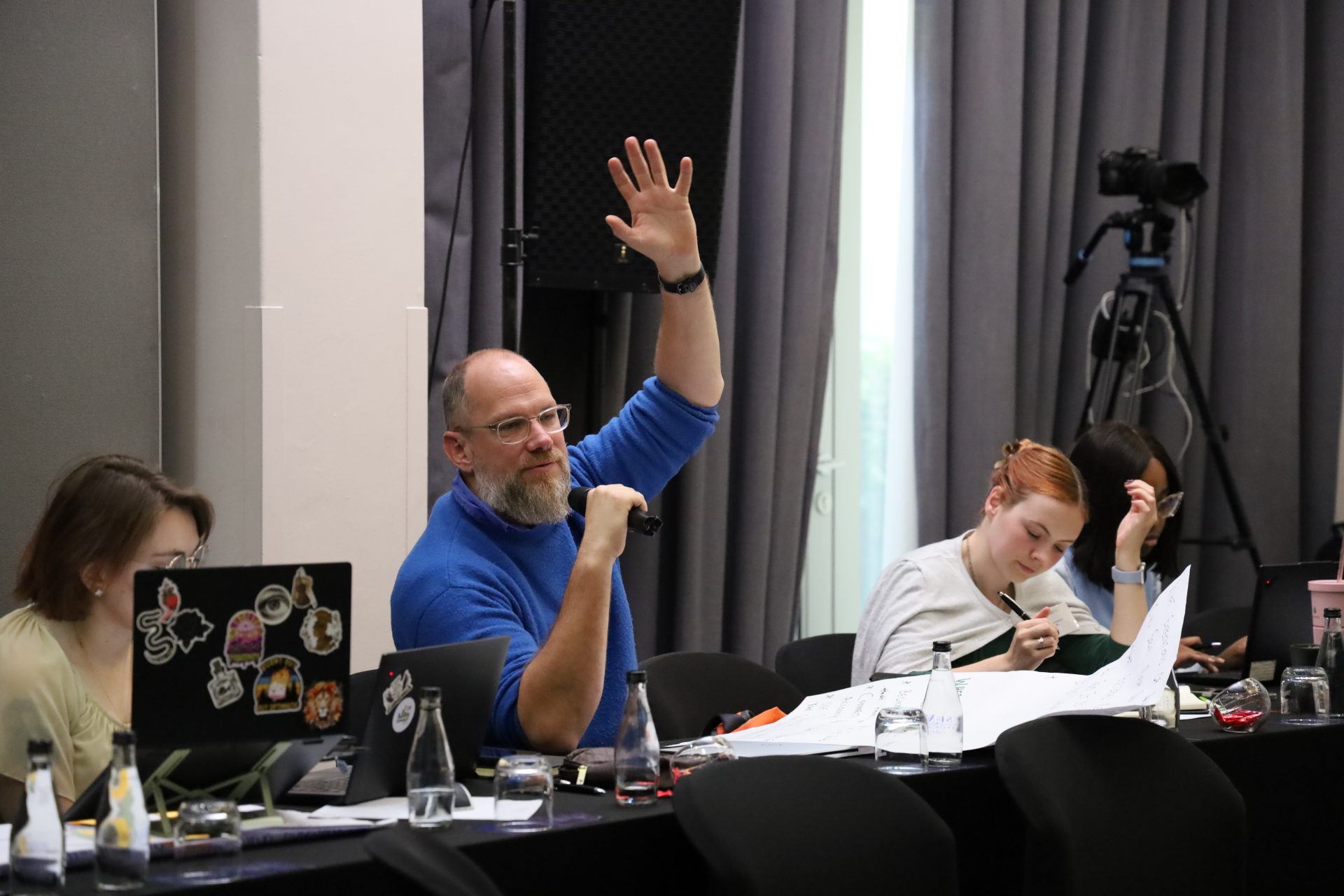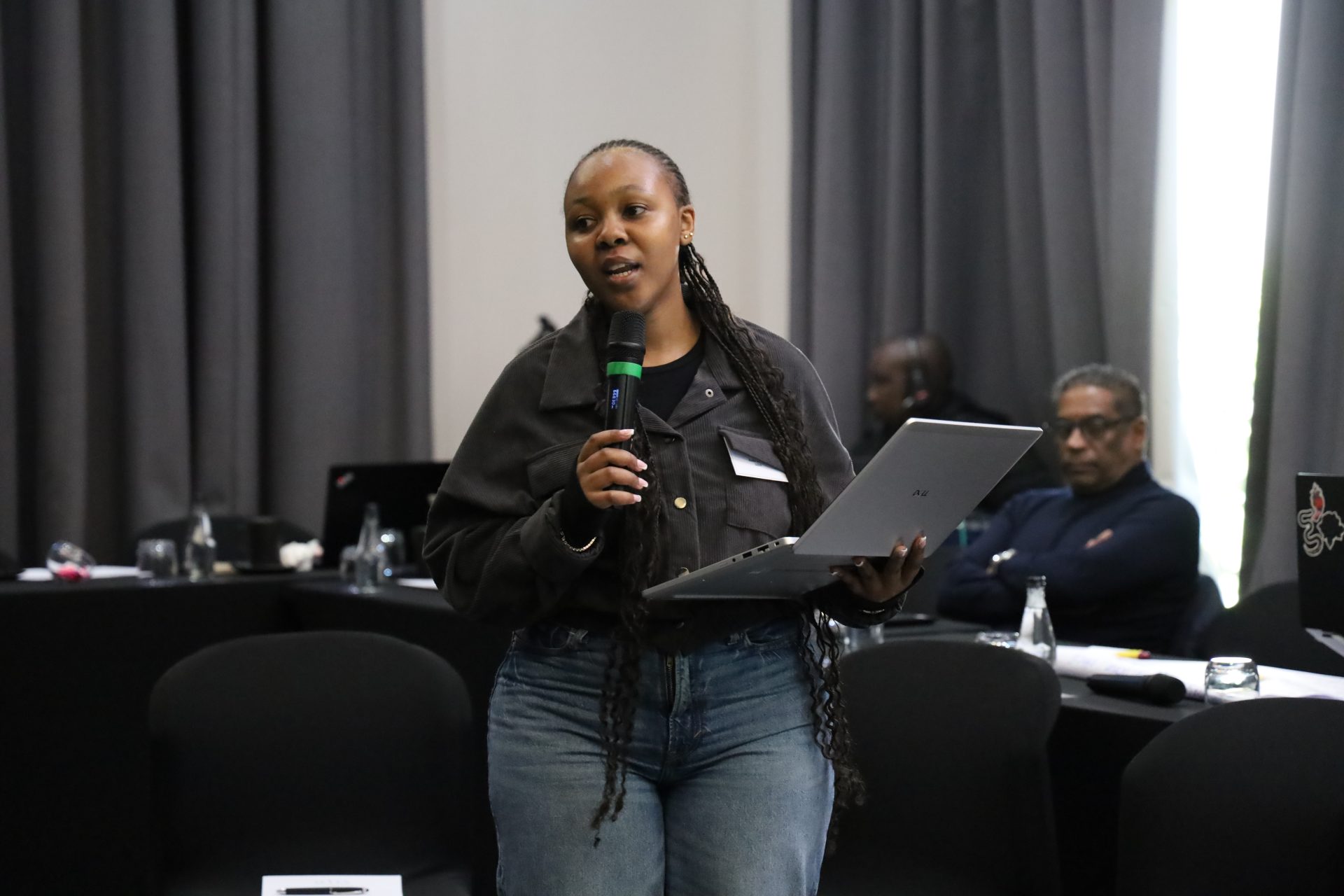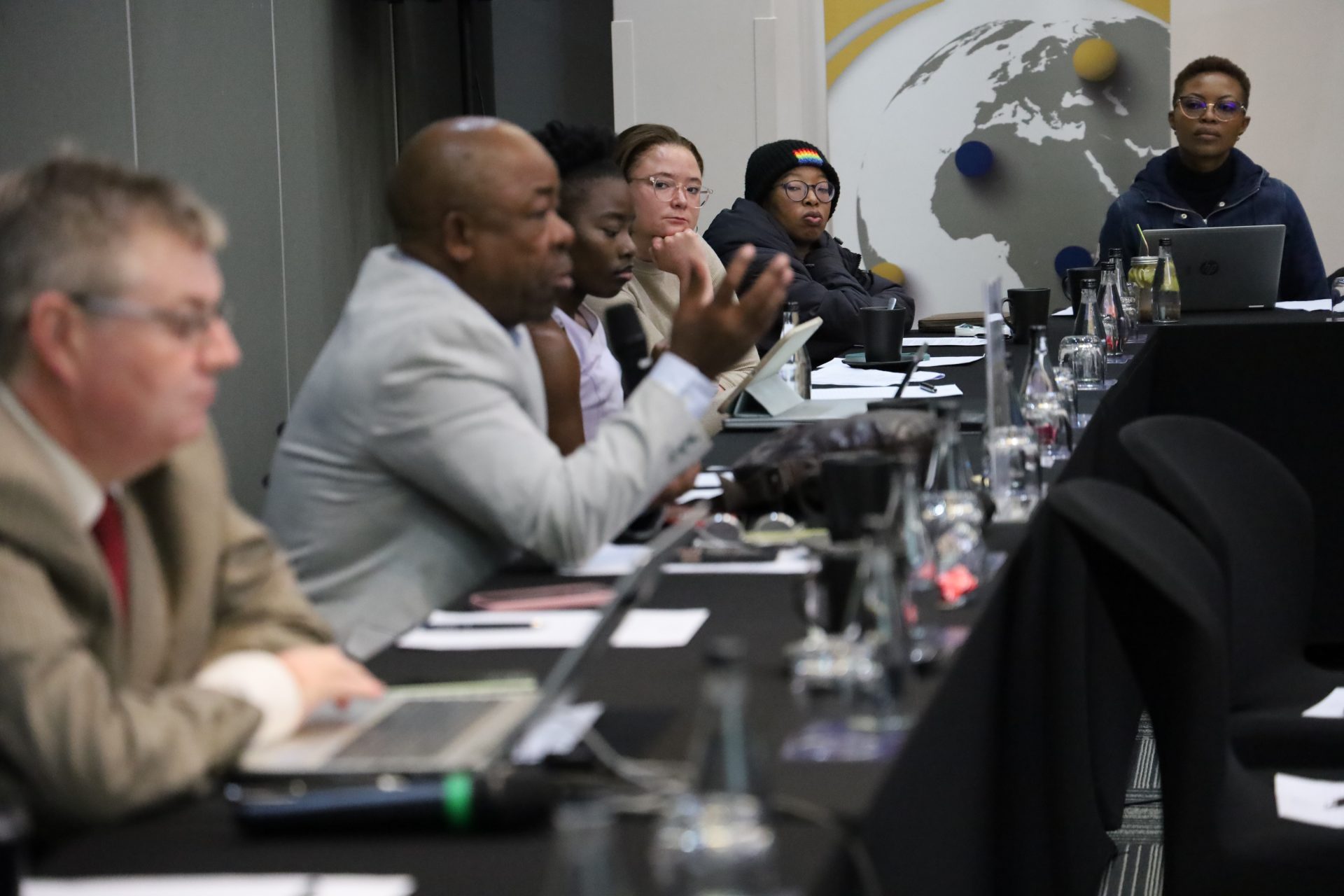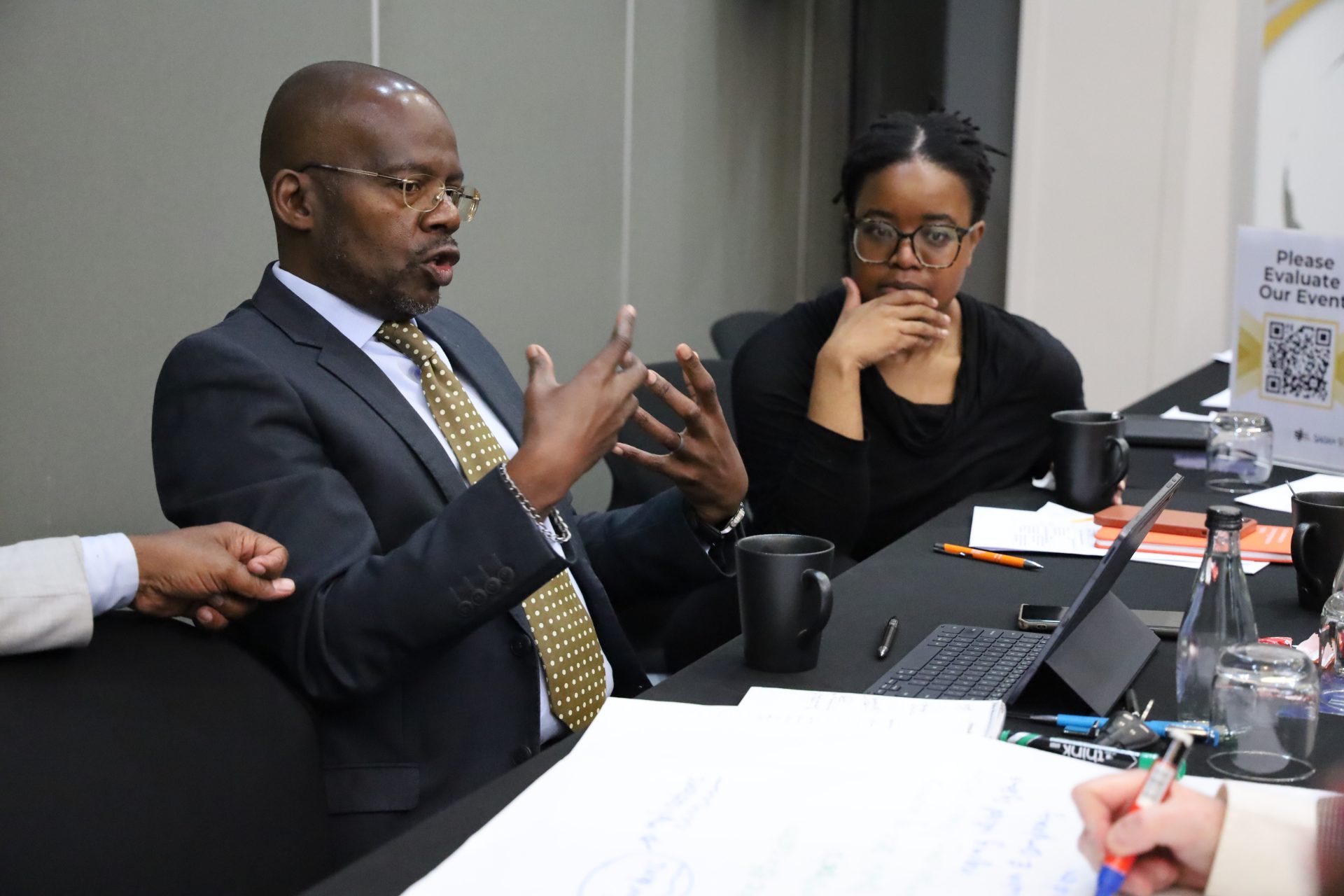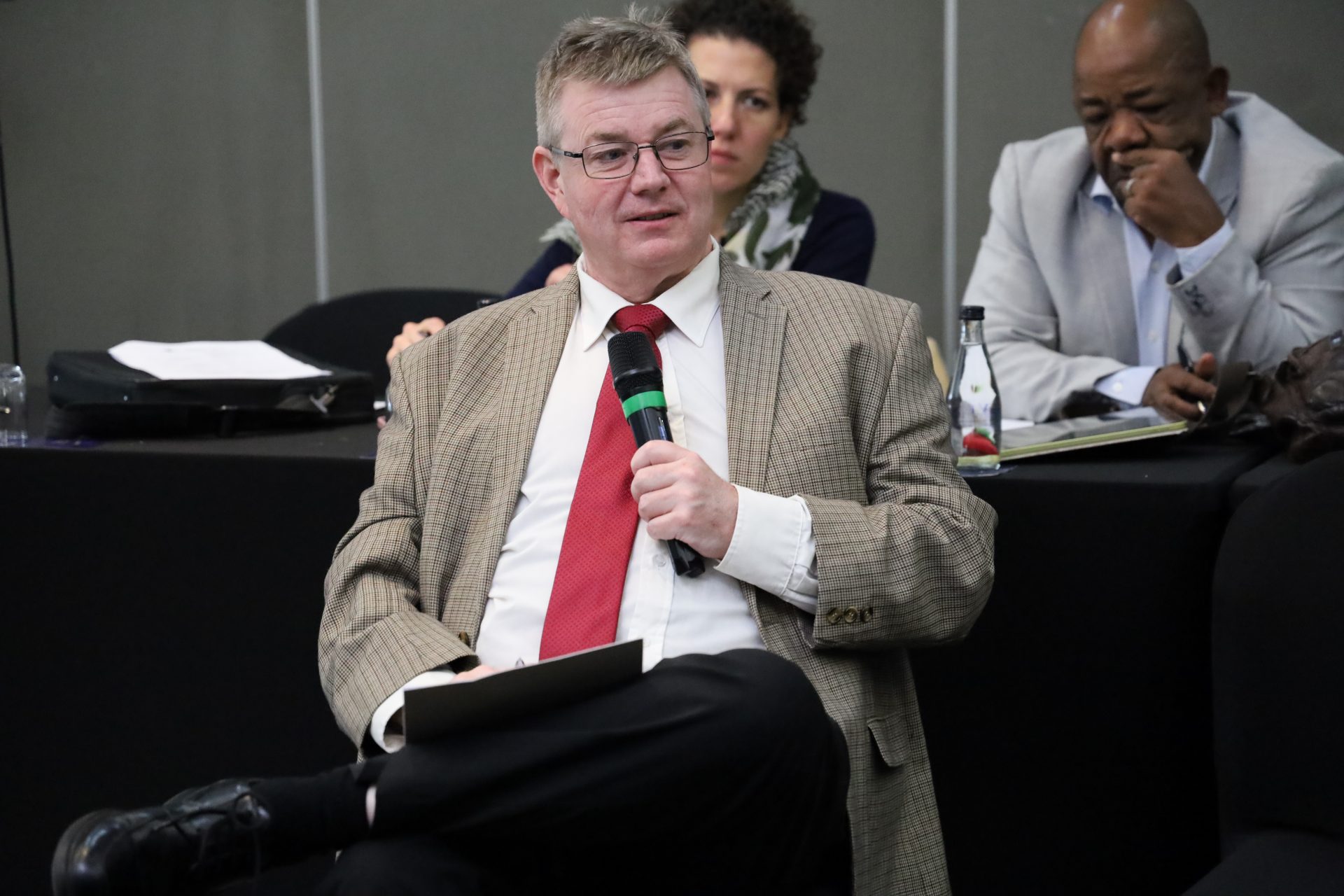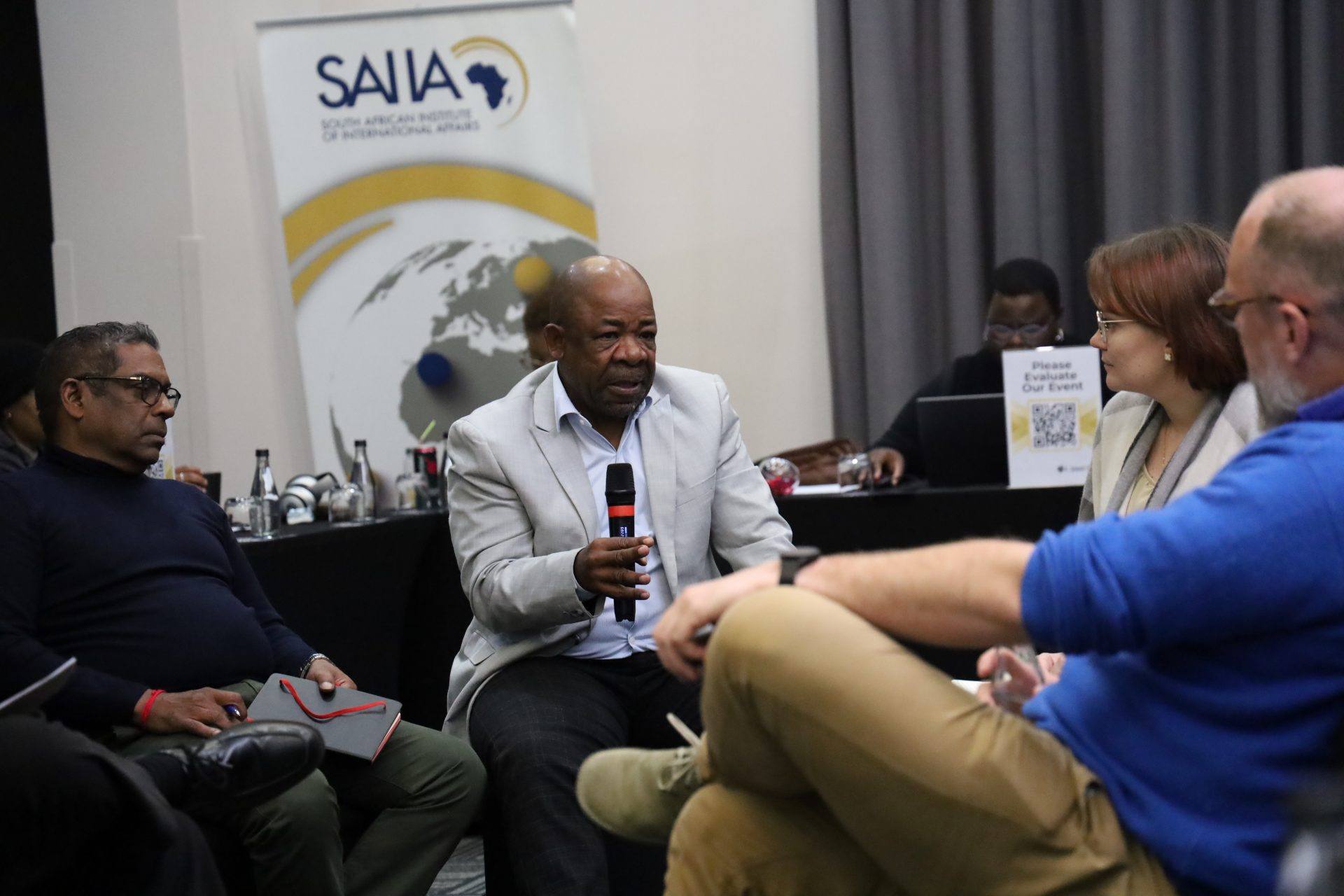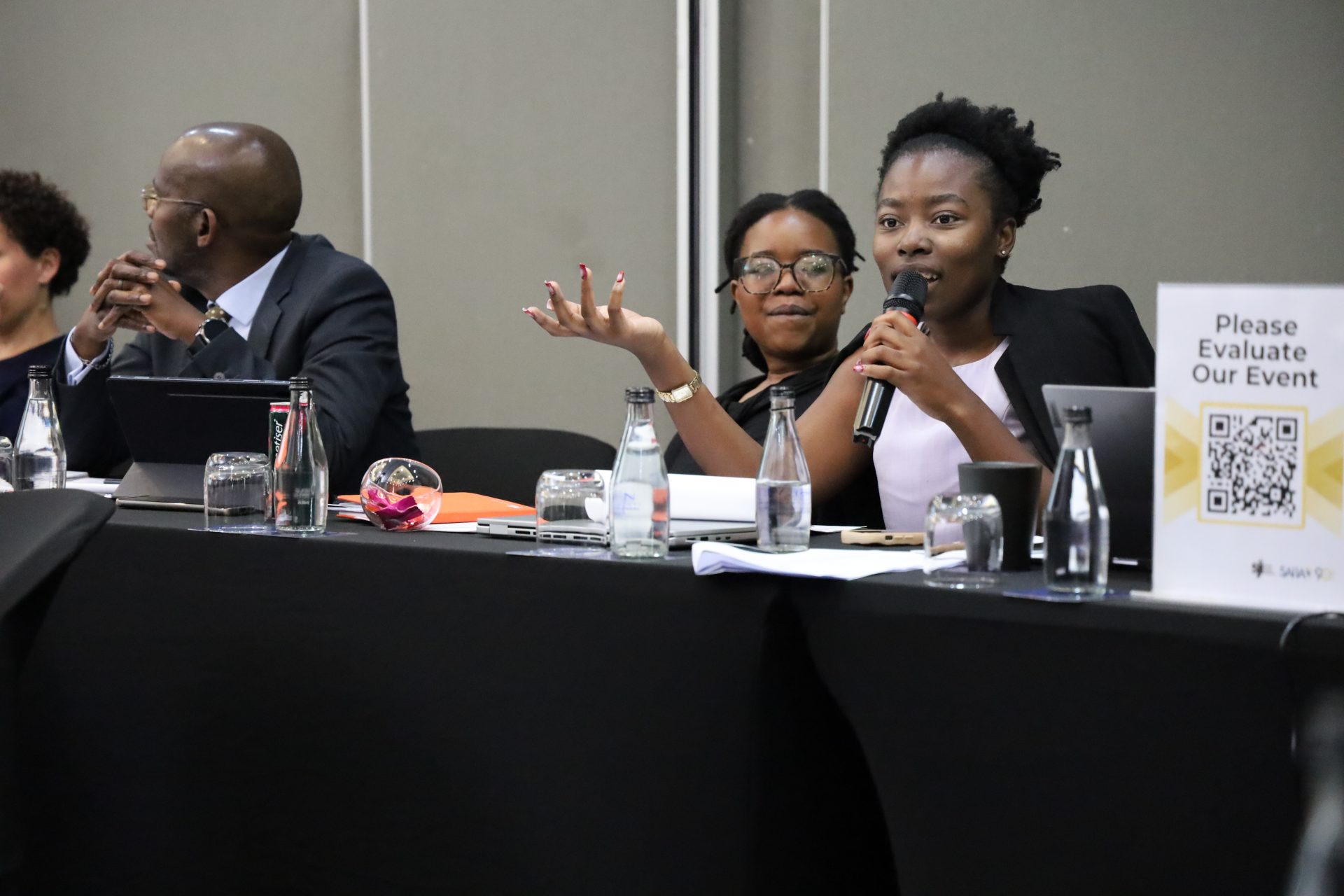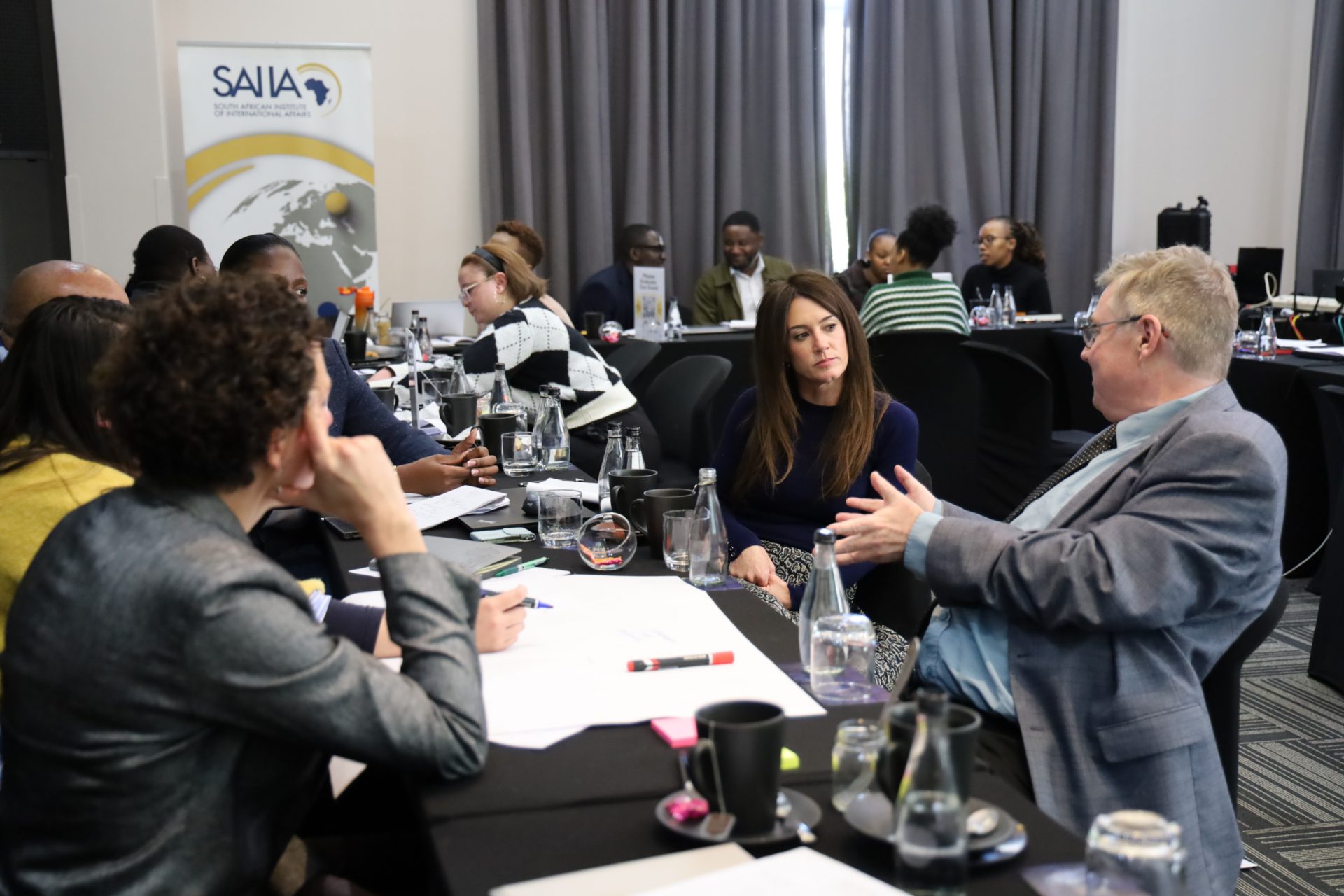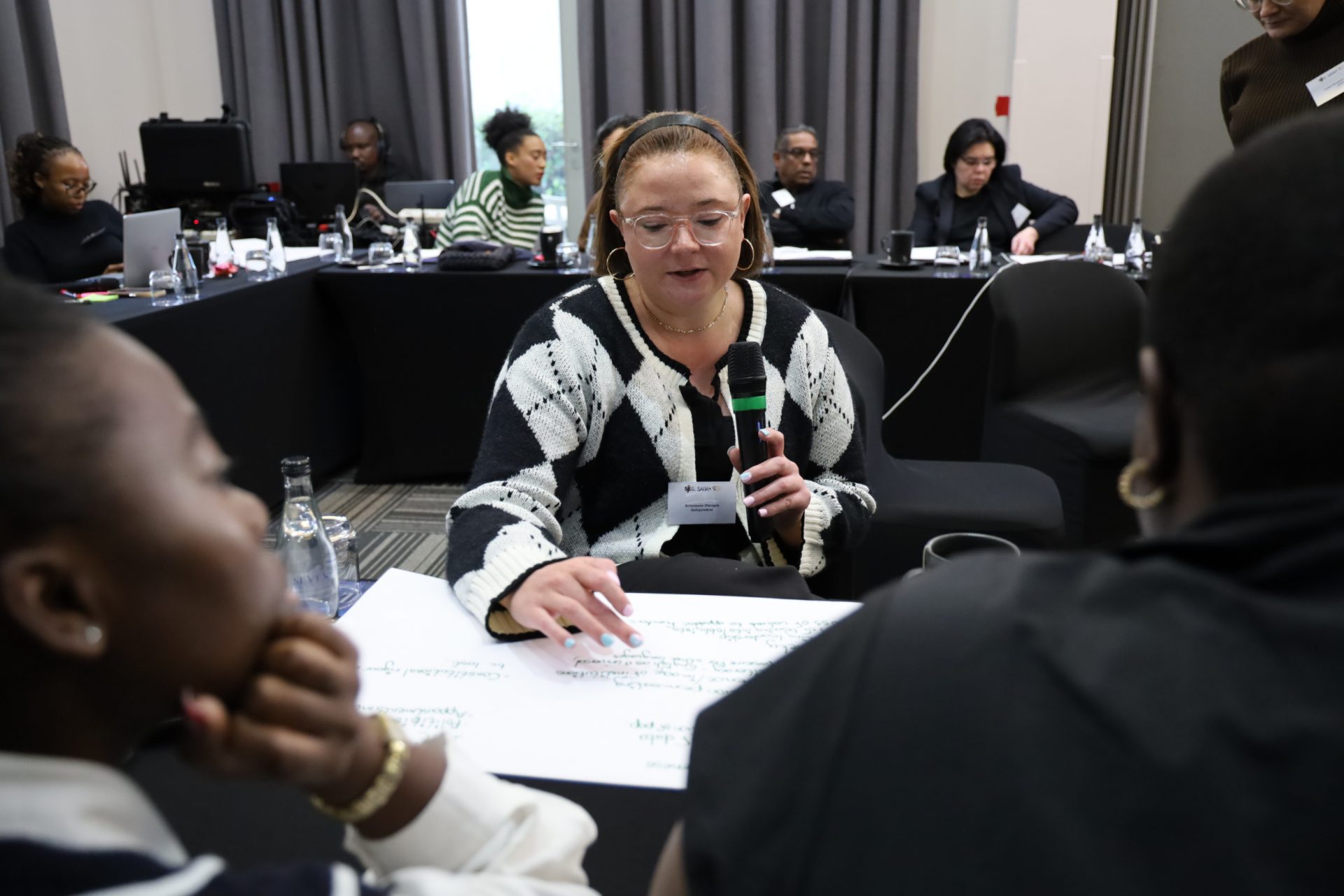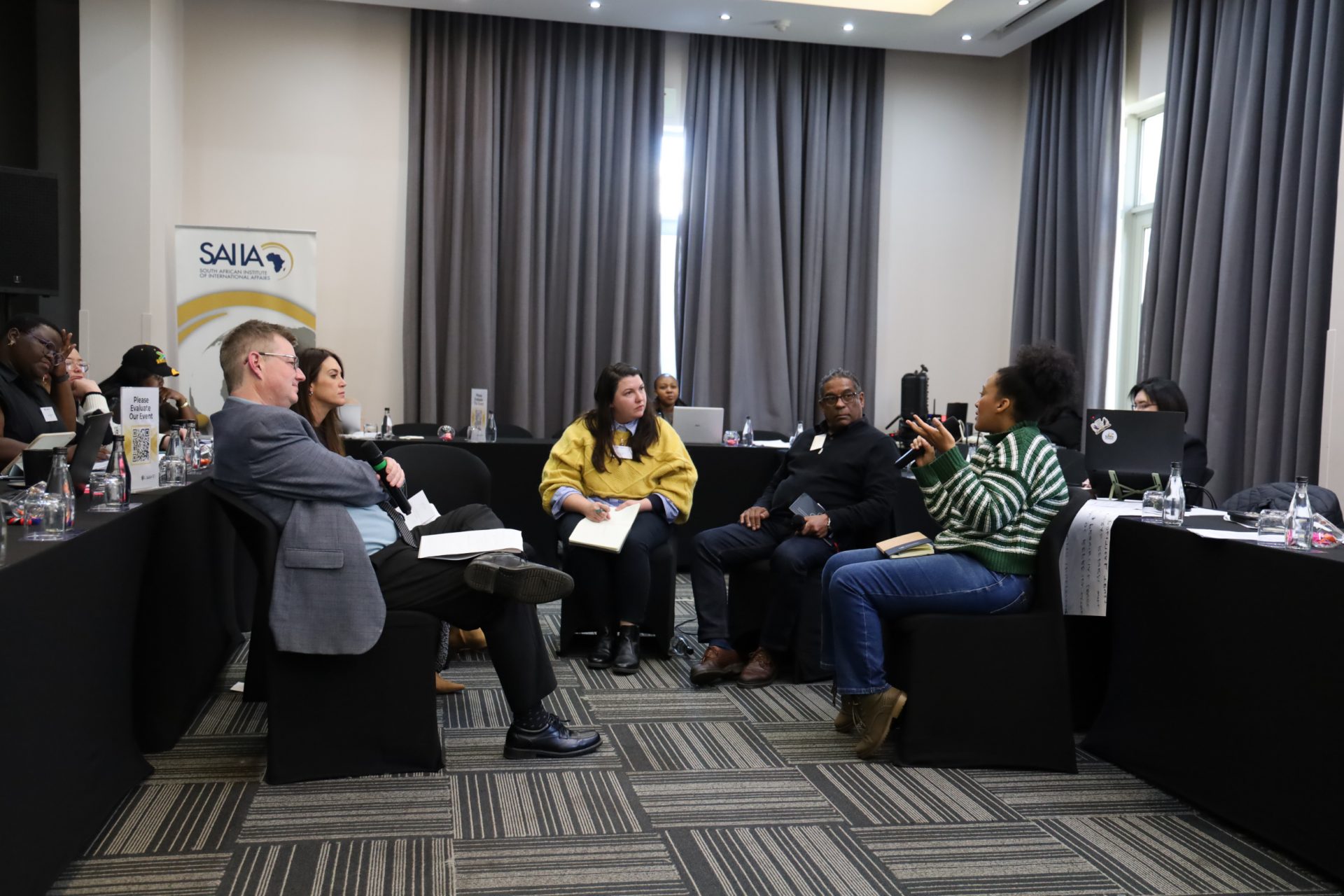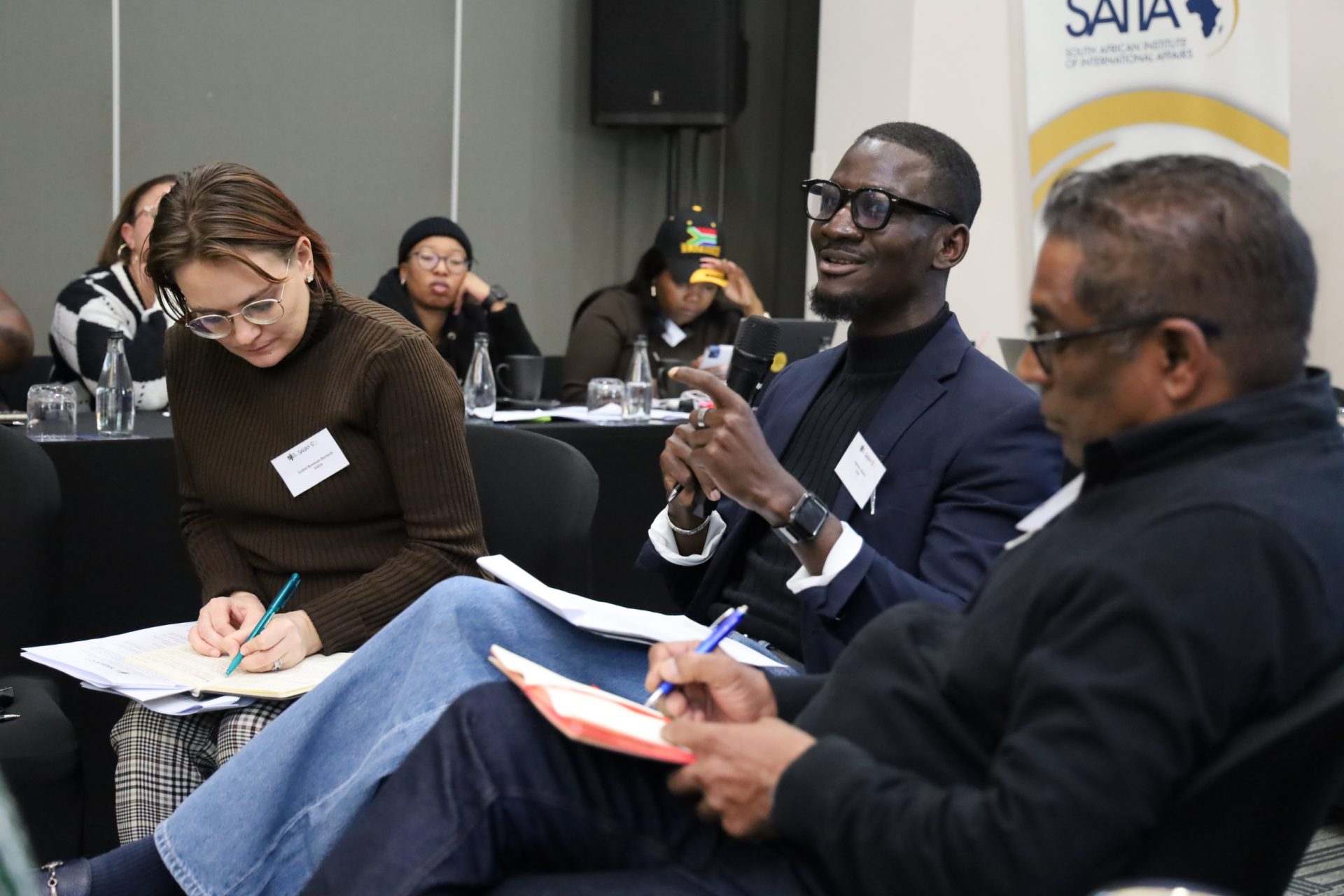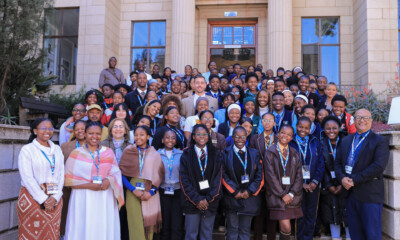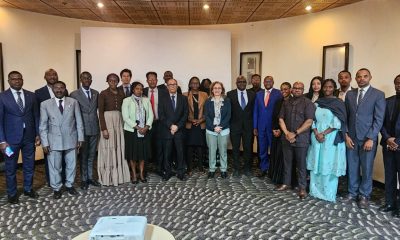

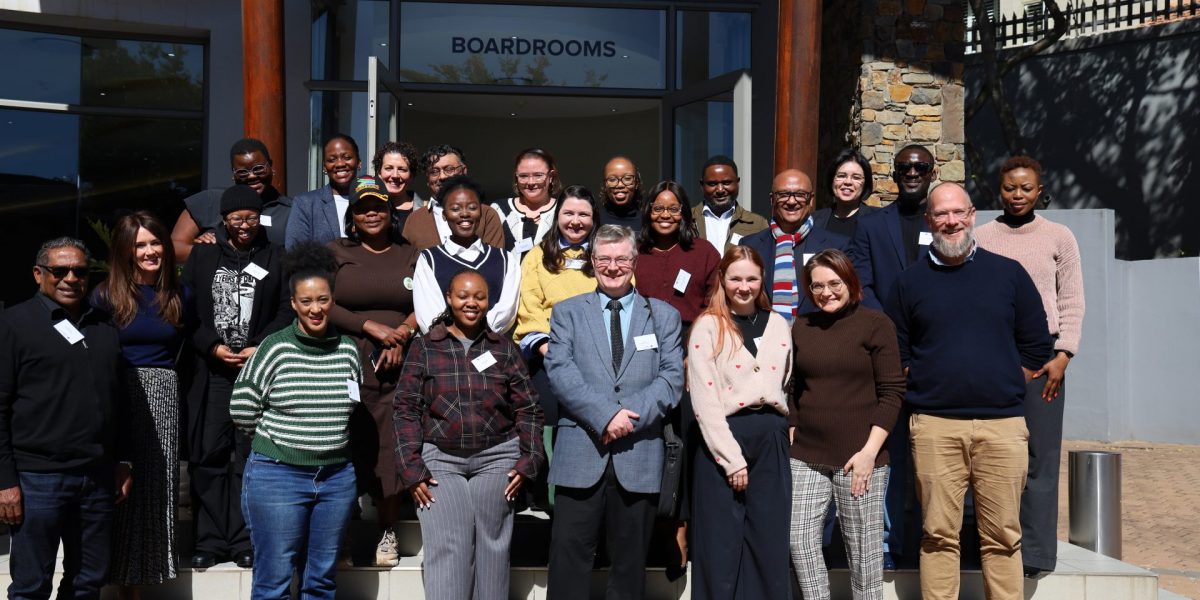
With SAIIA as convenor, this event brought civil society actors, academics and other professionals together to participate in interactive sessions guided by civil society perspectives. Civil society participants from Lesotho, Malawi and Ghana were also present in an online capacity.
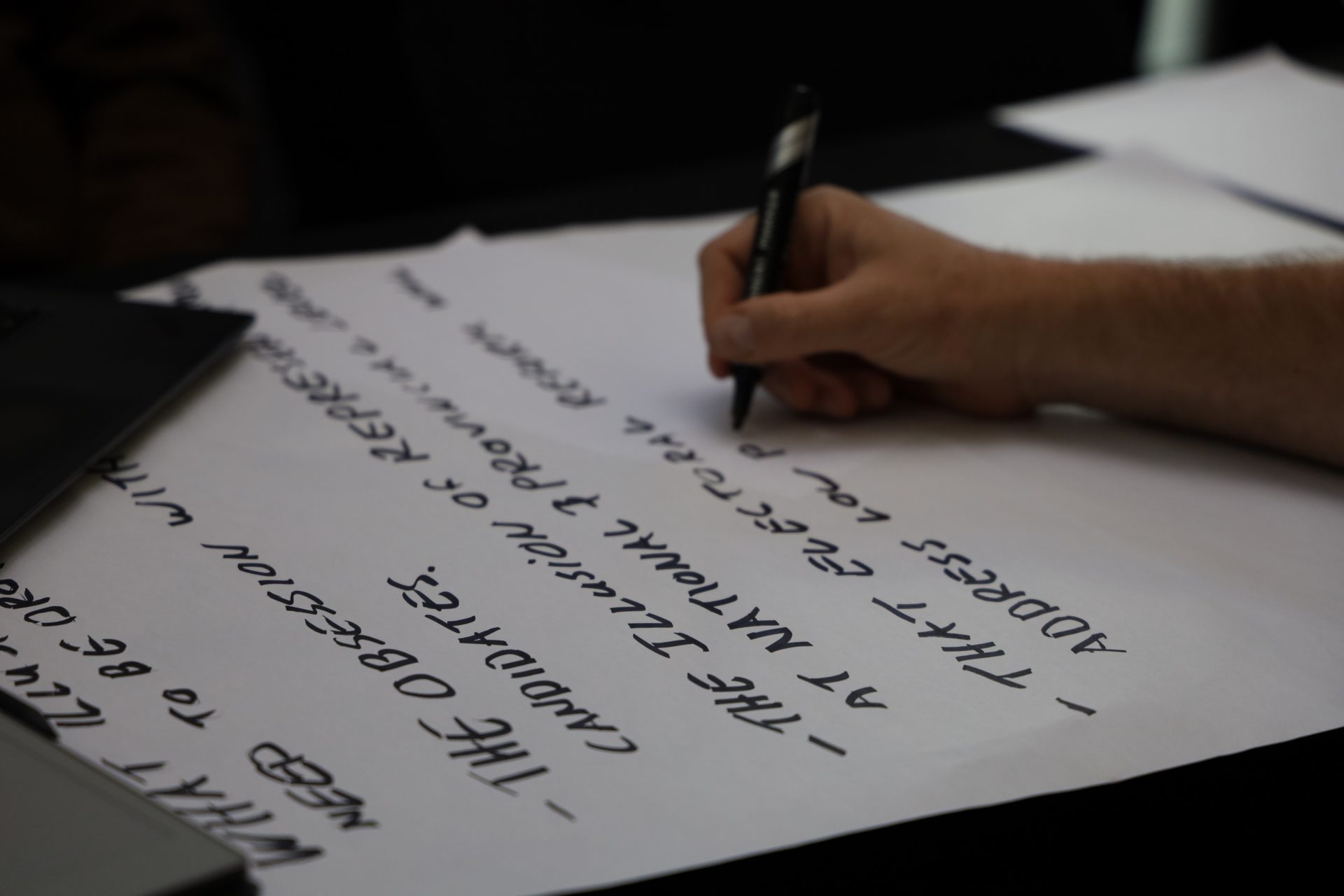
Participants engaged in several critical questions relating to three themes: electoral reform, coalitions and civil society power. They spent some time diagnosing problem areas under each of these themes before ending with a session dedicated to building solutions and suggesting steps for action.
A key element reflected on throughout the conference was that of responsibility, contrasted with accountability. One participant observed that “accountability is a buzzword and responsibility isn’t”. Participants shared that it is often difficult to determine exactly what civil society’s responsibilities are, what their responsibility is to fix and where they should be getting involved. Discussing accountability, particularly current debates about the watering-down of accountability by closed-door, informal coalition agreements, should be done separately from also determining exactly where the responsibility for addressing such shortfalls lies.
South Africa’s democracy is on a trajectory of change, and when working together, civil society and academia will be able to guide that change for the better and in the interests of all South Africans. Cross-country insights shaped through the input of civil society actors from other countries also show that the challenges experienced in South Africa are not much different and that there are always lessons to be learnt.
We thank the Social Justice Initiative (SJI) for their support.