

Emerging Commercial Rivalries in Africa: A View from South Africa
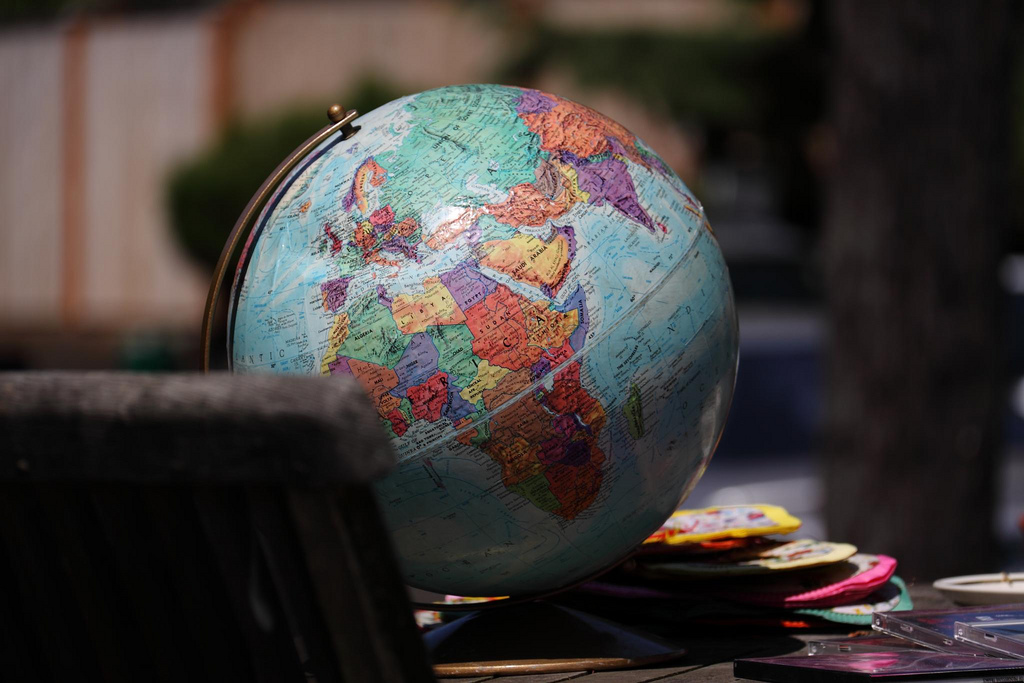
The growing importance of emerging markets such as Brazil, Russia, India and China on the global stage, and their interest in Africa’s resources, has real implications for Africa.
Peer Review should be seen as a Self-Improvement Exercise for SA

In Addis Ababa, Ethiopia on 30 January 2010, President Jacob Zuma was scheduled to report to his peers regarding the implementation of the country’s National Programme of Action (NPoA), at the African Peer Review Mechanism (APRM) Forum meeting that takes place on the fringes of the African Union (AU) Summit.
Will Oil Build or Break the Back of Ghana’s Democracy?

Ghana is about to start producing oil commercially.
Brazil as a Regional Power in Latin America or South America?

This briefing, part history of ideas, part history of international relations, provides historical background to Brazil’s emergence as a regional power.
Will oil build or break Ghana’s democracy?
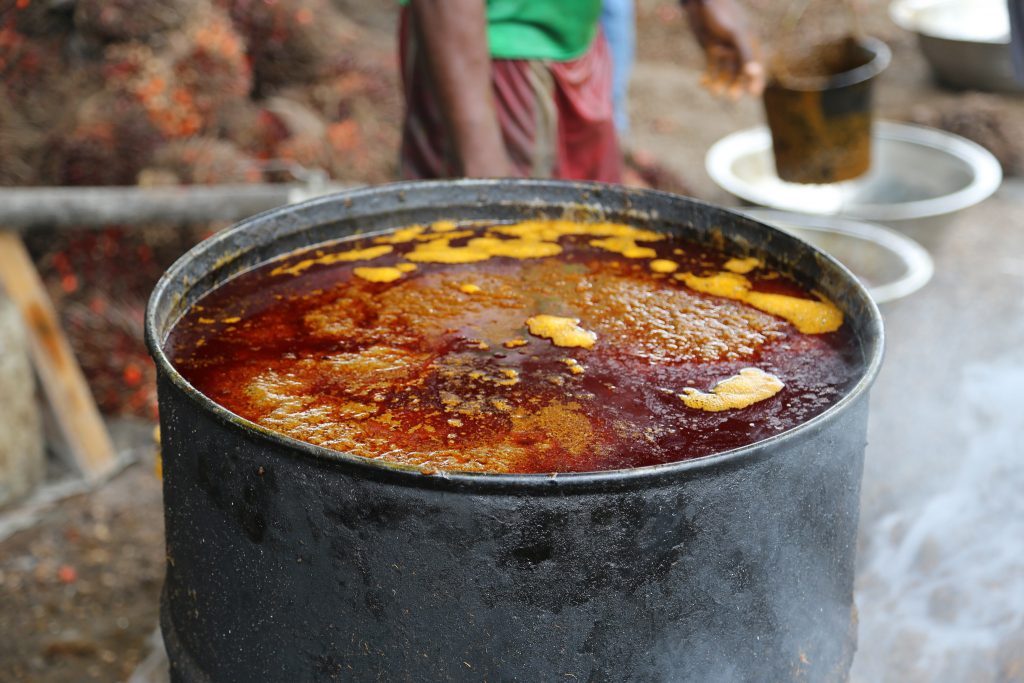
Will commercial oil production (due to begin later this year) build or break the back of Ghana’s democracy?
Off Track? Findings from South Africa’s First APRM Implementation Report
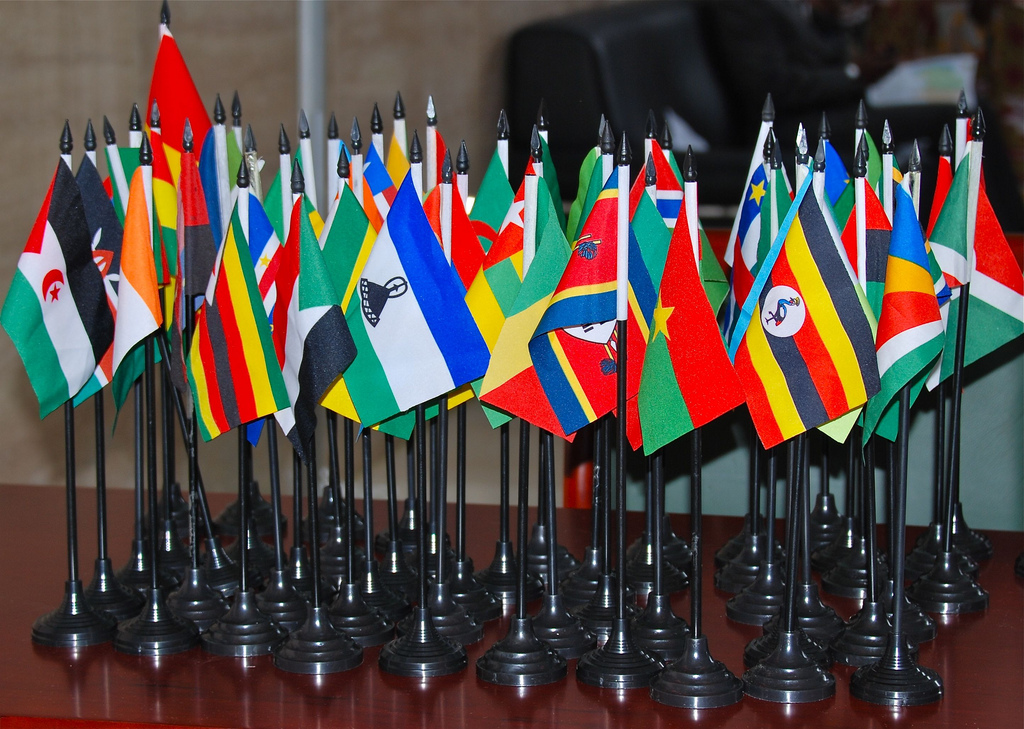
This paper summarises and analyses the First Report on the Implementation of South Africa’s African Peer Review Mechanism Programme of Action (Implementation Report).
Africa Needs its own ‘G-Club’ to Meet the Challenges at Home and Globally
Forming ‘clubs of states’ to resolve common problems is proving an effective global alternative to the multilateral institutions of yesteryear.
Trends in African Governance: South Africa Slipping

Which way is governance going on the African continent and particularly in South Africa?
Nigeria: Media, Civil Society Must Call Govt to Account

For the vast majority of Nigeria’s population of more than 140 million, the African Peer Review Mechanism (APRM) country review report for Nigeria published this week will have significance only if the media and civil society respond strongly to its findings, and if it is able to trigger substantial reforms.
Foreign Policy under Zuma: Change of Style or Substance?
Since the inauguration of President Jacob Zuma’s Cabinet in May 2009, have there been discernable changes in South Africa’s foreign policy?