

BRICS energy cooperation: Why Russia and South Africa still need each other
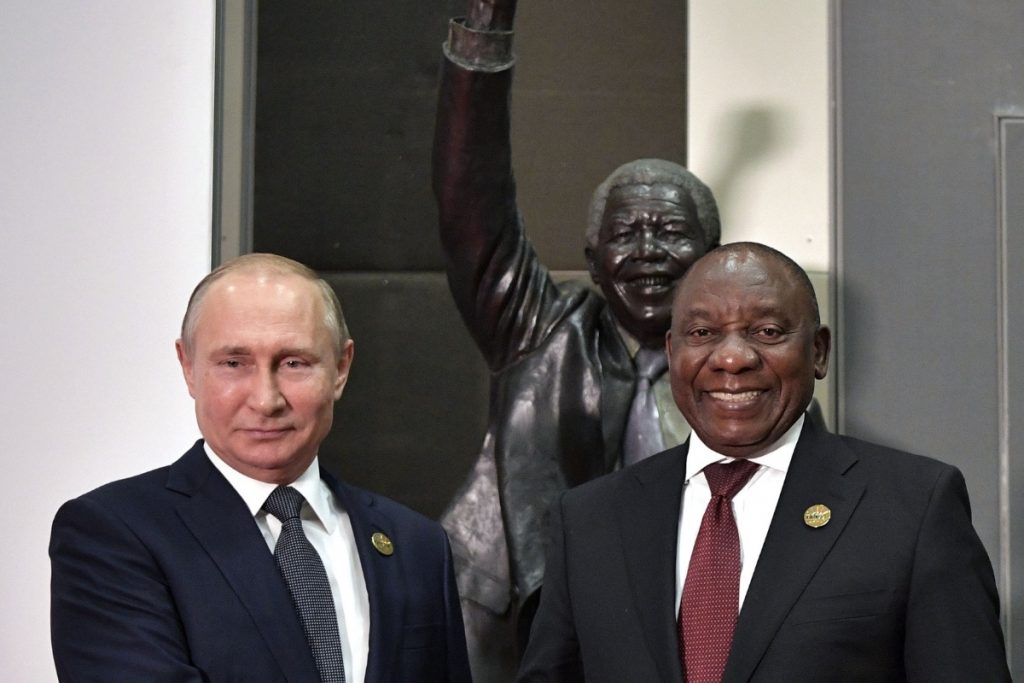
While the controversial $76-billion nuclear energy deal between South Africa and Russia is off the cards, the country — and by extension, the remaining BRICS nations — is still on Russia’s horizon when it comes to energy partnerships. Looking back, the flawed nuclear deal offers lessons for future engagement on this front.
Kagame’s AU reforms will struggle to survive without him

The year 2018 was a frenetic one for Rwandan President Paul Kagame, who doubled as chair of the African Union. He was the driving force behind the reforms process of the continental body and the initiative behind a historic agreement about free trade in Africa. At the end of it all, Kagame was named as the African of the Year at the All Africa Business Leaders Awards and appeared on the cover of Forbes Africa.
Is an iron curtain falling across tech?

The conflict around Huawei may be the first shots in a new cold war.
Technology is useful, but drones alone won’t save Africa’s elephants

Technology has made a tremendous difference in the world, in areas as diverse as health and education, and pretty much everything in between.
Helping Africa help refugees

Refugee management in Africa is hindered by scarce resources, social tensions, and cumbersome regulatory processes. Donors, international and regional organizations, and African governments must intensify their efforts to develop a rights-based refugee-management framework.
China’s relations with Africa and the Arab world: shared trends, different priorities
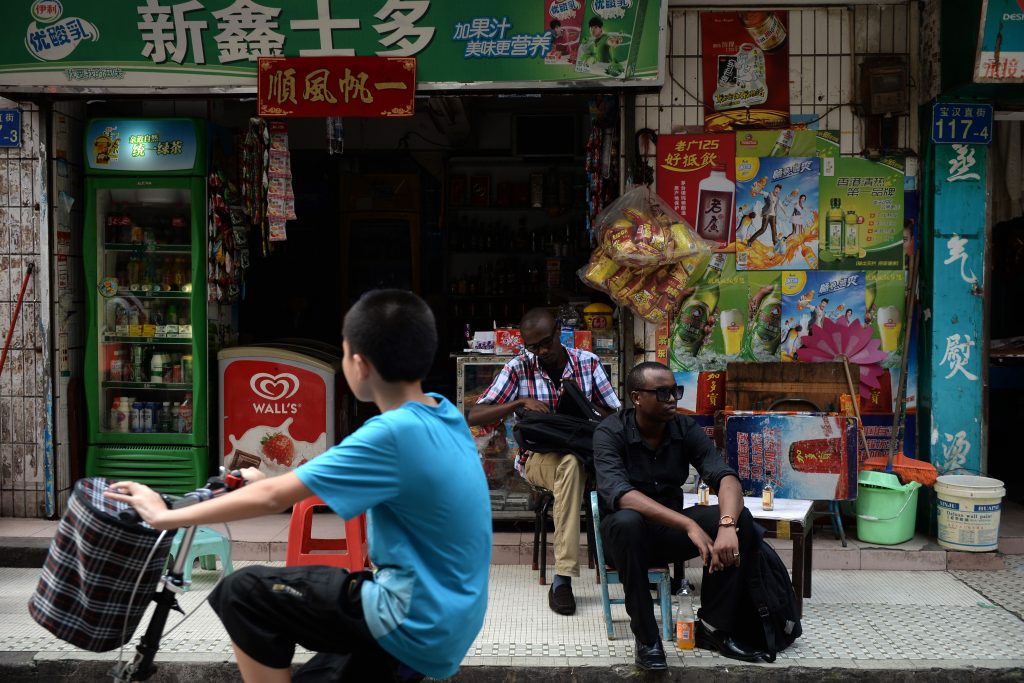
China–Africa relations do not relate to the African continent only, but also inform Chinese foreign policy conduct in other parts of the developing world.
Lesotho in 2019: looking back to find a way forward

Lesotho’s internal strife has long been a headache for SADC.
Justice beyond the International Criminal Court: Towards a regional framework in Africa

The last decade has seen a deterioration in the relationship between the International Criminal Court (ICC) and some African states.
Towards healthy ecosystems in 2019
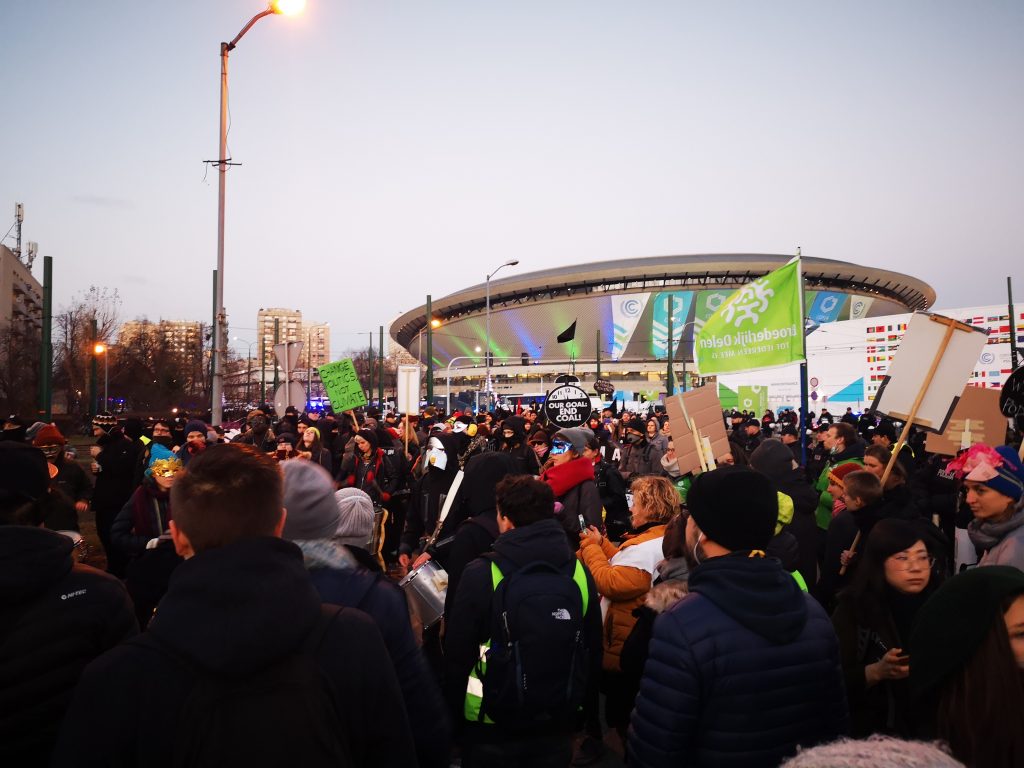
I spent the early part of December 2018 in Katowice, Poland, witnessing the complex discussions on climate change unfold at COP24.
The road ahead for the DRC

Félix Tshisekedi’s apparent victory in the Democratic Republic of Congo’s long-postponed presidential election should be a cause for celebration, at home and throughout the Congolese diaspora. But the transition now facing the DRC is certain to be long, perilous, and frustrating.