
Summary:
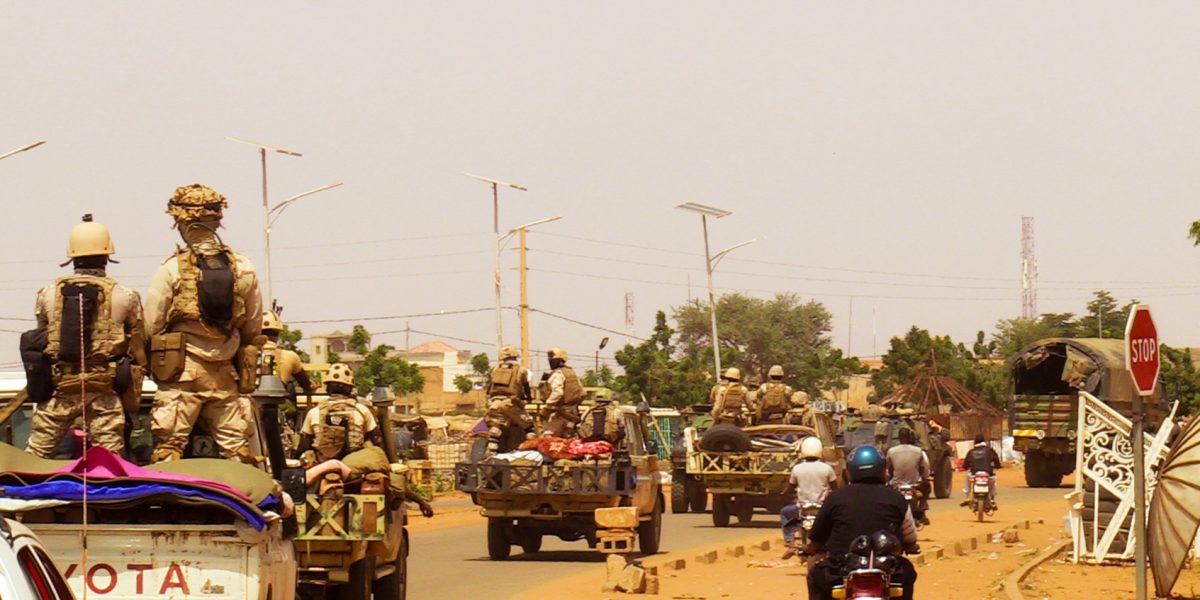
- The Sahel is emblematic of the challenges facing the liberal international order. It has become an area in which the West’s influence is weaker than ever, and actors such as Russia, China and the Gulf states are gaining power at the cost of regional autonomy and stability.
- The future of the Sahel depends on reforming global and regional institutions to be more equitable, linking conditional engagement to governance reforms while investing in social development, climate resilience and genuine sovereignty.
- International leaders, such as the US, members of the EU and African regional powers, must reaffirm their commitment to international peacekeeping and economic cooperation to deter the rise of authoritarianism in conflict zones.
- To rebuild credibility through consistency, Western governments must end the selective application of human rights and democratic norms. In addition, they should engage areas of reform that have long been demanded across Africa, such as debt restructuring and currency sovereignty.
- Rather than isolating the Alliance des États du Sahel, policymakers must find avenues for conditional engagement that link security cooperation to transparency, civilian protections and governance reforms.
- If African nations take the lead in redesigning peacekeeping initiatives, counterterrorism and conflict resolution have the potential to be less about politics and more about responding to local priorities.
- Although the system was not created entirely by them, African leaders do still have a stake in maintaining the liberal international order and should invest in trying to reform it rather than allowing it to be destroyed by authoritarian governments.