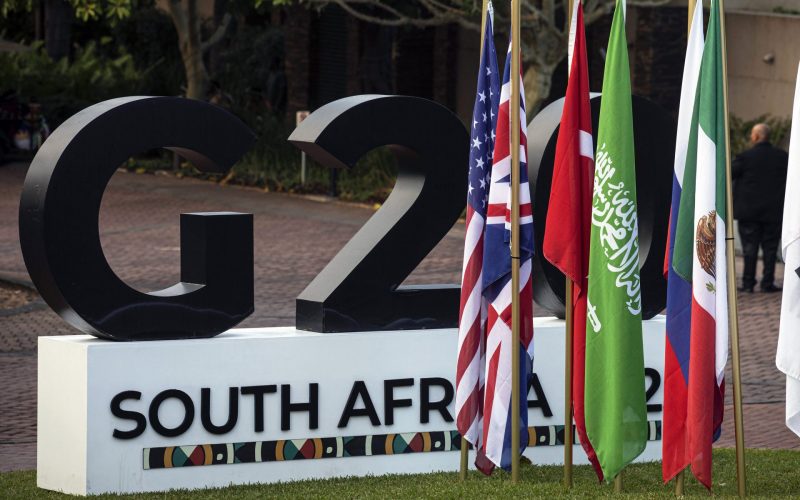
The Johannesburg G20 Summit on 22–23 November 2025 marked a historic moment in global governance. For the first time, the G20 convened on African soil, under South Africa’s presidency and the theme of “Solidarity, Equality, Sustainability.” The symbolism was powerful but the substance was even more striking. Leaders adopted the Johannesburg Declaration, advancing priorities on climate resilience, debt sustainability, food security, and responsible AI governance.
This was no routine communiqué. It reflected four years of Global South stewardship of the G20. Indonesia, India, Brazil, and now South Africa have decisively shifted the agenda. Development priorities once treated as peripheral have moved to the centre. Climate adaptation, debt restructuring, digital inclusion, and equitable growth are now rightly framed as global public goods, essential for collective security and prosperity.
Yet the summit also exposed deep fractures. The US boycotted the meeting, objecting to the framing of climate and development issues. South Africa, backed by many members, insisted the text “cannot be renegotiated.” Other notable absences included China, Argentina and Mexico, represented below the Head of Government level. The declaration was adopted nonetheless, underscoring both the assertiveness of Global South leadership and the fragility of G20 consensus.
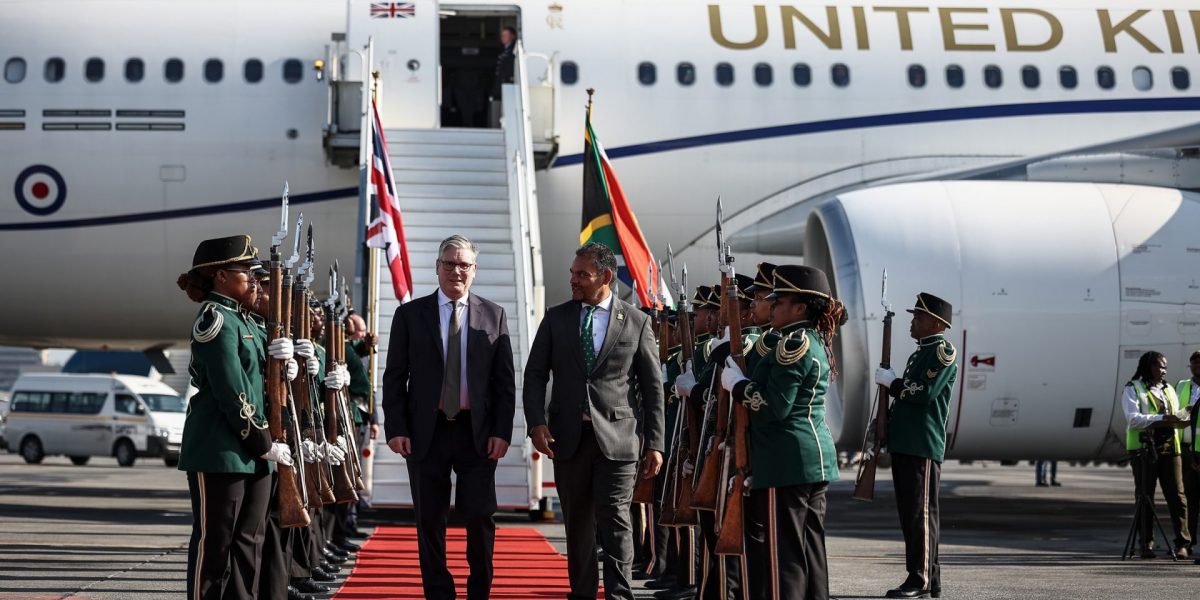
I attended the G20 Think Tanks Summit (T20) in Johannesburg as well as a BRICS Think Tanks side meeting in November 2025. With the G20 Presidency now handed to the US in 2026, uncertainty looms over priorities for the coming year, especially around development and climate. Many in the T20 and BRICS communities were already looking ahead to the UK Presidency in 2027. This constitutes an opportunity for the UK, but not without risks.
Bridging G20 2025 and 2027
For the UK, bridging the gap between South Africa’s chairmanship in 2025 and its own presidency in 2027 is not simply about continuity. It is about stabilising momentum in a polarised global governance environment and positioning the UK as a credible bridge through smart, strategic and nimble diplomacy.
That means protecting the progress achieved in Johannesburg on debt reform, climate adaptation funding, food security, and industrialisation, ensuring these advances are stewarded across presidencies to minimise regression. It also means preserving consensus under strain: with the US absent, consensus was achieved but remains brittle. The UK must negotiate a path defensible in Washington while acceptable to Pretoria, Beijing, New Delhi, Jakarta, Cairo and other capitals. Finally, bridging requires “technicalising” deliverables by establishing multi‑year workstreams on climate finance, debt sustainability, and digital governance, insulating them from political upheavals across presidencies.
Why Bridging Matters
Acting as a bridge offers three clear benefits. First, it reasserts the UK’s diplomatic leadership as a trusted convener and fixer in global diplomacy, allied with the Global South. Second, it provides strategic influence by shaping continuity and aligning G20 priorities with UK strengths in climate, digital governance and finance. Third, it advances national interest: a stable, inclusive G20 supports UK economic security, creates opportunities for UK business, and strengthens UK soft power and credibility as a global leader.
How the UK Can Deliver
The UK has a track record of delicate diplomacy when mobilising across sectors. Government‑to‑government engagement will be essential, sustaining dialogue with both the US and Global South leaders to ensure continuity of priorities. Business‑to‑business cooperation can leverage UK strengths in climate finance, digital innovation and sustainable infrastructure. People‑to‑people connections, through think tanks, universities, and civil society, can keep dialogue inclusive and evidence‑driven. This multipronged approach worked in shaping the climate agenda at COP26 and in global health initiatives, and it can work again in the G20 transition.
Leaning Into UK Strengths
The UK’s comparative advantages map directly onto G20 priorities. It can demonstrate leadership through well-known strengths in drafting, convening, and technical facilitation, not requiring major ODA outlays. Its climate leadership enables it to convene global actors and drive ambitious commitments. Its expertise in digital and AI governance positions it to shape norms around digital sovereignty and AI ethics. Its global health leadership ensures health security remains central to resilience. London’s financial hub provides a platform for dialogue on debt sustainability. The UK’s economic security agenda promotes resilience and supply chain diversification, while its peacebuilding tradition keeps conflict prevention and mediation on the table. By leaning into these strengths, the UK can ensure that bridging the gap is not just about holding the line but about advancing priorities that matter globally and domestically.
Bridging is not altruism; it is a smart strategy.
Reading Johannesburg Clearly
Johannesburg underscored three realities. First, consensus is possible but far from ideal without US participation. Leaders adopted a declaration focused on climate, development financing, and inclusion, but the absence of a major member underscored fragility. Second, Africa’s centrality is no longer symbolic. The agenda emphasised industrialisation, equitable energy transitions, critical minerals, food security, and resilient supply chains with explicit investment pathways. Third, technology governance has matured. Responsible AI featured alongside financial stability and disaster resilience, indicating an appetite for norms that link innovation with safeguards.
The counterpoint is controversy: a prominent G20 member absent, diplomatic strain visible, and a declaration crafted without a traditional broker. For the UK, that is exactly the space to occupy. To be a broker by invitation, not imposition.
The UK Has to Act Now
Planning, convening, and investing in relationships for 2027 must happen now. The risks are real – polarisation, regression, fragmentation. But the opportunity is greater: to demonstrate UK leadership, safeguard global public goods, and shape a more inclusive and resilient multilateral system.
This article was first published on the London School of Economics and Political Science website.