
Summary
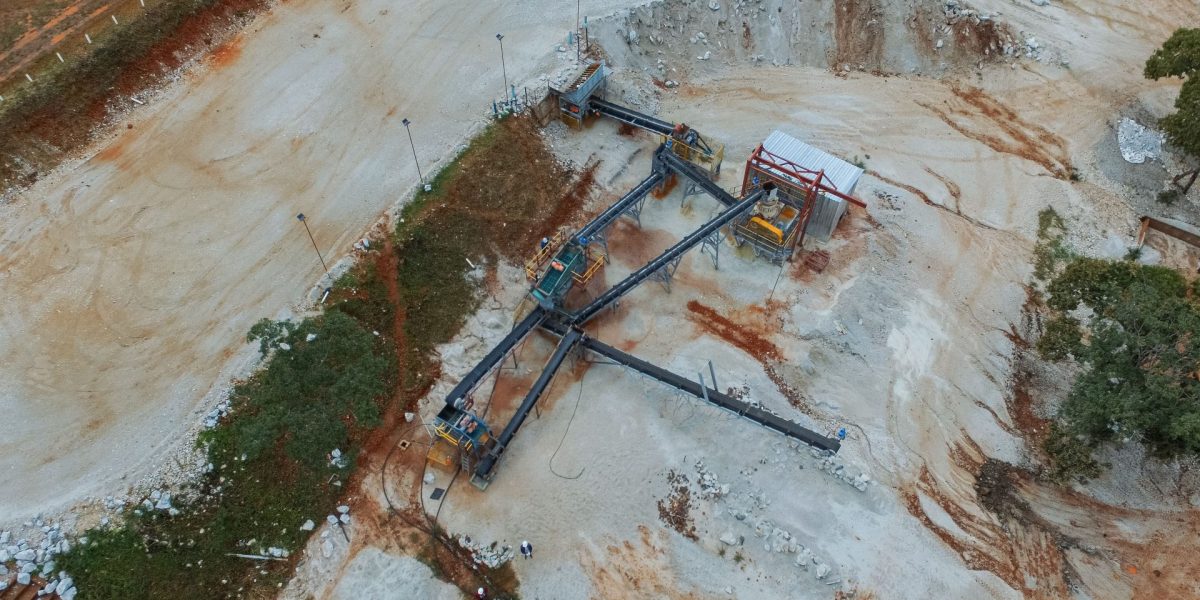
- Chinese investments in Zimbabwe’s mining and energy sectors have had identifiable economic value for the Zimbabwean economy. The recent surge in Chinese investments in the country’s lithium sector can be attributed to the Zimbabwean government’s decision to ban exports of unprocessed lithium ore to encourage greater domestic value addition.
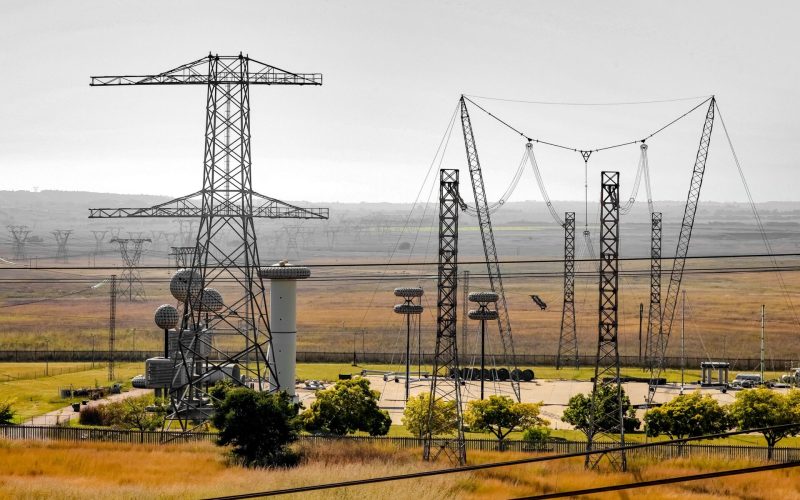
- While making substantial investments in Zimbabwe’s mining sector, Chinese companies are also heavily investing in the country’s energy infrastructure in order to ensure adequate energy availability for their mining projects. These integrated mining-energy investments are economically important in developing Zimbabwe’s mining industry in general and its lithium sector in particular.
- Despite the macroeconomic benefits accrued from integrated mining-energy investments, there are concerns about how these projects are implemented. Issues include inadequate community consultation, significant environmental degradation and limited socio-economic value and/or opportunities for local communities.
- There is a risk that this model of integrated mining-energy investment can perpetuate a new version of the pit-to-port model of resource extraction in Africa, with only minor adjustments in terms of basic value addition to meet regulatory requirements.
- China’s investments in Zimbabwe’s mining, beneficiation and energy sectors show that the strategic pursuit of integrated mining-energy investments in resource-rich, energy-poor African countries can promote greater domestic value addition. However, this needs to be accompanied by governmental regulations that protect affected communities and ensures that the resultant economic benefits are effectively localised.