
Summary:
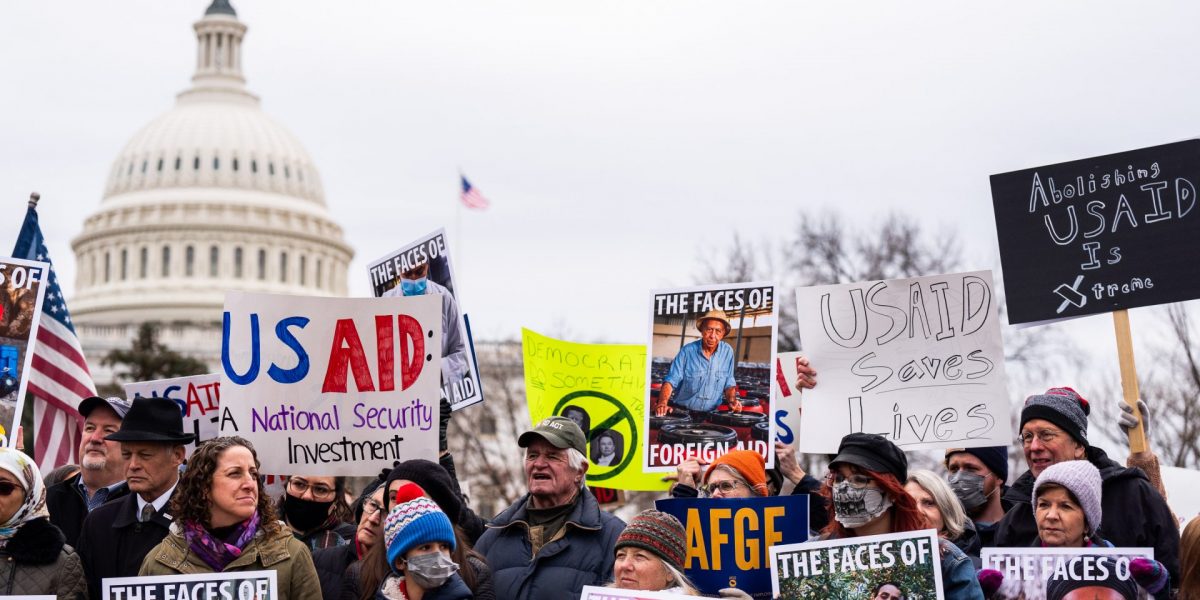
- The closure of the US Agency for International Development (USAID) has had far-reaching effects across a range of humanitarian and development activities.
- This report examines the current and likely future effects of the agency’s closure on journalism in Africa. It has a particular focus on reporting in authoritarian contexts, with South Sudan as one of the major historical recipients of USAID-funded media assistance.
- It argues that the short-term implications for the operation of funding-dependent newsrooms have been catastrophic.
- Evidence suggests that alternative funders are unwilling or unable to fill the financial gap that USAID has left behind and that we are seeing an increasing degradation in the capacity both of newsrooms and of the broader civil society ecosystems that protected their work.
- The likely longer-term effects include increasing risks of state pressure on journalistic autonomy, increasing commercial rather than public service reporting and the juniorisation and deprofessionalisation of newsrooms.