
Summary:
- Mark Carney’s January 2026 Davos address calls on middle powers to act as agents of a reconfigured international order. Still, it does not specify whether it addresses the category’s conventional Western core or Global South states whose relationship to the rules-based order is structurally different.
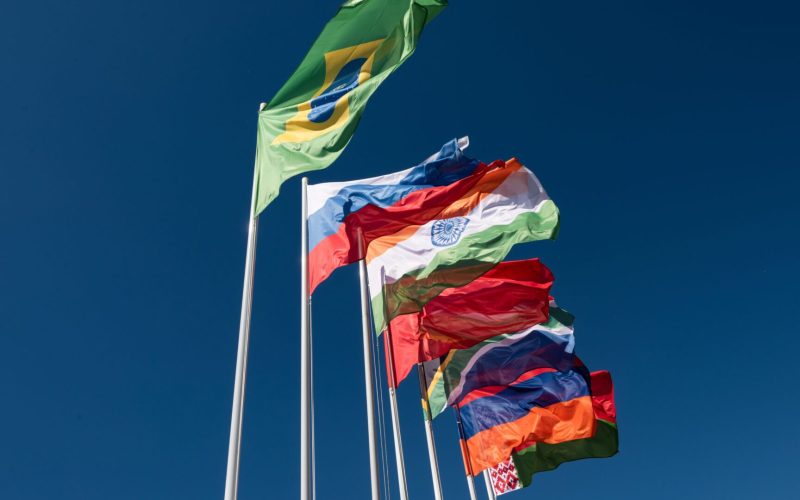
- Brazil, South Africa, and Indonesia occupy positions that the conventional middle power category does not adequately capture: a global player, a continental pivot with normative ambition, and an Association of Southeast Asian Nations (ASEAN) pivot and arena-broker.
- These states exercise forms of influence that the category does not register: leverage over strategic resources, agenda-setting through consecutive G20 presidencies outside the G7 core, and norm entrepreneurship from outside alliance frameworks.
- The conceptual vocabulary presented as new, including strategic autonomy and variable geometry, already exists in longer traditions of thought and practice, among them Latin American autonomy theory, Bandung, and the Non-Aligned Movement.
- Coalition-building based on an unexamined middle power category risks producing partnerships of misrecognition, in which the same terms conceal different expectations and commitments.
- Cooperation among these states is strongest around specific issues where interests converge, including Bretton Woods reform, critical minerals governance and beneficiation, climate finance, and G20 troika coordination, rather than around a shared identity.