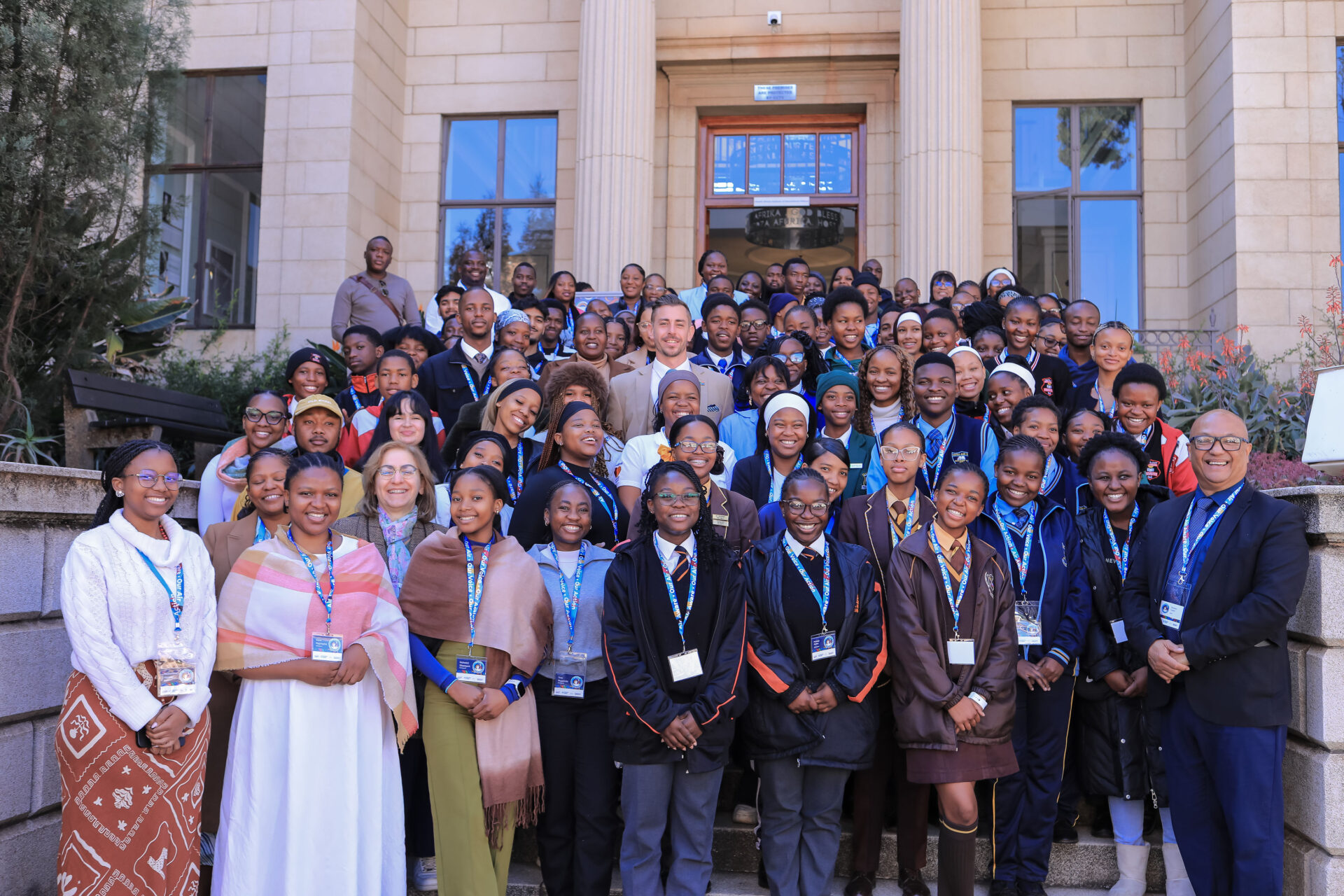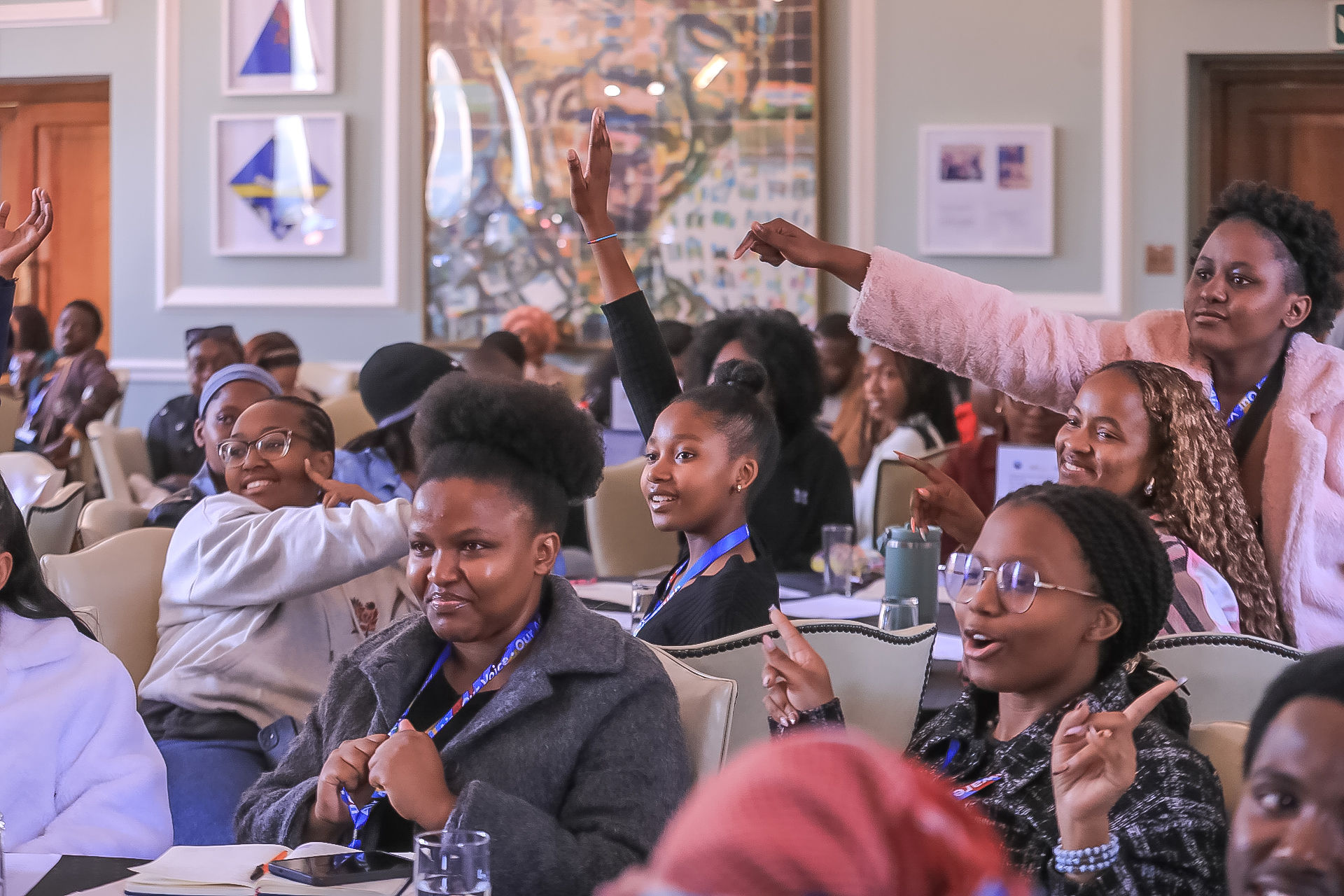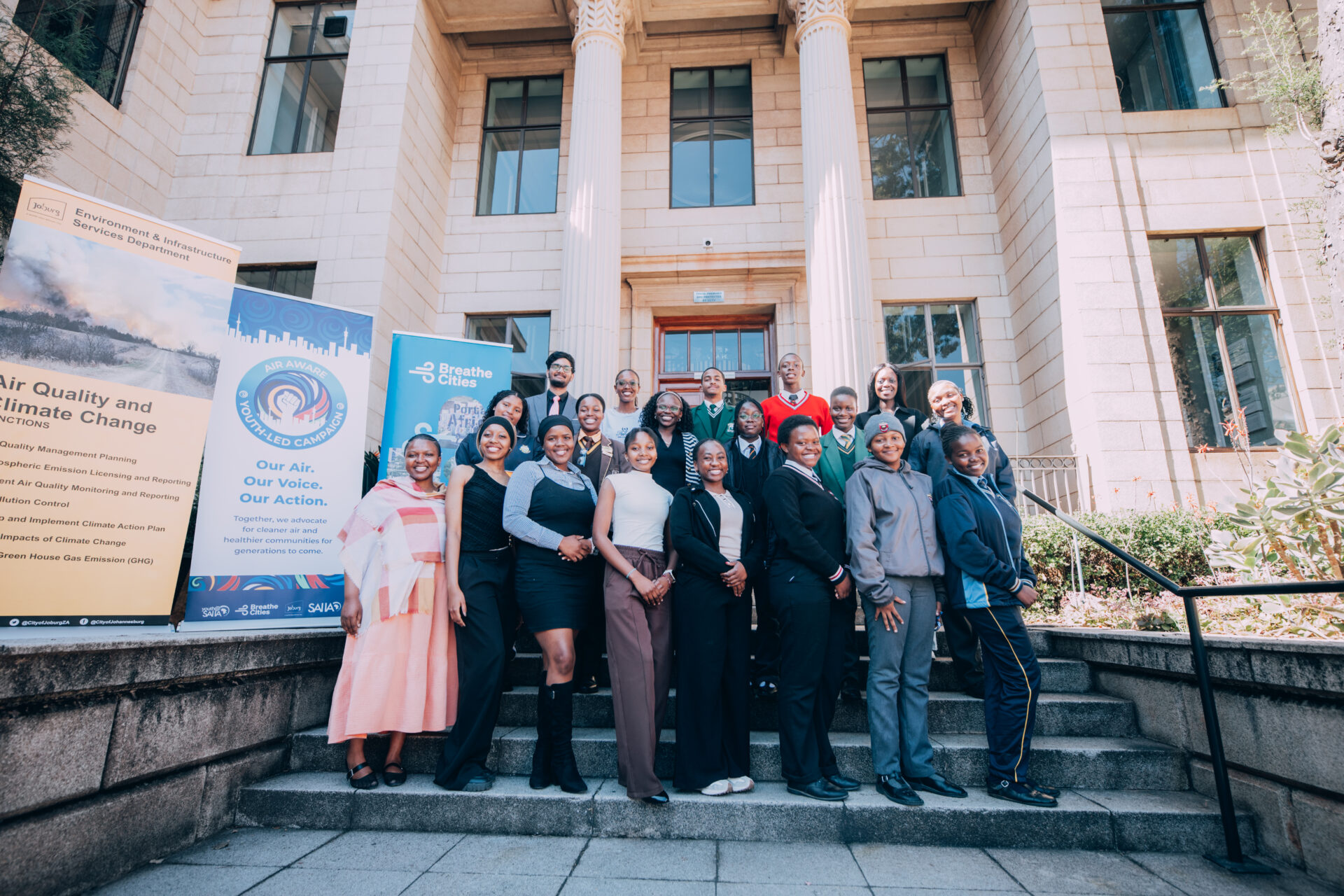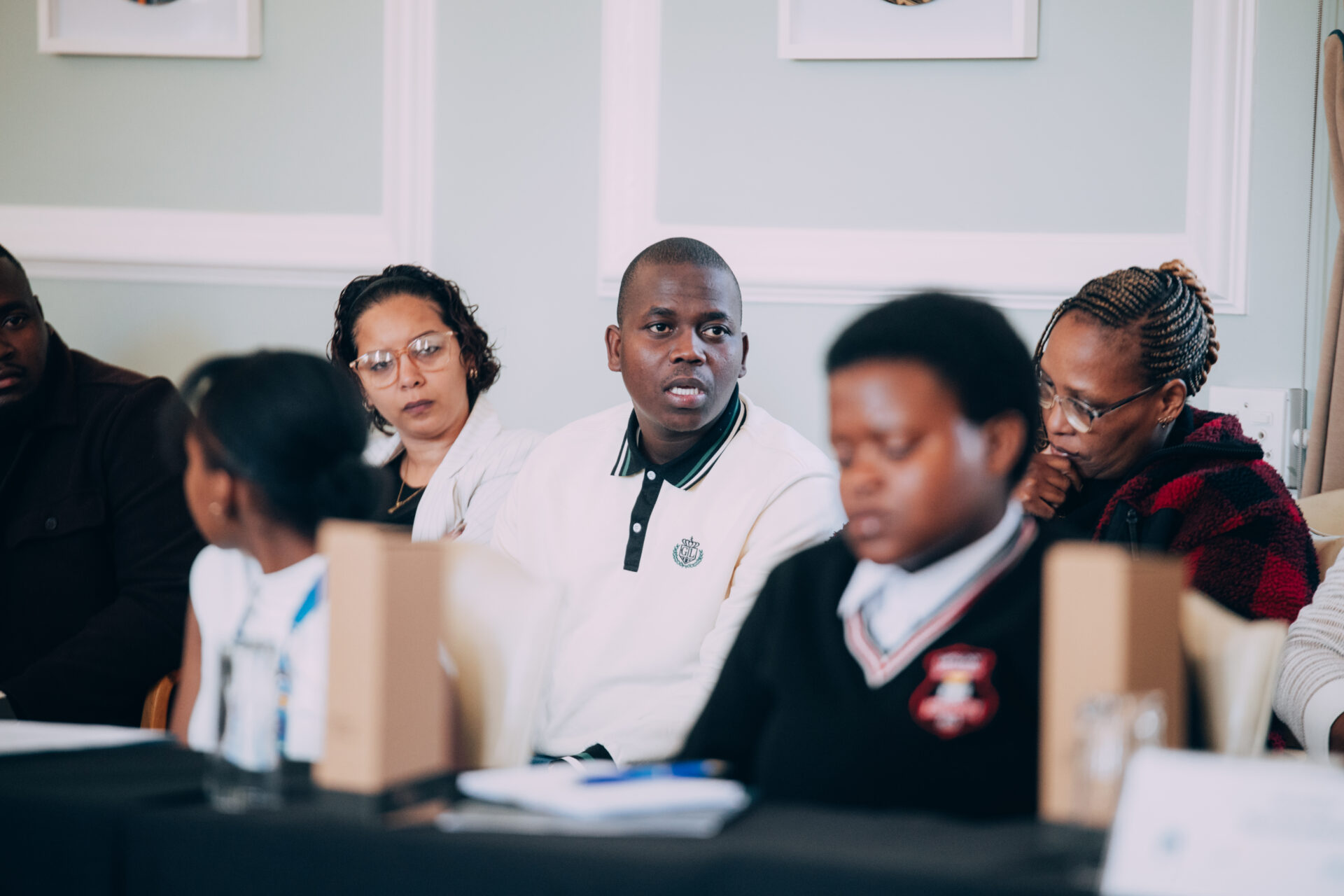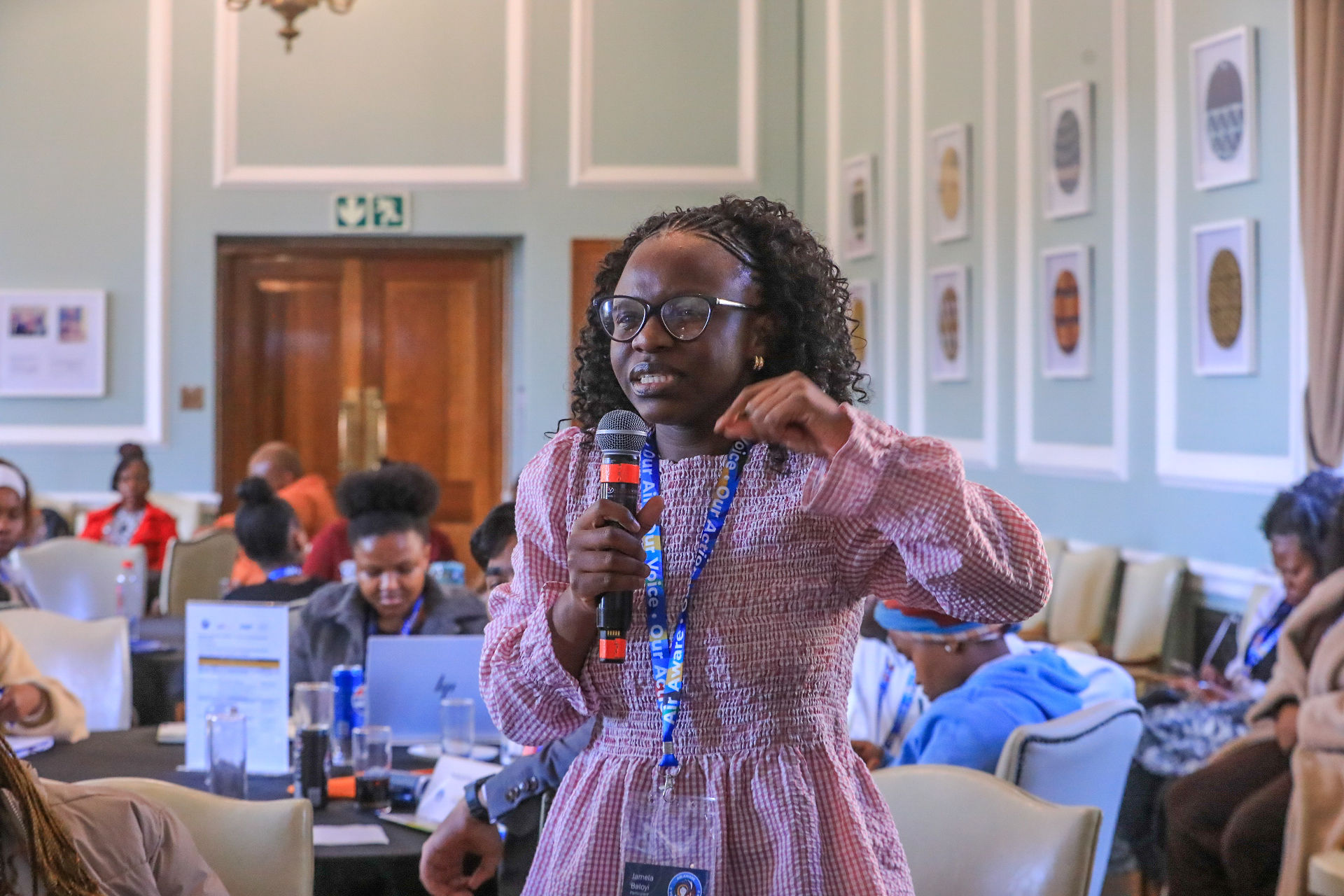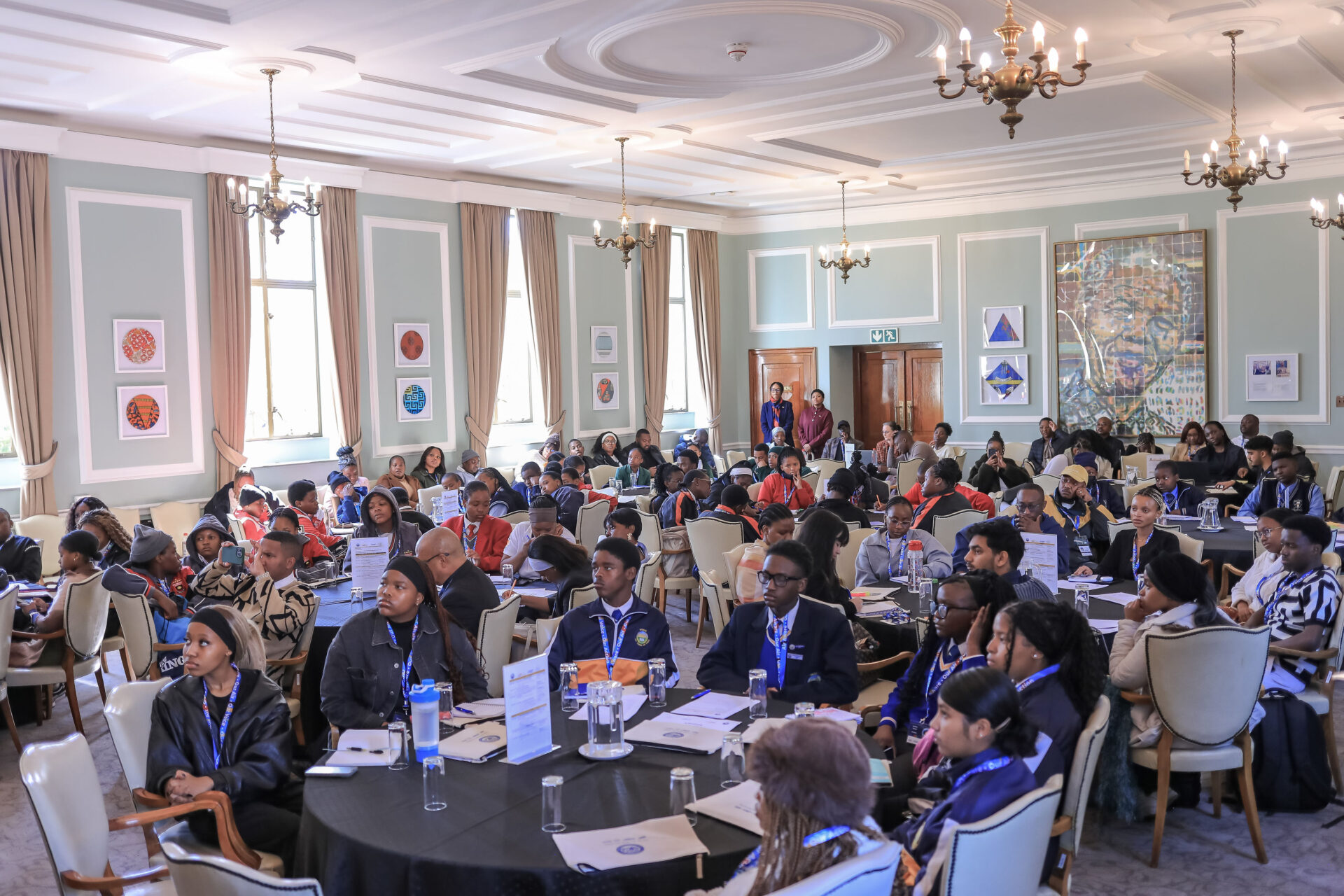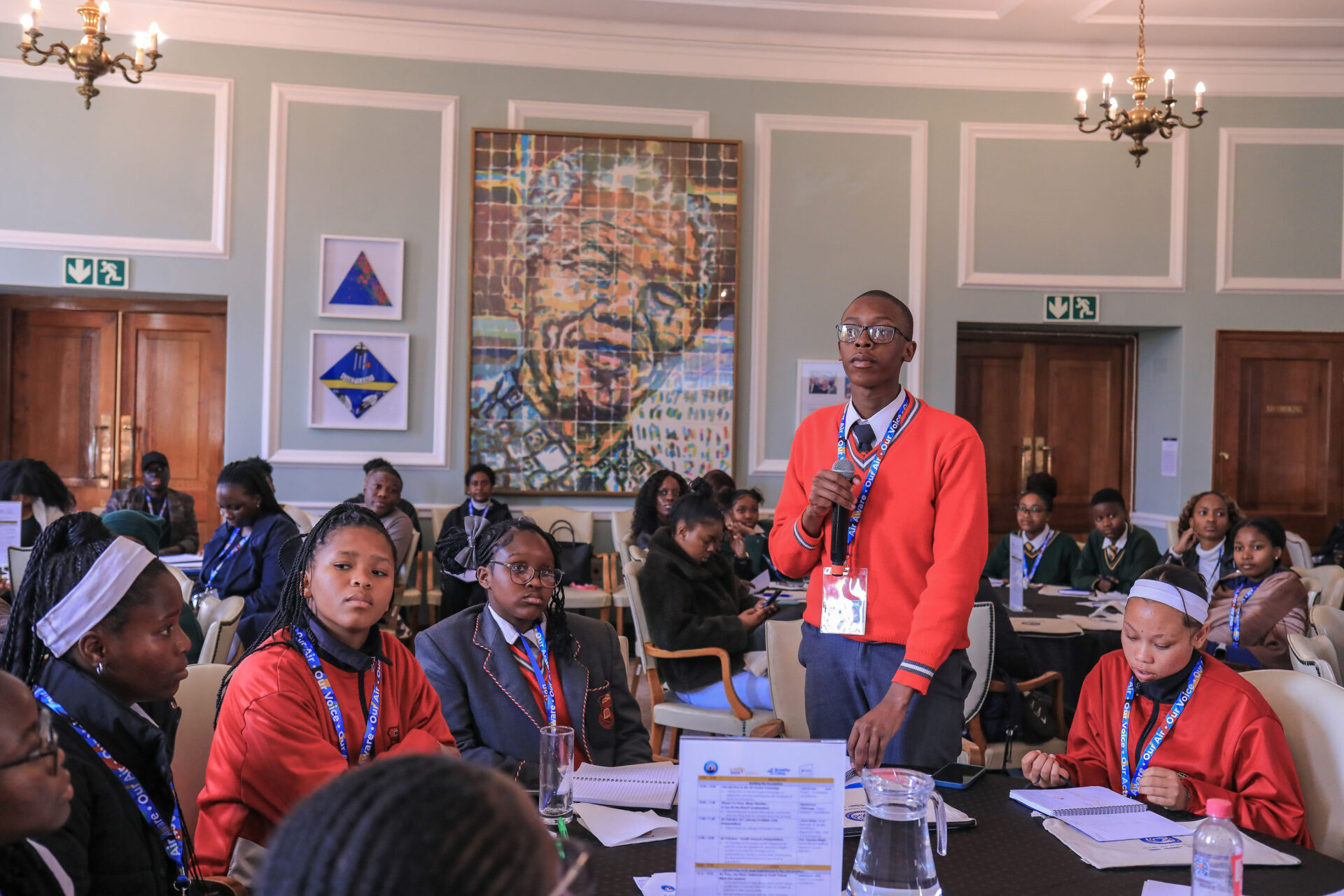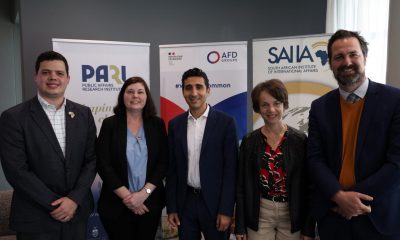

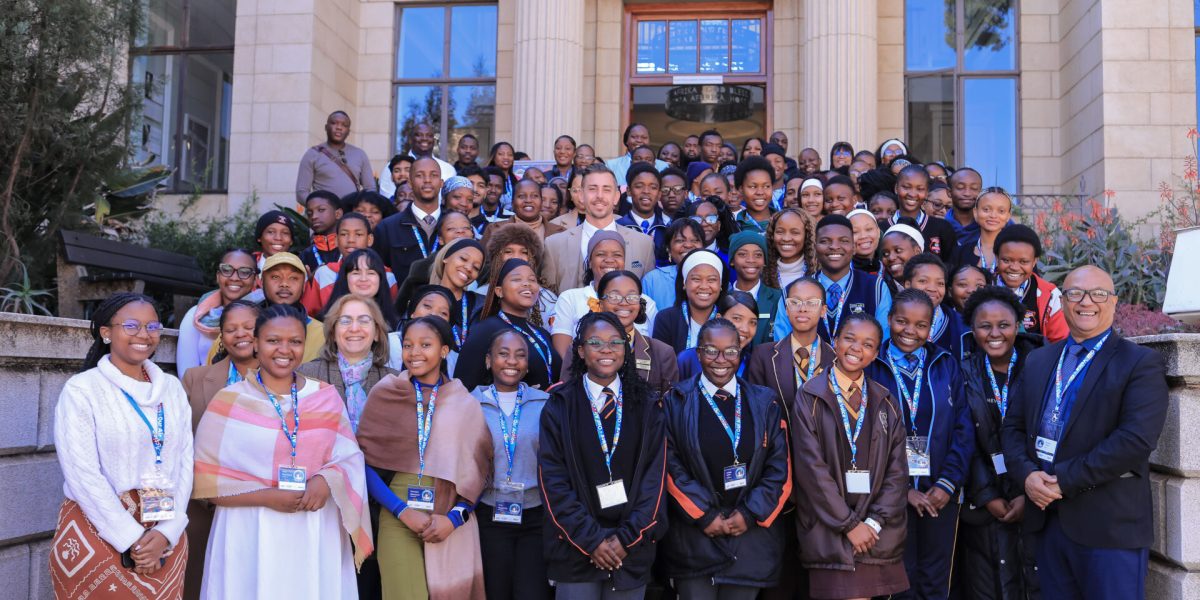
When over 220 young people gathered in Johannesburg for the Air Aware: Youth-Led Conference on Air Pollution Policy & Implementation in February 2026, they did more than discuss the challenges of addressing air pollution in Johannesburg. They brought their lived experiences, concerns and ideas to the policy conversation and formally handed over the Youth Statement on Air Pollution in Johannesburg to the City of Johannesburg.
The handover marked an important milestone for the Air Aware campaign. However, it was not the end of the journey. It raised an equally important question: How do we move from a Youth Statement to meaningful, youth-led local clean-air action?
The answer has been to invest in the young people themselves – equipping them with the knowledge, skills, confidence and networks needed to turn their priorities into action. This past August, Youth@SAIIA, through the Air Aware: Breathe Joburg Youth-Led Air Pollution Awareness Campaign, began the next phase of this journey through two interconnected capacity-building and training workshops: the Air Aware: Youth Action Accelerator – Advocacy & Campaign Leadership Workshop Series and the Air Aware: Youth Air Champions Workshop.
Together, the workshops represented a continuation and a re-launch of the Air Aware campaign after the conference, shifting the campaign from dialogue and advocacy towards implementation, leadership and sustained youth participation.
From a Youth Statement to a Youth Action Framework
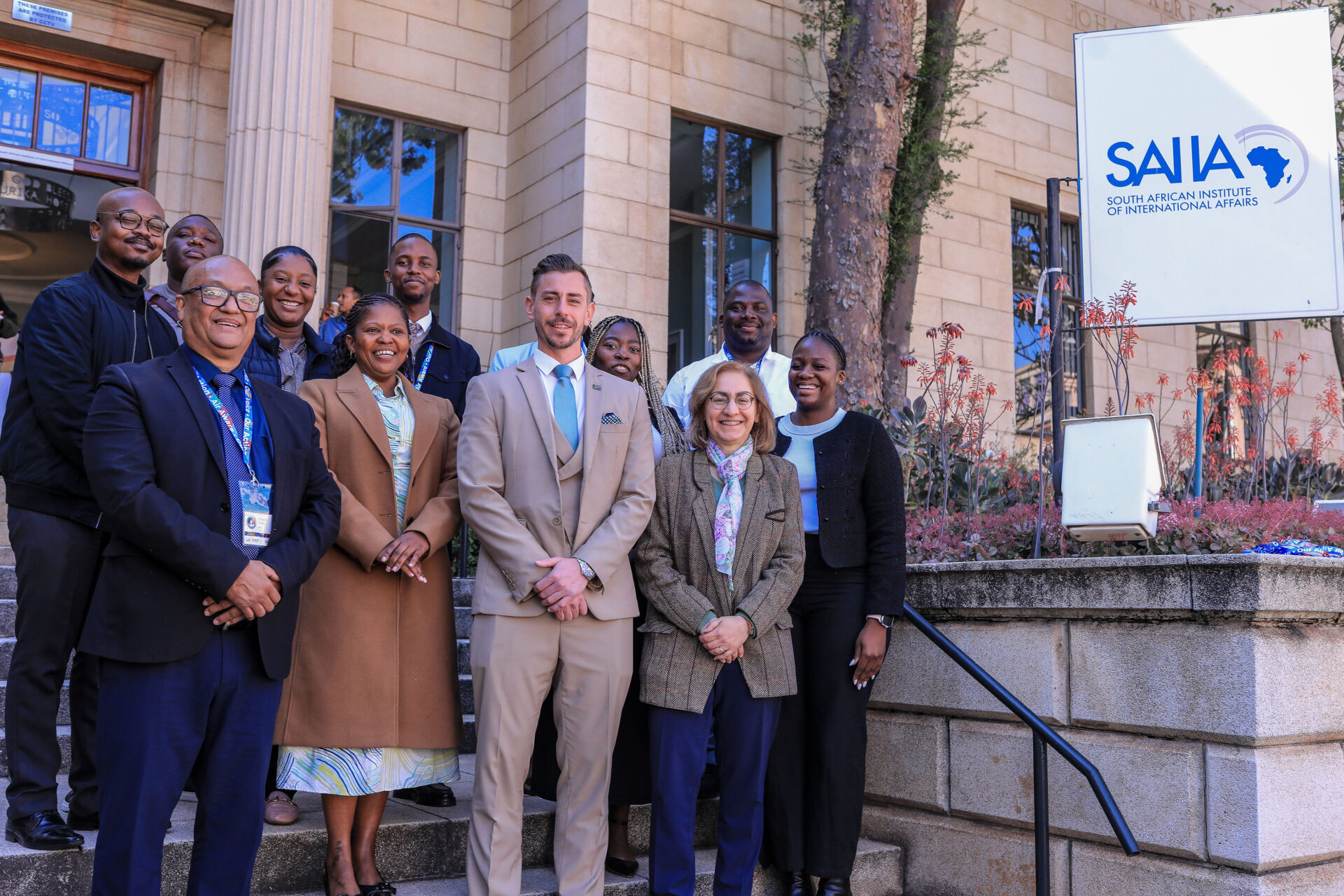
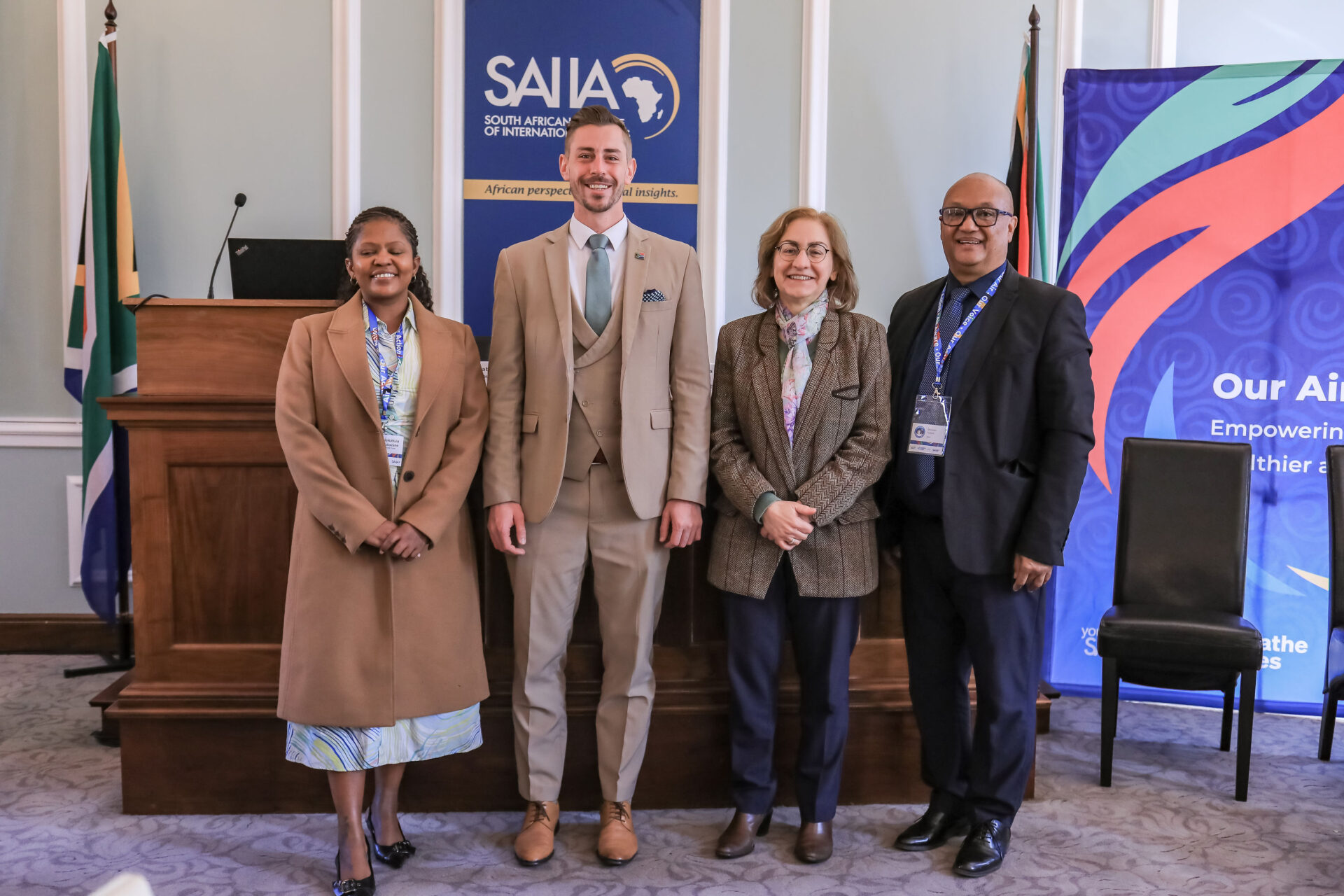
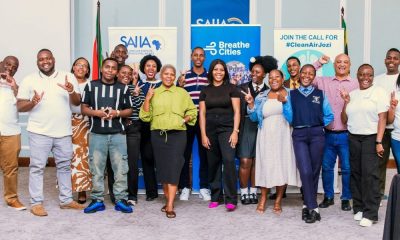
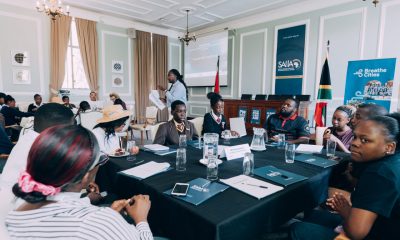
The first workshop, the Air Aware: Youth Action Accelerator, took place from 4 – 6 August 2026 at the South African Institute of International Affairs (SAIIA) at Wits University in Johannesburg.
Designed as the first workshop in the Advocacy & Campaign Leadership Workshop Series, the three-day programme brought together young people from Johannesburg’s air pollution hotspots. It sought to recruit, equip and prepare a new cohort of Youth Air Champions (YAC) to tackle air pollution in their schools and communities.
The Accelerator was deliberately structured around a discover-empower-mobilise journey.
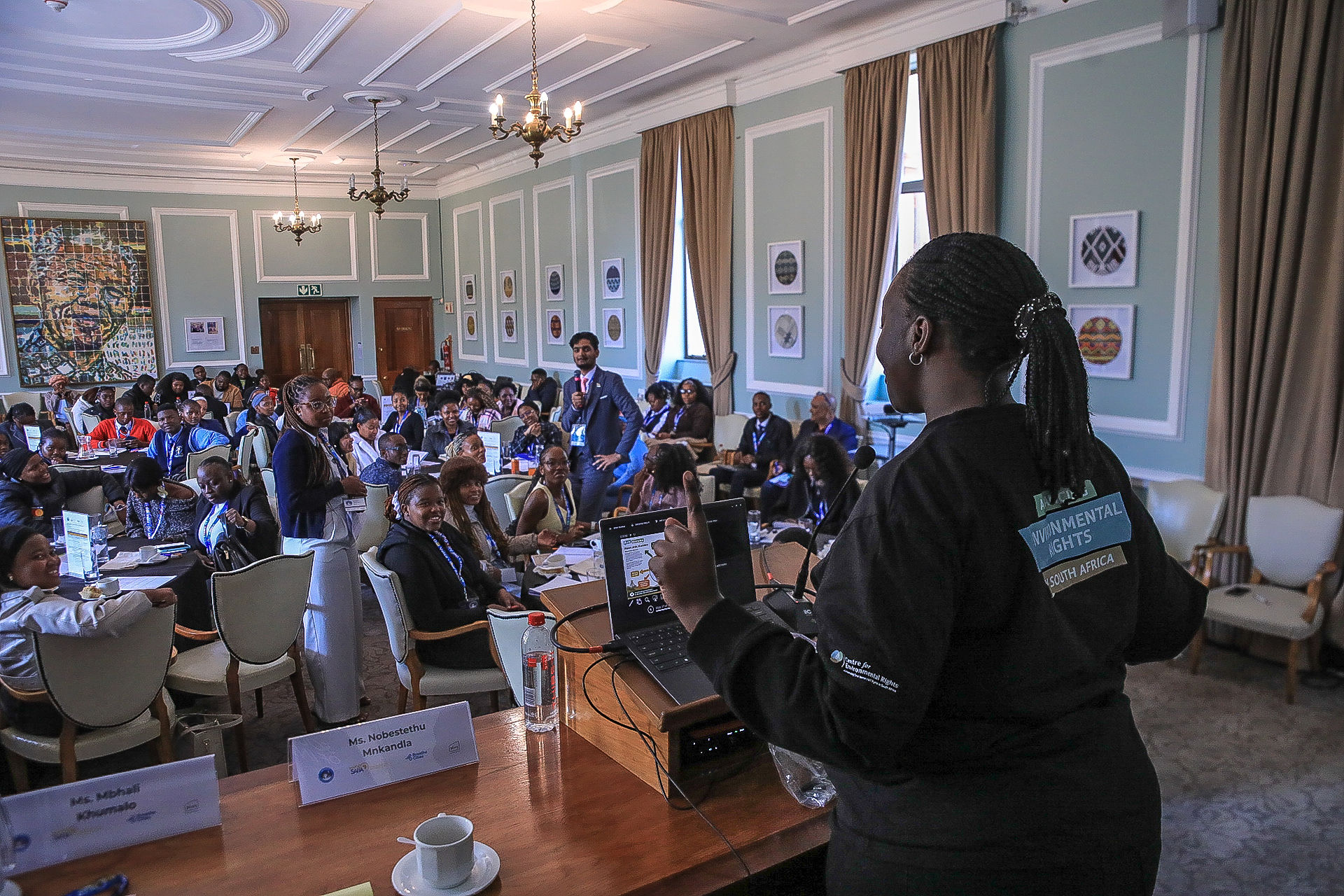
On the first day of the program, the youth participants were exposed to the connection between the science of air pollution and their own lived experiences. They shared what they had seen, felt and experienced in communities affected by air pollution and the impact on their health. This helped establish a critical link among science, lived experience, community impacts and the crucial need for evidence-based youth advocacy to address the pressing air pollution issue in Johannesburg.
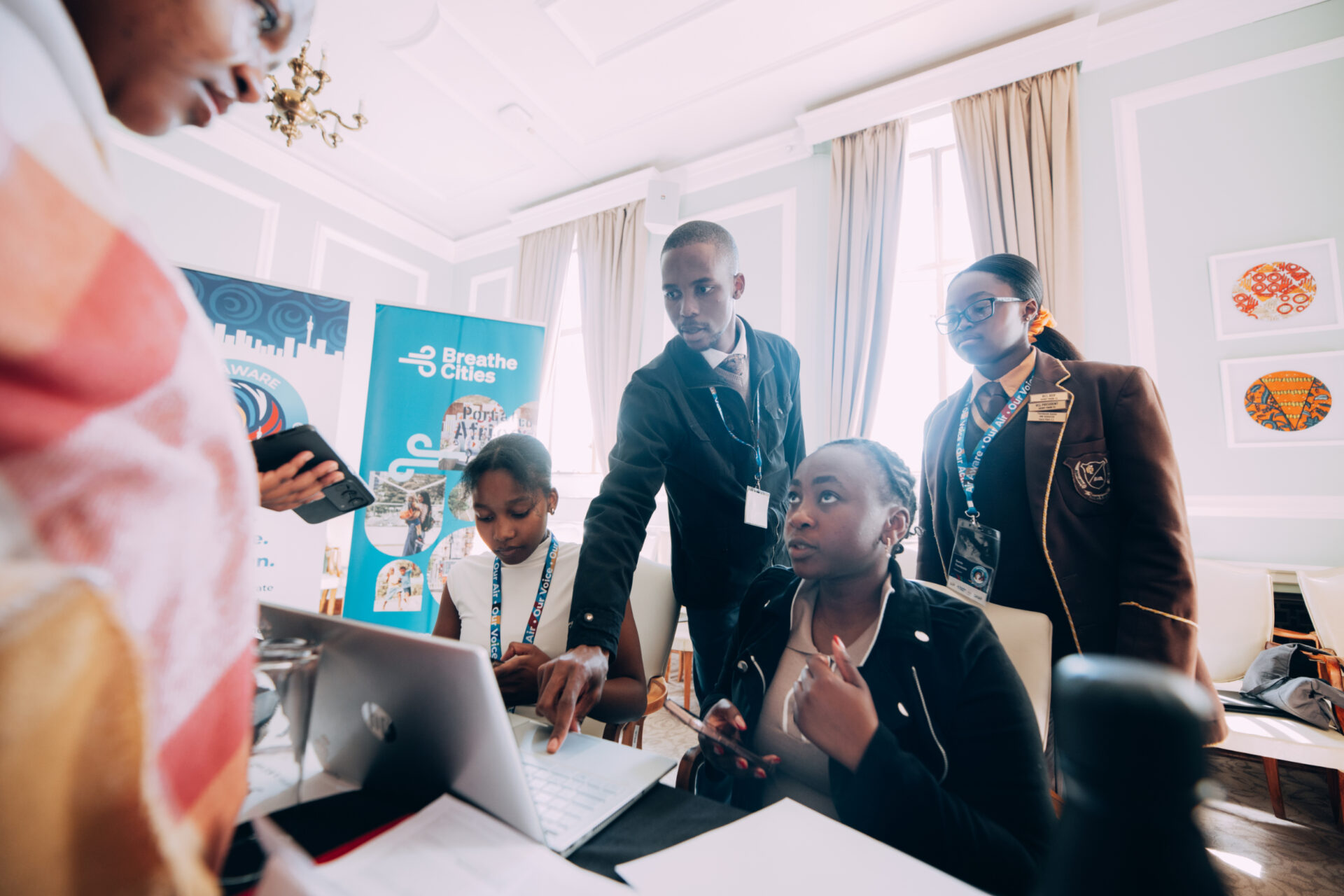
The second day moved from understanding the problem to developing the tools to respond to it. Participants explored air quality data, the South African Air Quality Information System’s Air Quality Index, low-cost particulate matter sensors, citizen science, environmental rights and Johannesburg’s air quality governance framework. They then applied these lessons through campaign development and a Clean Air Imbizo that simulated a public participation process on local air quality challenges.
The final day brought the journey back to the Youth Statement, which was handed to the City of Johannesburg’s Dr Tebogo Modiba, Executive Director of the City’s Environment and Infrastructure Services Department at the February 2026 conference. The intention was never to treat the statement as a document to be handed over and filed away, but to encourage youth in Johannesburg to consider it a guide for taking local clean-air action.
This was the beginning of the transition from “What are young people asking for?” to “What can young people do to help advance these priorities?”
Building The Next Generation of Air Aware: Youth Air Champions
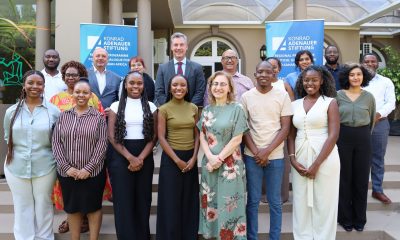
Two weeks later, the journey continued with the Air Aware: Youth Air Champions Workshop, held on 18–19 August 2026 at SAIIA.
The workshop represented the next phase of the campaign’s capacity-building and youth leadership journey. While the Youth Action Accelerator provided foundational air quality and leadership capacity-building to the initial cohort of 100 youth across the city, the YAC Workshop focused on deepening the leadership and implementation capabilities of a select cohort of 20 YACs, comprised of 10 high school learners and 10 post-school youth.
The YACs were supported in developing the practical skills required to lead, facilitate, communicate, plan, mobilise and implement local youth-led air quality advocacy campaigns and local clean air solutions.
Taking Learning Beyond the Hall
The second day of the YAC Workshop demonstrated another important principle of the Air Aware campaign: young people need opportunities to experience how clean air action works in practice.
Through a Breathe Cities Learning Journey, YACs were exposed to different approaches to addressing air pollution and its associated environmental and health challenges in Johannesburg.
At the City of Johannesburg’s Air Quality Monitoring Station in Orange Farm, the YACs explored how air quality is monitored and how scientific information can support air quality management, policy development and public health interventions.
At Kwande Eco Enviro Cooperative in Lenasia, they explored waste separation, recycling, circular economy practices and community partnerships, considering the relationship between waste management, cleaner communities and air quality.
The final learning stop at the Walter Sisulu National Botanical Garden introduced the link between air quality and biodiversity. The YACs were taken through how urban greening and nature-based solutions are crucial to addressing air pollution, and the role of green spaces in creating healthier and more resilient cities.
These experiences expanded the meaning of clean air action beyond traditional advocacy. They demonstrated that improving air quality requires different forms of intervention – from data and monitoring to waste management, community action and nature-based solutions and, importantly, cross-sector collaboration.
The Next Chapter of the Air Aware Campaign
The two workshops have established an important bridge between the conference and the next phase of the campaign.
The Youth-led Conference on Air Pollution Policy & Implementation created an intergenerational platform for young people to articulate their lived experiences of air pollution and their air-quality priorities, and to engage with experts and policymakers. The Youth Statement captured those priorities.
The workshops, which were held in August, began equipping young people with the skills to interpret, communicate and act on those priorities.
The Youth Action Accelerator established a foundation of air quality knowledge, data literacy, environmental rights, advocacy and campaign design. At the same time, the YACs Workshop took this a step further by focusing on facilitation, project implementation, budgeting, stakeholder engagement and community mobilisation.
However, training is only meaningful when it leads somewhere.
The next phase of Air Aware will focus on supporting young people to refine and implement their action concepts, engage schools and communities, work with relevant stakeholders and document their experiences. Ongoing mentorship, peer learning, partnerships and simple monitoring mechanisms will be important in supporting the transition from training to implementation.
Ultimately, the re-launch of Air Aware is not about starting again. It is about building on what young people have already started and seeing what can happen when young people are given the tools, support and opportunities to lead.
Because clean air is not only a policy issue but also a community, governance and youth issue, young people have a role to play in shaping the future of the air they breathe.