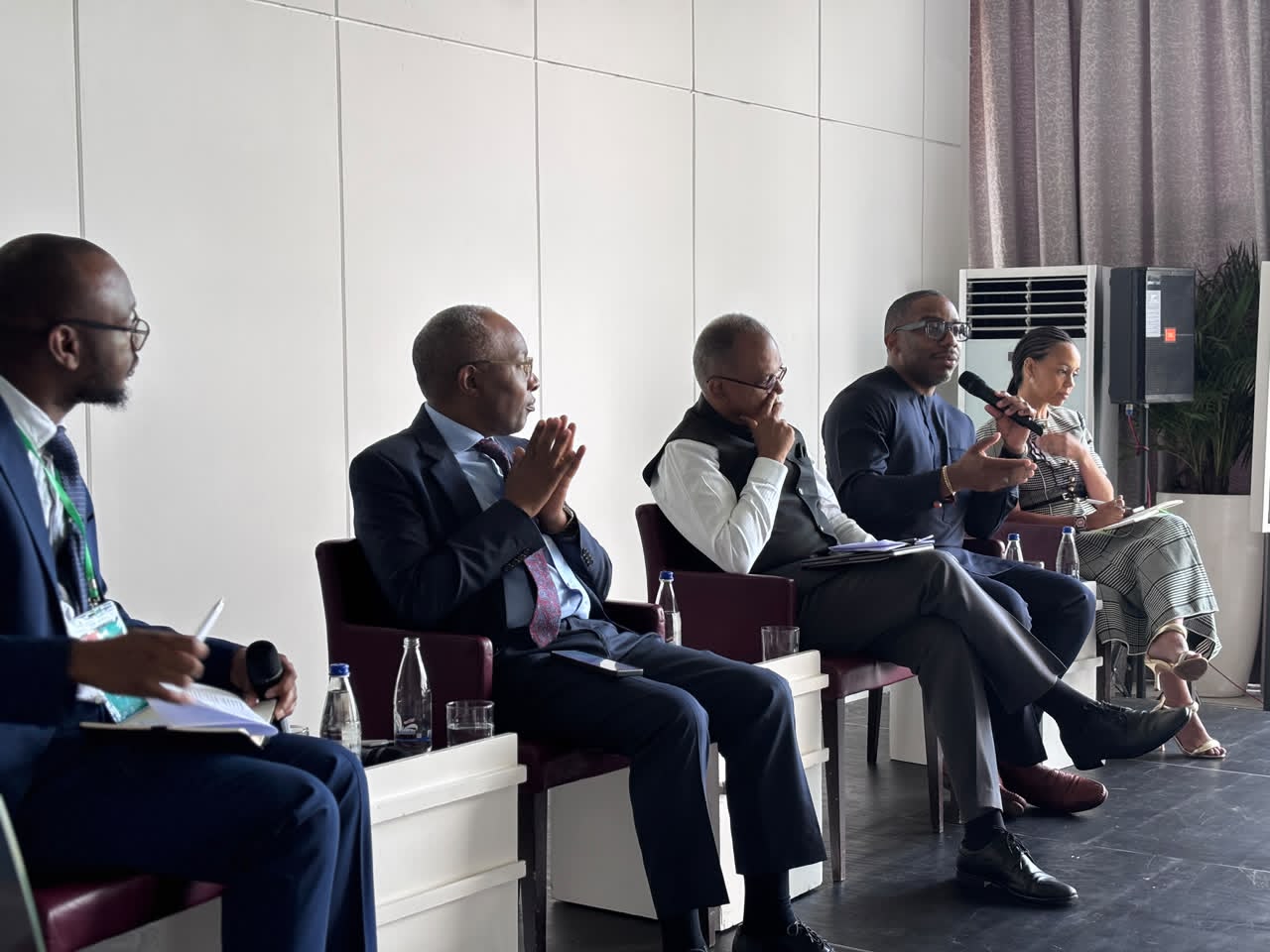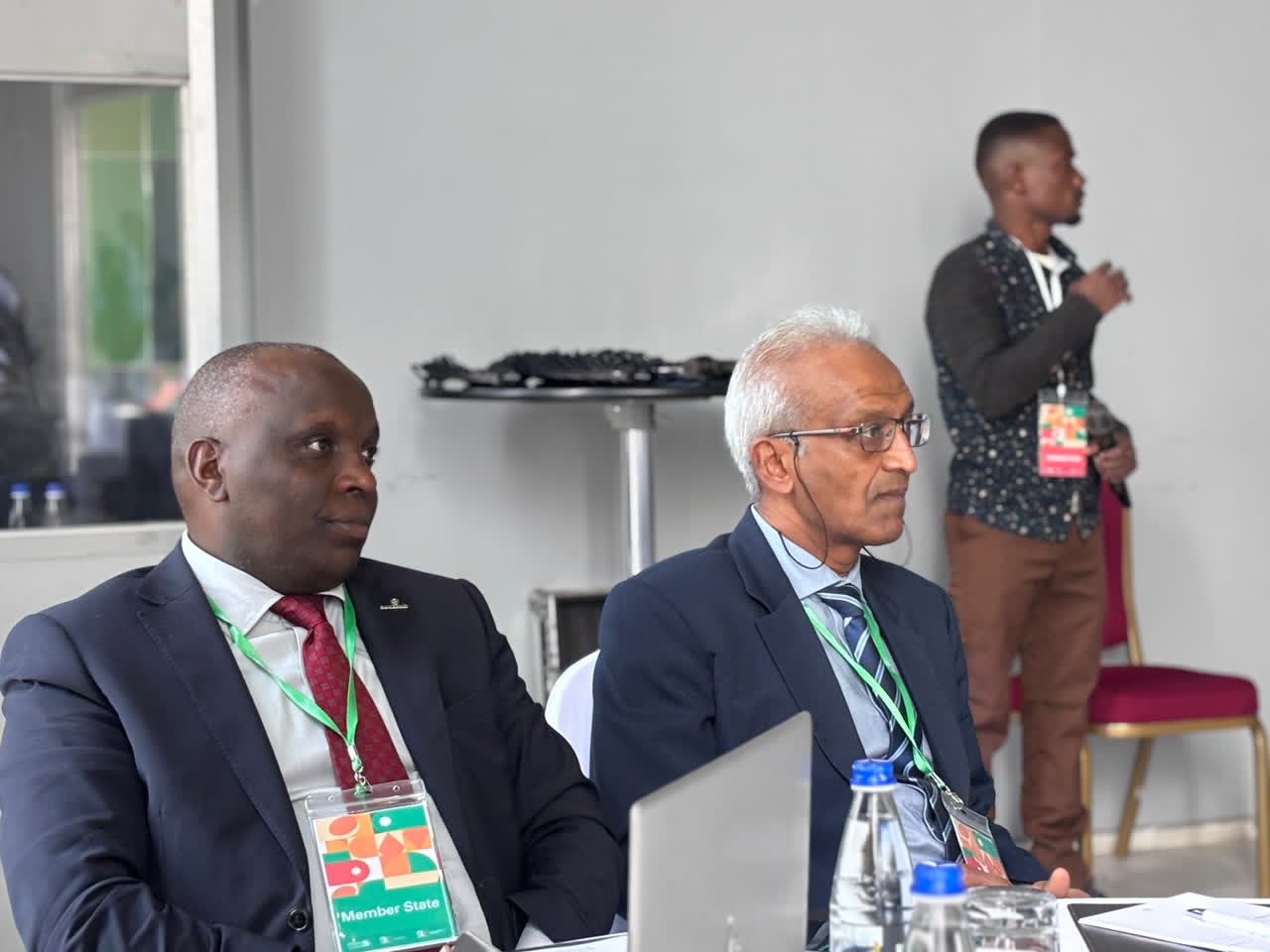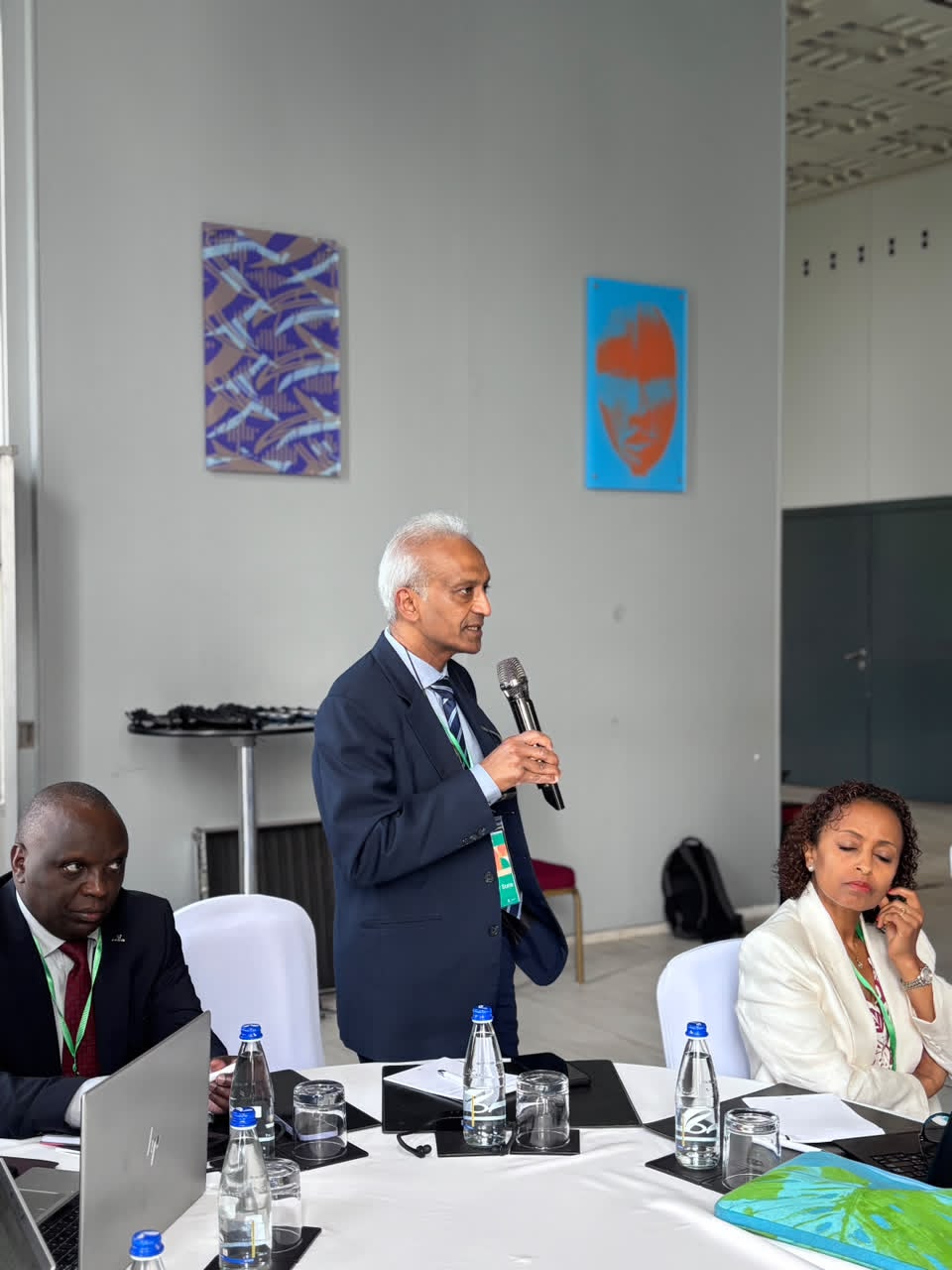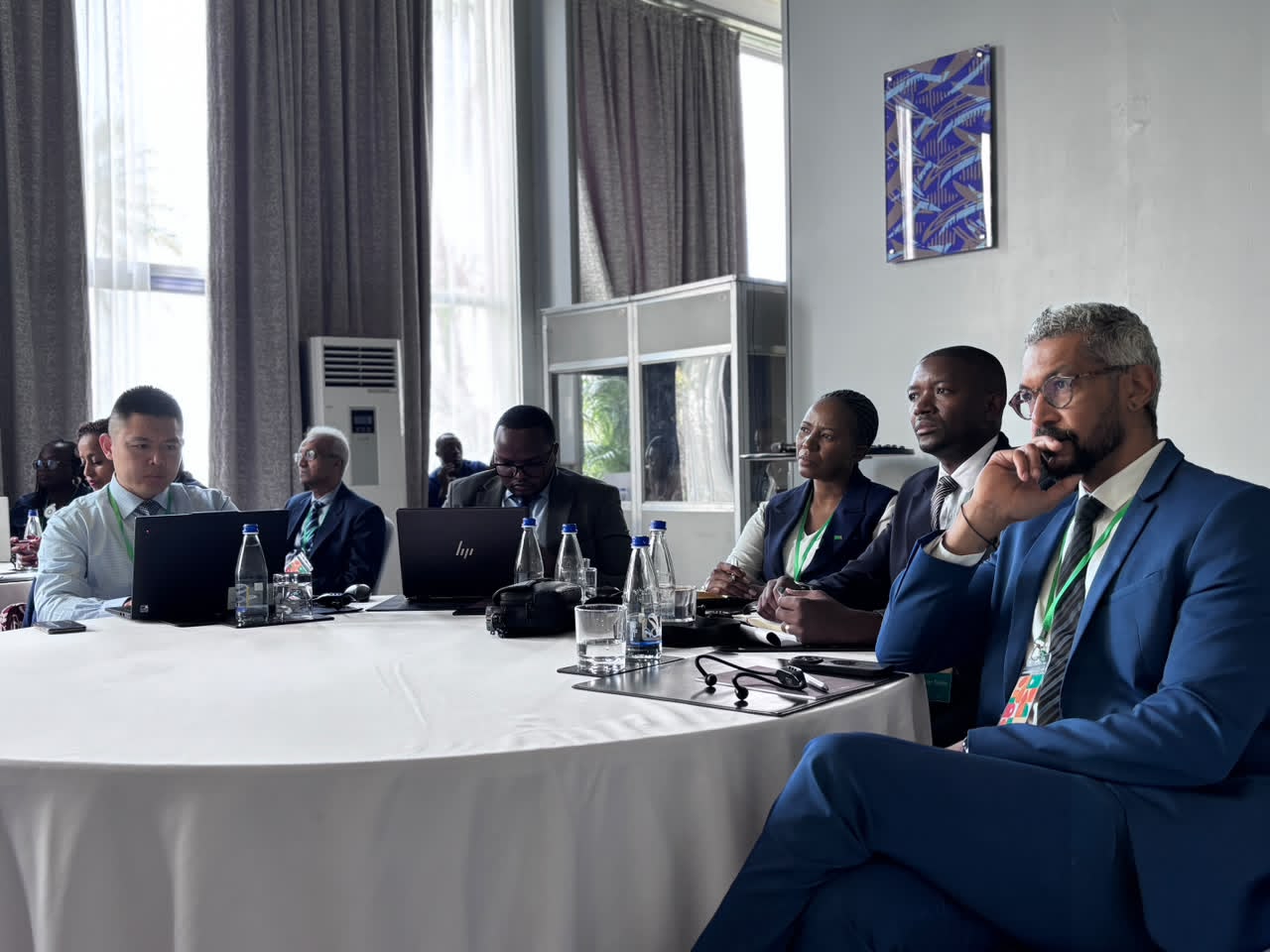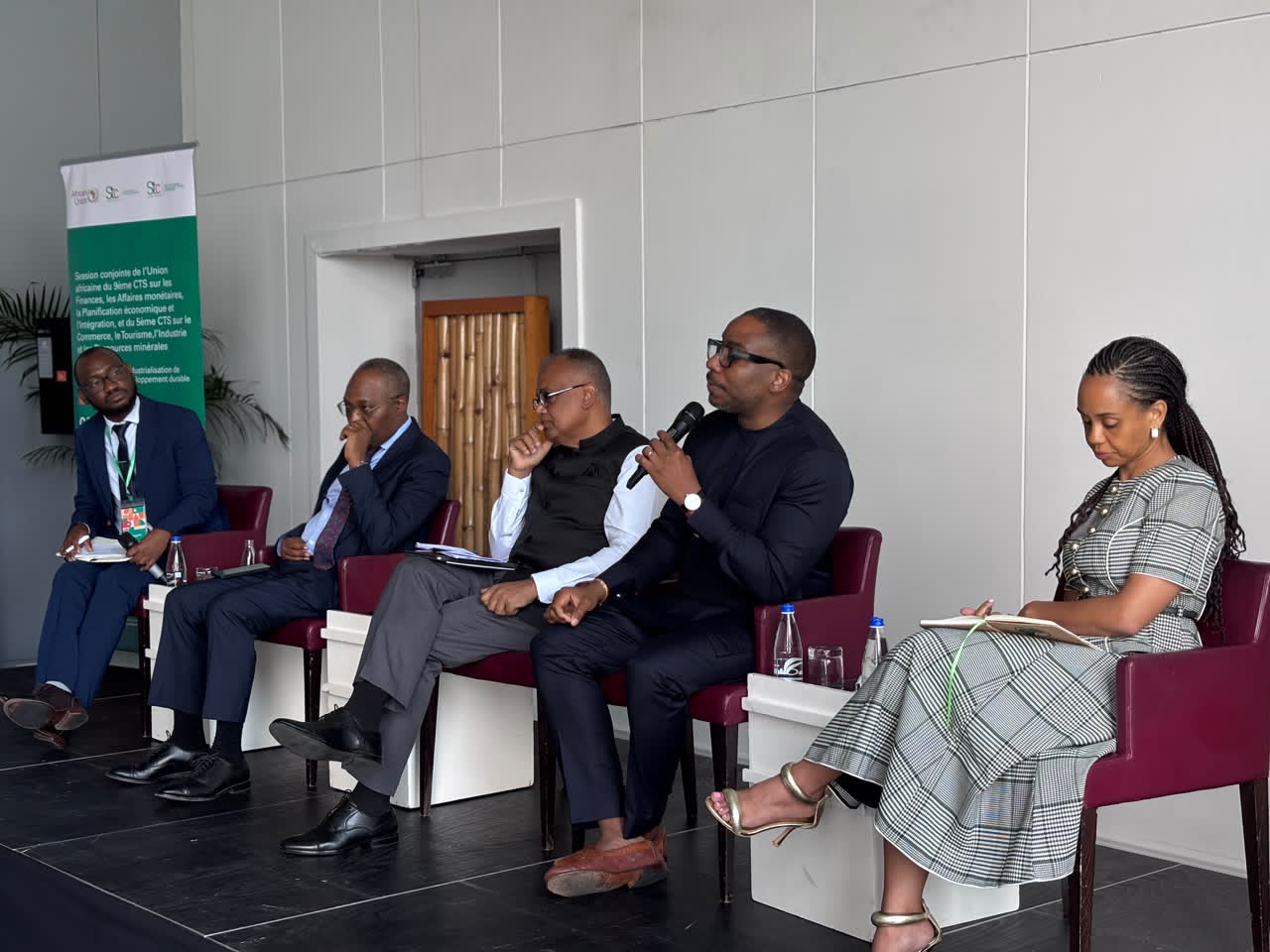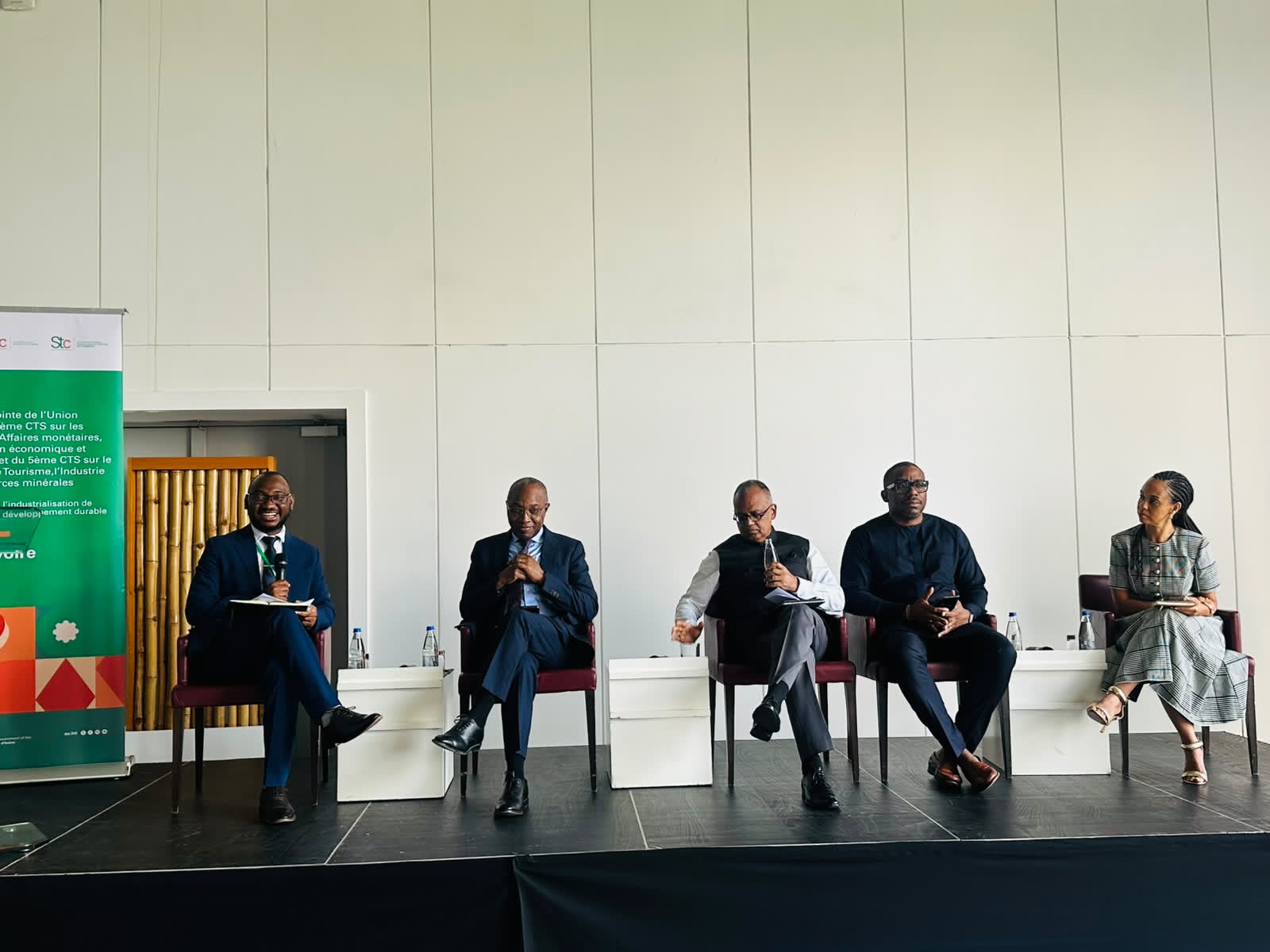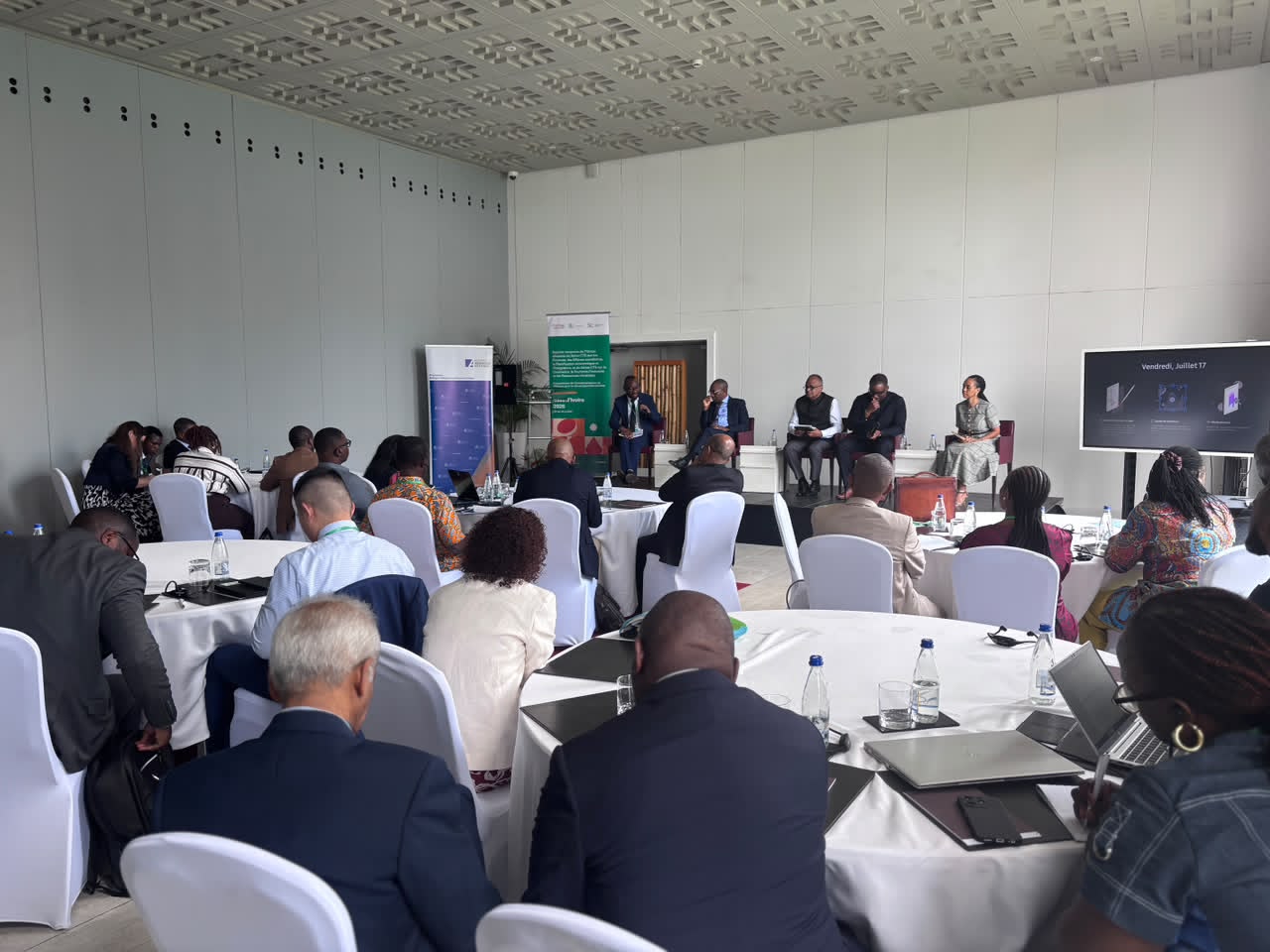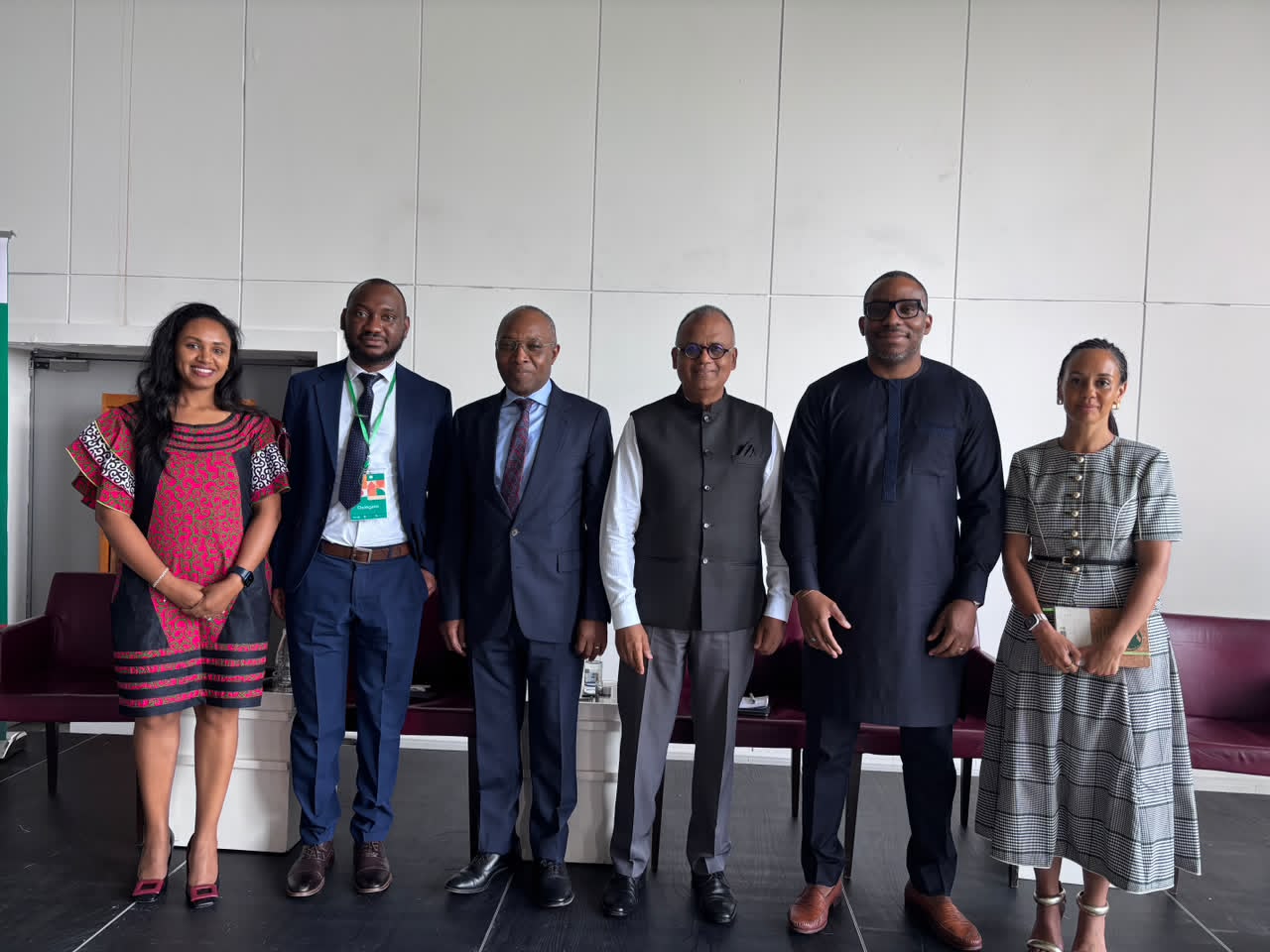


The South African Institute of International Affairs (SAIIA), Development Reimagined, the African Peer Review Mechanism (APRM) and the Alliance of African Multilateral Financial Institutions (AAMFI) convened a high-level panel on the margins of the Joint 9th Session of the AU Specialised Technical Committee on Finance, Monetary Affairs, Economic Planning and Integration and the 5th Session of the STC on Trade, Tourism, Industry and Minerals in Abidjan, Côte d’Ivoire. The session examined how Africa can mobilise its own capital for industrialisation; reduce external financing costs through credit rating reform and the African Credit Rating Agency (AfCRA); and improve the timeliness of the financial-sector data used by policymakers, investors and rating agencies, with a view to feeding practical recommendations into the Joint STC Outcome Framework.
Moderated by Dr Joseph Upile Matola, Acting Head of the Economic Resilience and Inclusion Programme at SAIIA, the panel featured:
- Dr Stephen Karingi: Director of the Regional Integration and Trade Division, UN Economic Commission for Africa
- Hannah Wanjie Ryder: CEO, Development Reimagined
- Babajide Sodipo: Executive Secretary, Alliance of African Multilateral Financial Institutions
- Dr Désiré Vencatachellum: Distinguished Fellow, SAIIA
Panellists agreed that Africa struggles with a shortage of capital relative to the scale of infrastructure financing needs, as well as its mispricing and misallocation. The continent holds more than $4 trillion in domestic capital and, while this is a small figure relative to the international context, it is worth unlocking. Much of this capital remains locked in illiquid household assets such as property rather than flowing into productive industries. In contrast, pension, insurance, and sovereign wealth assets remain small, concentrated in a handful of countries, and fragmented. Karingi stressed that deepening capital markets is essential to channel savings into productive investment.
Ryder cited a recent study by Development Reimagined that had quantified the impact of ‘disagreements’ between credit rating agencies when it came to African multilateral financial institutions (MFIs). She argued that mobilising African capital requires lowering the cost of capital, which in turn requires reforming the global credit rating architecture by engaging with the analysis that creates biases and anomalies. Ryder described the operationalisation of AfCRA as central both to charting an alternative way forward and to ensuring Africa’s financial sovereignty.
Sodipo noted that African MFIs remain undercapitalised, with combined assets roughly 50 times smaller than those of Chinese development finance institutions, and called for African governments to explore innovative yet prudent ways to unlock idle central bank reserves for national industrialisation. Vencatachellum highlighted the work by the African Development Bank in creating the New African Financial Architecture for Development as a means to strengthen African governance and institutions. She pointed to fintech, digital payments, stablecoins, central bank digital currencies (CBDCs) and tokenisation as levers through which Africa could again leapfrog, as it did with mobile telephony, to deepen capital markets and connect savings with investment opportunities.
Key recommendations
1. Operationalise the AfCRA and reform rating methodologies. Accelerate the AfCRA’s roll-out and support African sovereigns and African MFIs in engaging more collectively and effectively with international credit rating methodologies to close the documented gap in inter-agency rating divergence and reduce the associated financing costs.
2. Capitalise and scale African MFIs. The AU should intensify efforts to strengthen African MFI capitalisation, given the wide gap in scale between African and comparable non-African development finance institutions, so these institutions can credibly finance industrial transformation.
3. Deepen domestic capital markets and unlock idle reserves. Governments and regulators should pursue innovative, prudentially sound mechanisms to direct pension, insurance, sovereign wealth and central bank reserve assets toward productive investment, while promoting market instruments that draw savings out of illiquid assets such as property.
4. Close financial-sector data gaps and harness fintech. African institutions should collaborate to harmonise and improve the frequency of financial sector data, reducing information asymmetries that drive perception-based risk pricing while leveraging digital payments, CBDCs and tokenisation to connect domestic savings with industrial investment opportunities.