

South African Youth Position to COP 23
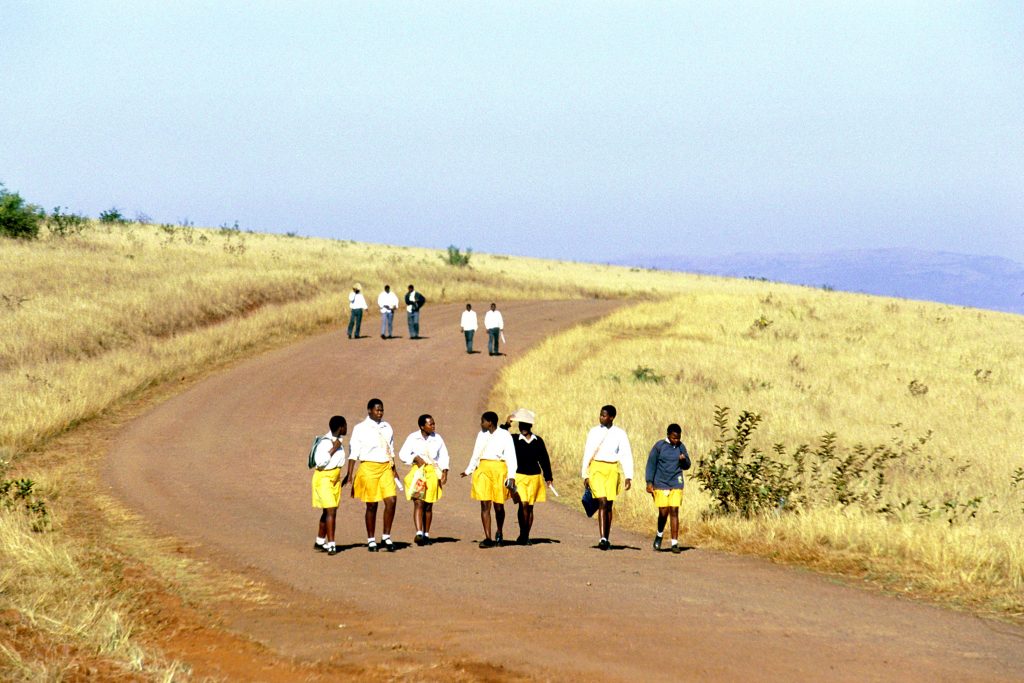
In the run-up to the conference, our Youth Policy Committee and the South African Youth Climate Change Coalition drafted the country’s official youth position on COP 23.
Financing infrastructure to reignite South Africa’s growth
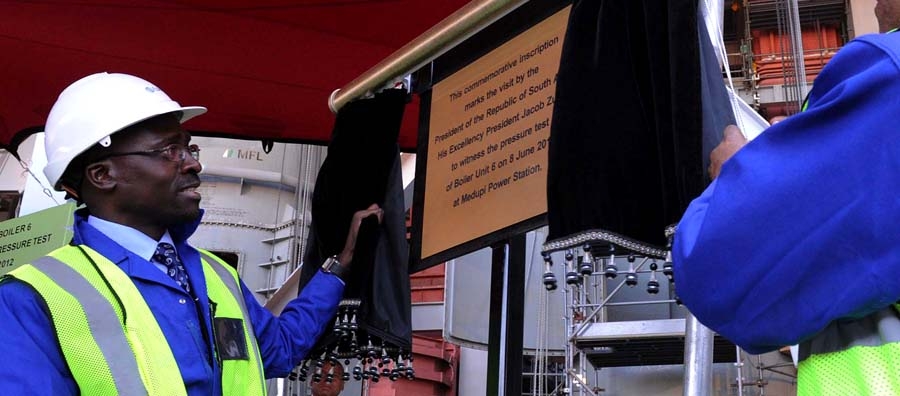
As South Africa’s Finance Minister Malusi Gigaba prepares for his inaugural Medium-Term Budget Policy Statement on 25 October, one issue will weigh heavily on his mind: how to increase government expenditure to further stimulate growth at a time when the government’s fiscal environment remains heavily constrained.
Kleptocracy upsets delicate balance of mutual interests in mining sector

On the eve of the 2017 Johannesburg Mining Indaba, the Chamber of Mines declined an invitation to the opening gala dinner — part of continuing conflict between the state and the industry over the controversial new Mining Charter.
OGP in Africa: Another sharp tool in the governance toolbox

The recent Open Government Partnership (OGP) High Level Event on the sidelines of the United Nations General Assembly brought sad tidings for OGP in Africa.
Working against the grain: Can Liberia avoid violence in the upcoming elections?

Tomorrow, Liberia will hold an election marking its first post-war handover of power.
Trump’s Africa policy is still incoherent, but key signals are emerging
Africa’s leaders, along with everyone else interested in US-Africa relations, have waited eight months for US President Donald Trump’s administration to explain its Africa policy. We aren’t there yet.
Are private sustainability standards obstacles to, or enablers of, SME participation in value chains?
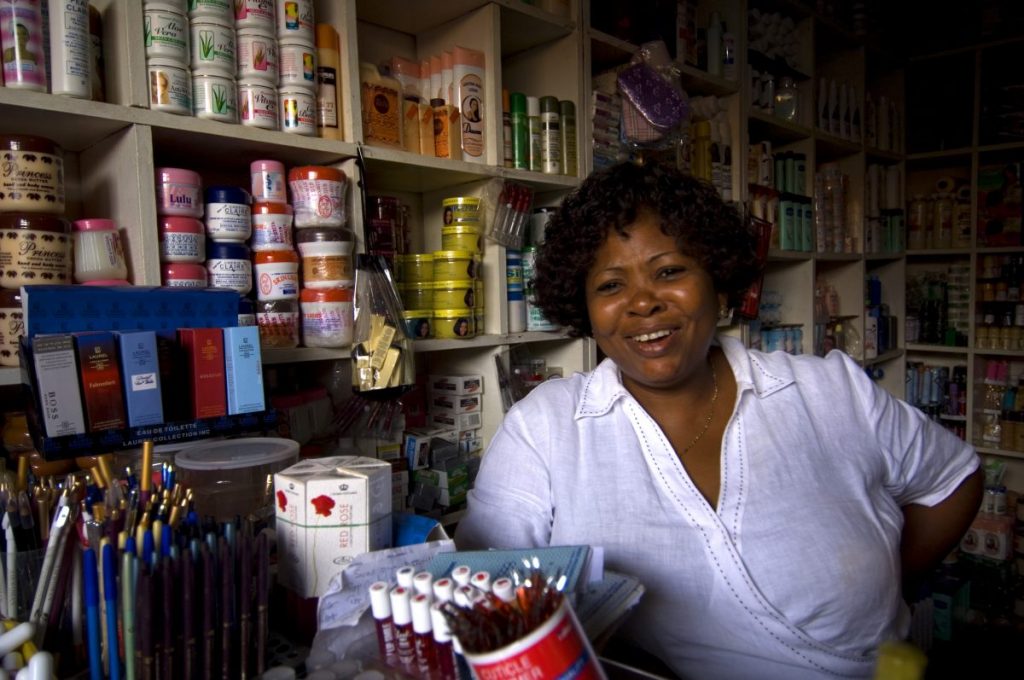
This discussion paper examines the roles of South Africa and Kenya as regional gateways for global value chains (GVCs) coordinated by multinational corporations (MNCs), and the obstacles small and medium enterprises (SMEs) face in entering those value chains, owing to the voluntary sustainability standards (VSS) enacted by MNCs.
South Africa and Secondary Powers: Contestation in Sub-Saharan Africa

The second most powerful states in regional hierarchies – or secondary powers – can be expected to contest against hegemons.
South Africa’s rhino paradox

South Africa’s recent reversal of a ban on trade in rhinoceros horn has invigorated support for commercial farming of the product. But breeders’ argument that a legal market will protect wild populations ignores how the illicit trade in wildlife products actually functions.
The DRC will be the first foreign policy priority for Angola’s new president

João Lourenço has become Angola’s first new president in 38 years. Dr Alex Vines of Chatham House explains why a stable DRC is a top priority for the new leader: A stable and predictable Congo is Luanda’s most important international objective.