
Harnessing space technology for Africa’s growth and development

Regrettably, the potential of space technology on the continent remains unrealised due to limitations in funding, expertise, infrastructure, equipment and education. Many African space science initiatives are highly dependent on foreign donor funding.
Global Economic Governance Africa Project

The Global Economic Governance (GEG) Africa programme is a policy research and stakeholder engagement programme to strengthen the influence of African coalitions at global economic governance fora such as the G20, BRICS, WTO and World Bank, in order to bring about pro-poor policy outcomes.
A blow to South Africa’s Soft Power: Leaving the ICC

South Africans woke up on the morning of 21 October 2016 to the shocking announcement that the Minister of International Relations and Cooperation, Maite Nkoana Mashabane, had submitted an instrument of withdrawal from the Rome Statute to the UN Secretary General in New York, two days before.
US Elections 2016: the view from Africa

In the run-up to this year’s presidential elections in the US, SAIIA’s experts will be providing weekly updates on the key developments, with a view to how the issues at stake might affect South Africa and Africa.
BRICS – the dream deferred, for now
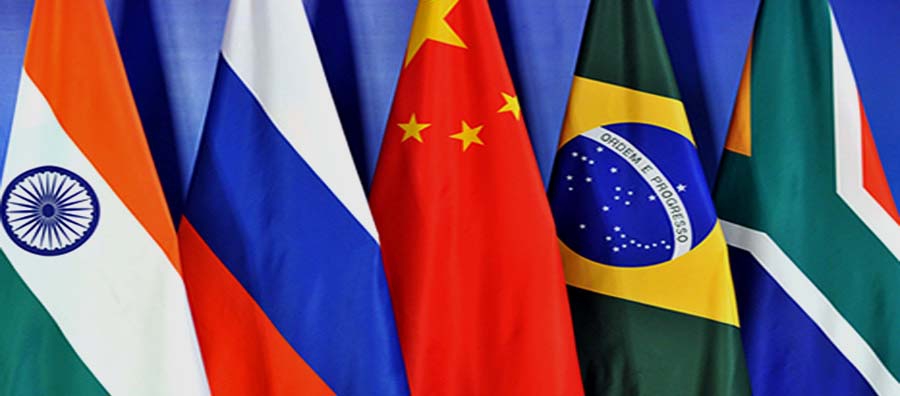
The commanding position that the BRICS economies once held in the post-global financial crises era legitimised their claims for more equitable global governance institutions. Equally, they believed that the development challenges they shared could be addressed through a collective voice in international forums on the back of their strong economic performances.
Illicit financial flows: Estimating trade mispricing and trade-based money laundering for five African countries
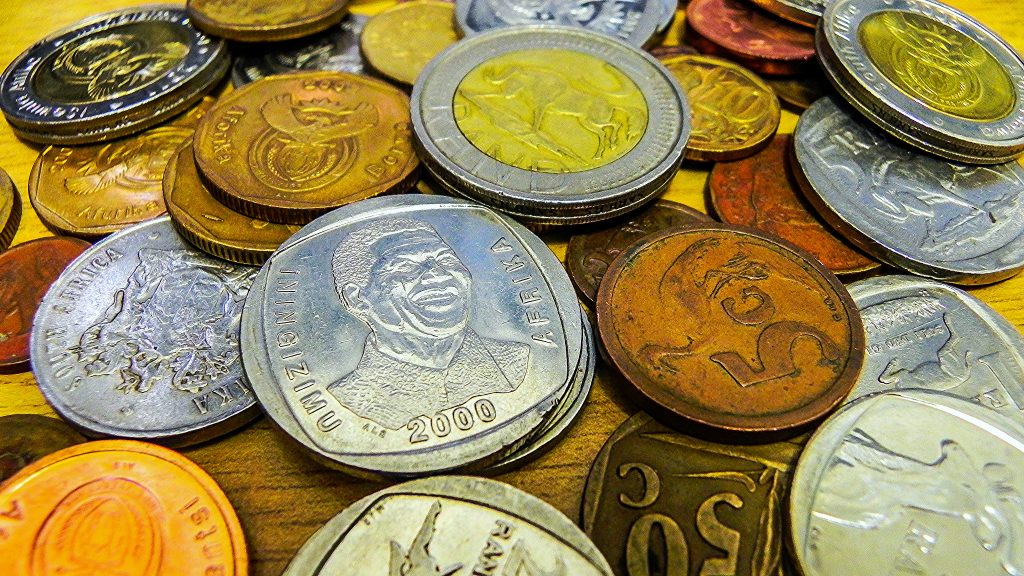
This paper focuses on the commercial tax evasion component of illicit financial flows (IFFs), clarifying concepts often used interchangeably, namely transfer pricing, abusive transfer pricing, trade mispricing (or trade mis-invoicing), trade-based money laundering (TBML), tax evasion and tax avoidance.
New realities require new policy solutions

With 27,000 African savannah elephants a year illegally killed for their ivory, the species is in peril. Now international action at CITES and the closure of domestic ivory markets are attacking the ivory trade at both ends. But we must also give our full support to ‘elephant neighbour’ communities.
Trade mispricing for five African countries

This briefing estimates the extent of trade mispricing, a form of commercial tax evasion, for five African countries and addresses the data challenges in gauging this component of illicit financial flows (IFFs).
The New Development Bank: Towards greater efficiency

Multilateral development banks (MDBs) increasingly struggle to respond effectively to the needs of middle-income countries (MICs).
There is good as well as bad news about the state of governance in Africa
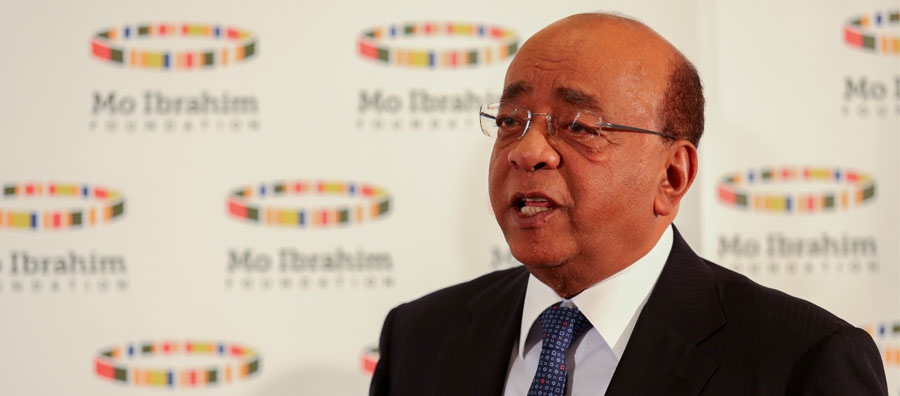
Declining safety and deterioration in the rule of law are holding back progress in governance in Africa. This is according to the latest Ibrahim Index of African Governance.