
Contextualising China’s Foray into Human Rights and Peace & Security in Africa
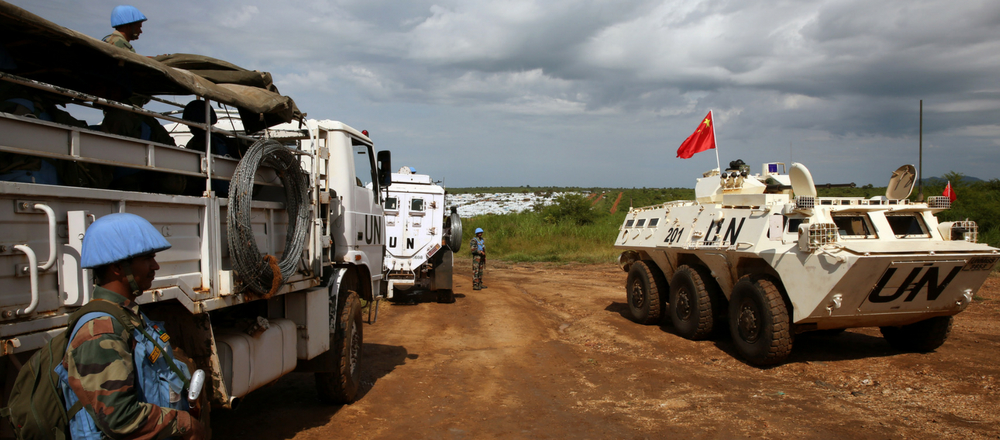
The deepening of China’s engagement with Africa has also prompted the broadening of its interests on the continent.
The unaccounted billions in international aid
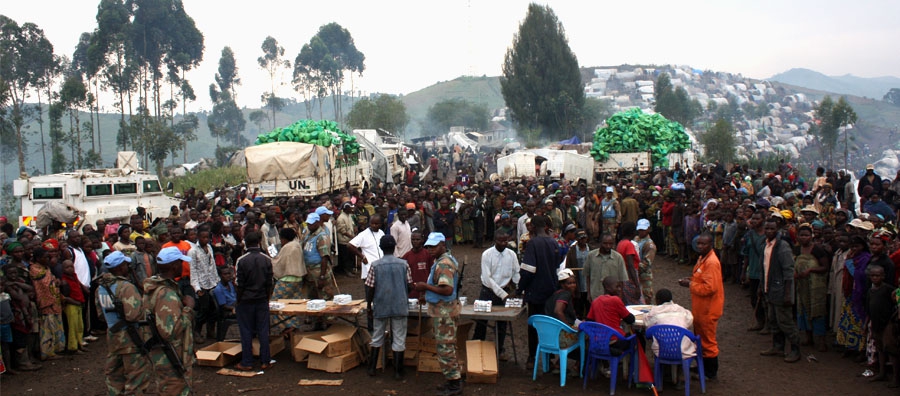
South Africa has contributed billions of Rands in developmental assistance to the DRC. Yet according to traditional definitions of aid, these contributions do not count. In a new article published by the Mail and Guardian, SAIIA’s Carmel Rawhani investigates the controversies around defining aid and why South Africa’s contributions may actually surpass those of more wealthy ‘Western’ donors.
China’s African Infrastructure Projects: A Tool in Reshaping Global Norms
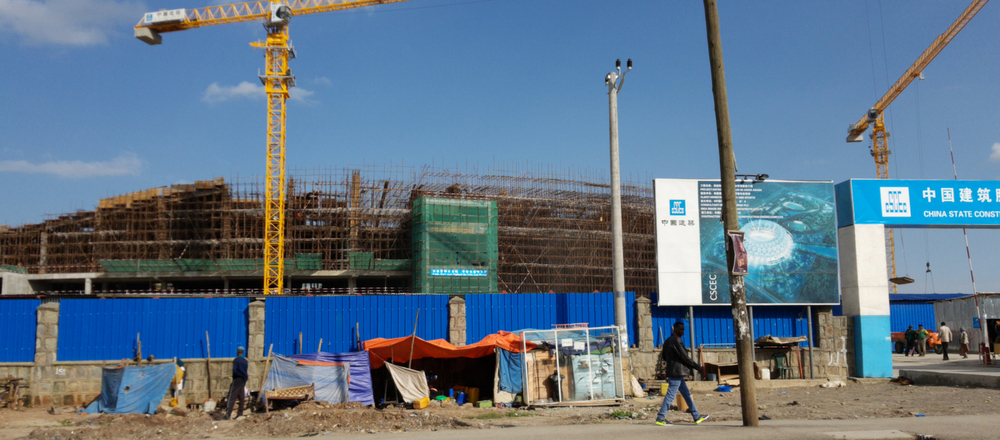
The resilience of China’s investments in African infrastructure has been called into question in the light of its own economic slowdown.
Can biofortified foods help Africa achieve food security?

The upcoming 2016 World Food Prize will honour contributions in the field of biofortification. With almost one person in four being undernourished in Africa, what do recent experiences tell us about the role that biofortified foods can play in ensuring nutritious and safe food for the continent?
Does the global ivory ban respond to a largely local problem?
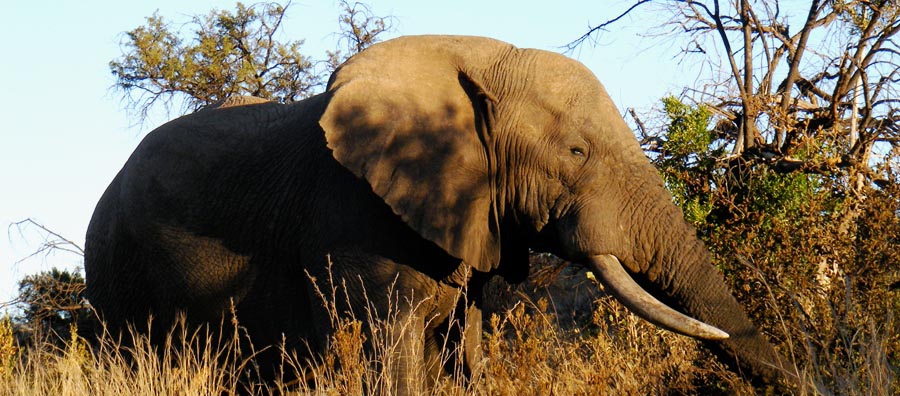
A crucial international wildlife meeting is currently taking place in South Africa. But can these kinds of high-level conferences translate into local actions to protect endangered wildlife such the African elephant?
South Africa’s commitment to governance reform: An inconvenient truth

Partnerships between government and civil society organisations (CSOs) can be volatile if not adequately nurtured, leading to mutual suspicion and questioning each other’s agendas.
Deepening Trade and Investment Relations post-AGOA: Three Options for South Africa

This briefing highlights key measures South Africa can take to maximise the benefits extended under AGOA until its expiration.
Maximising AGOA now while preparing for the future beyond AGOA

This week the United States (US) hosted African nations for the annual African Growth and Opportunity Act (AGOA) forum under the theme: ‘Maximising AGOA now while preparing for the future beyond AGOA’. AGOA, a unilateral development programme offering African countries duty free access for select exports to the US, is set to expire in 2025.
Can multilateral efforts save threatened wildlife?

Dozens of wildlife species are endangered, pushed ever closer to extinction by habitat loss and illegal trade.
Values, Culture and the Ivory Trade Ban
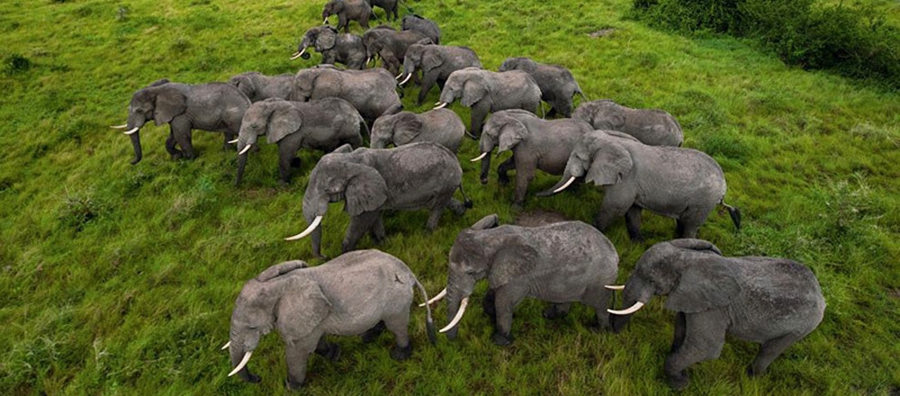
The new reality of a world without ivory trade demands a re-examination of human values towards both elephants and ivory and what each has come to represent. The closure of the world’s largest ivory markets (US and China), in line with the longstanding international ivory trade ban, must reflect a change in values.