

Lessons from Cuba: eliminating mother-to-child transmission of HIV

Cuba has officially become the first country in the world to eliminate the transmission of HIV and syphilis from mother to child. Margaret Chan, director-general for the World Health Organisation (WHO), described the small Caribbean island’s achievement as ‘one of the greatest public health achievements possible.’
South Africa needs a concrete BRICS strategy
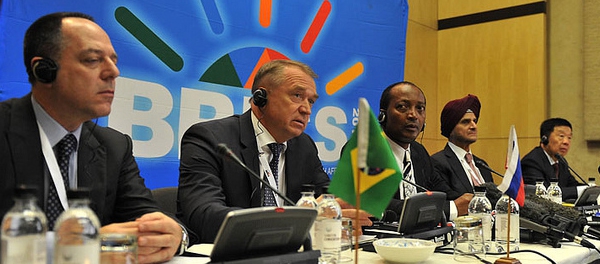
Heads of state of the BRICS countries will gather in Ufa, Russia, this week for the grouping’s seventh summit, which comes at a particularly challenging time for Russian diplomacy. Precipitated by the conflict in Ukraine, Russia is barred from Group of Seven/Group of Eight processes and increasingly estranged from the West.
Marikana Commission’s findings cast light on urgency of labour law reform

Following the tragic killing of striking miners at the Lonmin Mine in Marikana on 16 August 2012, South Africa’s government established a Commission of Inquiry to investigate matters of ‘public, national and international concern’ arising out of the tragic event. Three years on, the release of the Commission’s final report has provoked hostile reactions from many quarters.
BRICS and climate change
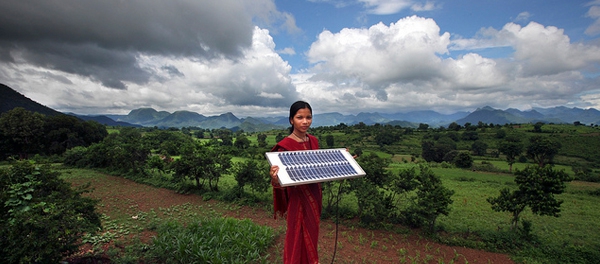
Reflecting the broadening of the BRICS agenda since the grouping was formed in 2009, the first ever meeting of BRICS environment ministers was held in Russia in April 2015.
South African Foreign Policy and the UN Security Council: Assessing its Impact on the African Peace and Security Architecture
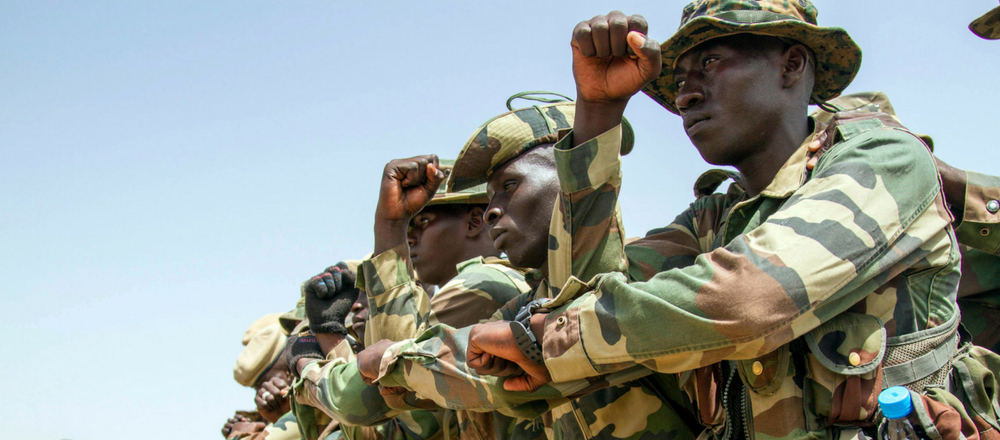
South Africa’s two terms – 2007–2008 and 2011–2012 – as a non-permanent member of the UN Security Council (UNSC) has received limited scholarly attention. And yet this is a period that saw South African foreign policy assume a truly global stature, weighing in on issues as significant as human rights in Myanmar and crises as challenging as humanitarian intervention in Libya and Syria.
25th AU Summit: Political risk and FDI in Africa

The signing of the Tripartite Free Trade Agreement (TFTA) two weeks ago in Egypt between three of Africa’s major economic blocs COMESA, the EAC and SADC is an important development for intra-African trade and investment.
Climate Geopolitics: an Opportunity for Africa to Become a Trailblazer?

Ahead of the UN Conference of Parties (COP 21) meeting in December 2015, which it is hoped will deliver a universal, legally binding climate agreement to succeed the Kyoto Protocol by 2020, Paris is hosting an International Scientific Conference (ISC) from 7–10 July.
The BRICS Academic Forum: A preview of issues for the 2015 BRICS Summit
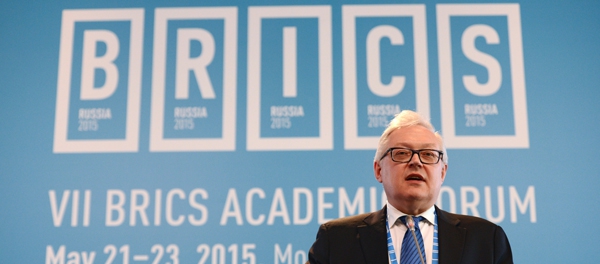
Some five weeks ago I attended the BRICS (Brazil-Russia-India-China-South Africa) Academic Forum in Moscow as part of the South African delegation. The discussions held there provide interesting insights into the future direction of the BRICS group.
Climate Finance: Lessons from Rwanda

Developed countries have made little progress in providing climate finance for the transition towards low emission and climate-adaptive development pathways in developing countries.
Presidential term limits: a new African foreign policy challenge

A coup d’état in Burkina Faso in October 2014 thwarted attempts by West Africa’s former regional strongman Blaise Compaoré to extend his stay in power.