

What came first: the chicken or the leg?

On the sidelines of this week’s OECD meetings in Paris, South Africa’s Minister of Trade and Industry Rob Davies and US Trade Representative Mike Froman will try and overcome the protracted dispute between the two countries on chicken exports.
To Protect or to Intervene? Contesting R2P as a Norm in South Africa’s Foreign Policy

This policy insights paper contends that the ‘reaction pillar’ of the responsibility to protect (R2P) makes a specific statement about the residual responsibility of the international community to intervene when states are unable or unwilling to protect their citizens from genocide, war crimes, ethnic cleansing and crimes against humanity.
Food Safety in Southern Africa: rethinking world health worries

The theme for World Health Day, held on 7 April 2015, was ‘From farm to plate – make food safe.’ The main motivation for the theme was the alarming amount of bacteria borne diseases across the globe, transmitted by eating food which is contaminated by bacteria, viruses, parasites or chemical substances.
Burundi crisis a key issue for the African Union summit

A few weeks ago, forces loyal to President Pierre Nkurunziza stymied a coup d’état in Burundi. A few months earlier, last October to be precise, the exact opposite occurred when an army officer in Burkina Faso, Lt Col. Isaac Zida, dislodged in a bloodless coup d’état West Africa’s former strong-man and president of that country, Blaise Compaoré.
Energetic Dialogues in South Africa: The Inga Example

Studies of major hydropower projects such as that at the Grand Inga Dam in the Democratic Republic of the Congo (DRC) stress generation capacity and call for regional integration.
Controversy Follows E-Tolls Although ‘User Pays’ Principle Looks Set to Stay
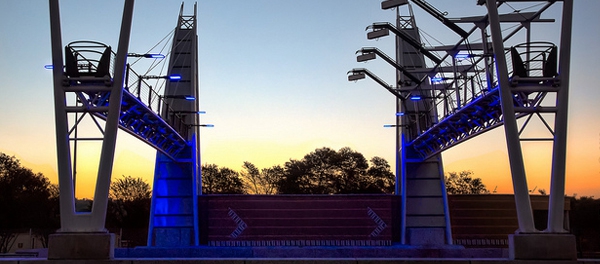
A new pricing model for the controversial electronic toll collection (e-tolling) on the Gauteng Freeway Improvement Project (GFIP) was announced by Deputy President Cyril Ramaphosa last week, which will dramatically reduce user fees but link unpaid fees to driver’s licence renewals.
Preventive Diplomacy and the AU Panel of the Wise in Africa’s Electoral-related Conflicts

In recent years a spate of electoral-related conflicts in Africa has made the quest for ‘peace’ predominate electoral processes, especially in situations that hold substantial threats to peace and stability.
Deepening democratic norms is crucial for a self-assured Ethiopian foreign policy
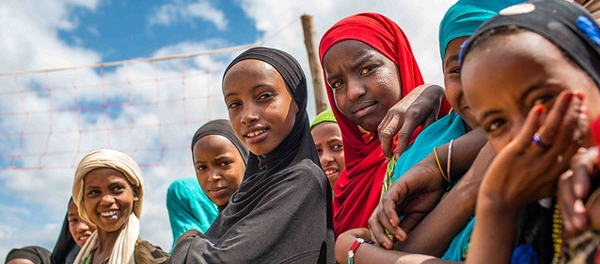
Ethiopia, Africa’s second most populous country, and one of the 12 fastest growing economies in the world is heading to a general election on 24 May 2015. There is very little to suggest that the ruling Ethiopian People’s Revolutionary Democratic Front (EPRDF), which came to power after a bloody civil war in 1991 should have much to worry about.
Democratising the BRICS image through inclusive global agendas
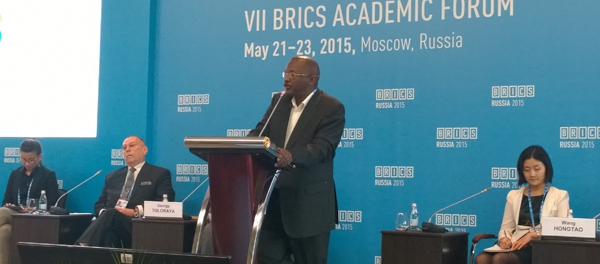
The BRICS (Brazil-Russia-India-China-South Africa) Academic Forum in Moscow took place from 21-23 May 2015.
South Africa’s foreign policy priorities for the 21st century: a closer look at the potential for co-operation in the South Atlantic zone
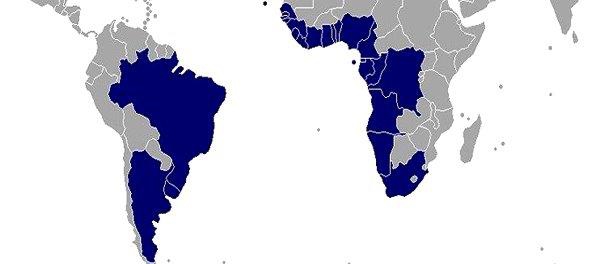
The South Atlantic Zone refers to a grouping of countries from Latin America and Africa that fall on the littoral border of the South Atlantic Ocean. This region holds significant strategic and economic potential for countries from both regions.