

Kenya Gears Up for Second Peer Review … Again
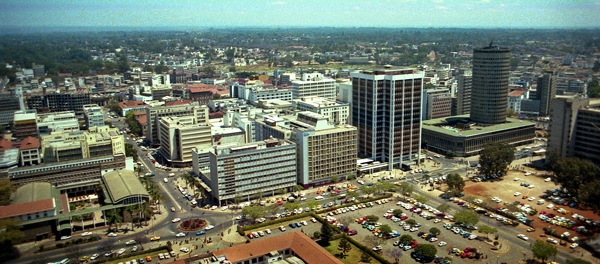
Despite the shadow cast by the charges against President Uhuru Kenyatta and Vice President William Ruto at the International Criminal Court, Kenya has been quietly going about compiling its second Country Self-Assessment Report (CSAR) under the African Peer Review Mechanism (APRM).
Platinum & Passes: The Impact of Mining Investments on Education Outcomes in South Africa
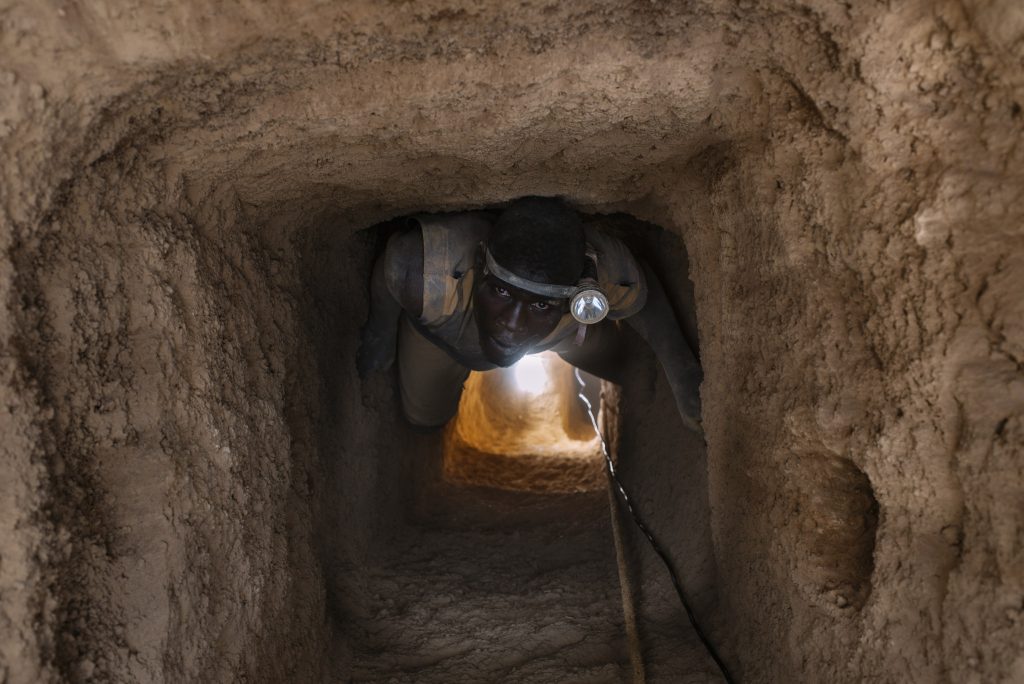
Platinum mining is a major engine of South Africa’s economy, producing exports and generating employment for many South Africans. It is, however, highly dependent on skilled labour, engineers and technicians, who are drawn from the limited pool of graduates that are emerging from the weak South African schooling system. Public-private partnerships have been established in an attempt to address this gap.
South Africa’s Regional Policy: The Link Between Normative Anchors and Economic Diplomacy in SADC

South Africa’s foreign policy identity is grounded in the values of good governance, democracy and human rights, as a consequence of its own transition to democratic rule in 1994. However, the past two decades have witnessed lacunae in the manner in which these values have been articulated in its economic diplomacy in Southern Africa.
Reformist zeal fails to ease path for business in Nigeria

Brazil ‘is the country of the future and always will be’. Attributed to Stefan Zweig, an Austrian novelist who emigrated to Brazil in 1941, this quote could be adapted to Nigeria, which recently hosted the World Economic Forum’s (WEF’s) Africa Summit in Abuja.
The African Union and the Promotion of Democratic Values in Africa: An Electoral Perspective

Since its official inauguration on 9 July 2002, the African Union (AU) has made the promotion of democracy and good political governance for the development and stability of Africa one of its main priorities.
Governance: Linchpin of Dryland Natural Resource Management

Drylands cover approximately 12.5 million km2 (61%) of the African continent and 60% of Africa’s people live in them. Forests and woodlands underpin sustainable land management and livelihoods in dryland regions.
Extractive sector under pressure to demonstrate developmental obligation
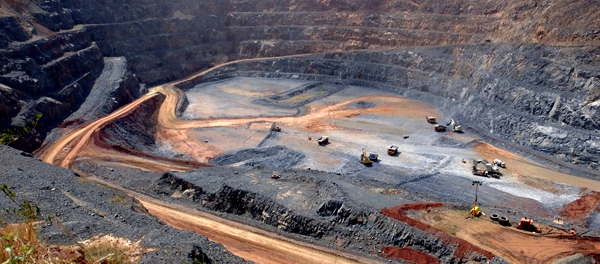
If the European Union (EU) and the ‘Organization for Economic Cooperation and Development (OECD) can provide strong leadership in at least four key areas, EU companies can become better placed than their global peers to meet the stricter operation standards and developmental impact being demanded by communities and governments in Africa.
Nigeria and the BRICS: Current and Potential Trade Relations and their Implications for the Nigerian Economy

This paper analyses Nigeria’s trade relations with Brazil, Russia, India, China and South Africa (the BRICS countries), focusing on the patterns, intensity and complementarity of trade as well as its impact on economic performance.
Southern Africa’s Dryland Forests and Climate Change Adaptation

The interior of Southern Africa, encompassing significant areas of drylands, will be severely impacted by climate change.
Africa’s Extractive Governance Architecture: Lessons to Inform a Shifting Agenda

Careful reflection is needed in examining options for streamlining and capacitating the myriad Africa-led initiatives that have emerged recently in the area of resource governance.