

2014 African Mining Indaba: Address three key pressure points to improve mining outlook

The increasingly adversarial nature of labour relations is having a dampening effect on South Africa’s mining investment prospects. On the eve of the 2014 African Mining Indaba (3 to 6 February 2014), observers worried about the persistent labour crisis and its likely long-term effect on investor sentiment should pay attention to three key pressure points. In conjunction, they will determine the future viability of South Africa’s mining industry.
The OAU/AU at 50: Democratic Governance as a Precondition for a Sustainable African Future
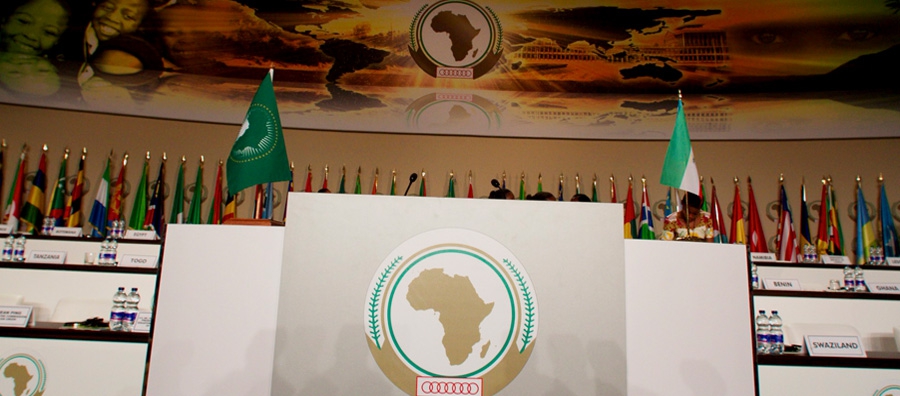
The 50th anniversary of the African Union (AU), previously the Organisation for African Unity (OAU), in May 2013 provided a fitting moment for the continental body to reflect on its achievements, challenges and the way forward.
What will it take to break the impasse in mining strikes?

South Africans appear to have become accustomed to perpetual strike action, especially in the mining industry. It is an unhealthy sign of succumbing to the status quo, having relinquished faith that a solution is in fact possible.
BRICS’ Public Diplomacy and the Nuances of Soft Power

How effective are the BRICS in inspiring confidence in their public diplomacy? This question lies at the heart of their soft power.
Releasing the Prisoners from their Dilemma: How to Resolve Labour Tensions in South Africa’s Mining Sector

On 16 August 2012 South Africa was thrown into tumult as police opened fire with live ammunition on a crowd of striking mineworkers at Lonmin’s Marikana platinum mine, killing 34 people.
Ukraine: Choosing between the EU and Russia

On New Year’s Eve 2014 over 100,000 Ukrainians attempted to set the Guinness World Record for the largest number of people simultaneously singing their national anthem. While such activities normally symbolise national unity, Ukraine remains as divided as ever.
State–Civil Society Relations: The Potential Contribution of the African Peer Review Mechanism
The African Peer Review Mechanism (APRM) is Africa’s home-grown governance promotion and monitoring tool.
Political Economy of Egypt’s Regional Trade Integration Policy: The Case of Joining the Tripartite Free Trade Agreement

The political signalling of Egypt in 2012 to join the Tripartite Free Trade Agreement (TFTA) emphasised Egypt’s interest in being part of this important initiative.
South Africa’s Green Economy Transition: Implications for Reorienting the Economy Towards a Low-Carbon Growth Trajectory

The notion of green economies seems to have gained momentum in both developed and developing countries. For South Africa, the transition to a green economy presents a mix of challenges and opportunities.
The African Peer Review Mechanism Ten Years On: How Can It Be Strengthened?
The African Peer Review Mechanism (APRM) celebrated its tenth anniversary in March 2013. On the threshold of its second decade, where does the APRM currently stand, what challenges does it face and which direction is it likely to take?