

Integrating SADC: Why Angola is the odd one out
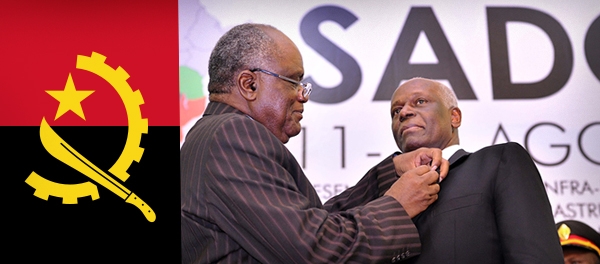
When heads of state met in Lilongwe, Malawi, for the Southern African Development Community (SADC) summit on 17 and 18 August 2013, one of their agenda items was a report from the Ministerial Task Force on Regional Economic Integration. This task force has been working on a roadmap towards the formation of a SADC Customs Union, which aims to take regional integration within the bloc one step beyond the existing Free Trade Area (FTA) that was launched in 2008.
Ethiopia’s Foreign Policy one year after Meles Zenawi: An opportunity for transformation

Today, on 21 August 2013, a year has passed since the death of Prime Minister Meles Zenawi, the man considered to be the leading architect of post-Derg Ethiopia. Following his death, the future of a resurgent Ethiopia hung by a thread. Uncertainty mounted in the vast country of over 80 million inhabitants, with over 60 diverse ethnicities and two major religions that have cohabitated uncomfortably for decades.
China’s Silent Storm in Sierra Leone
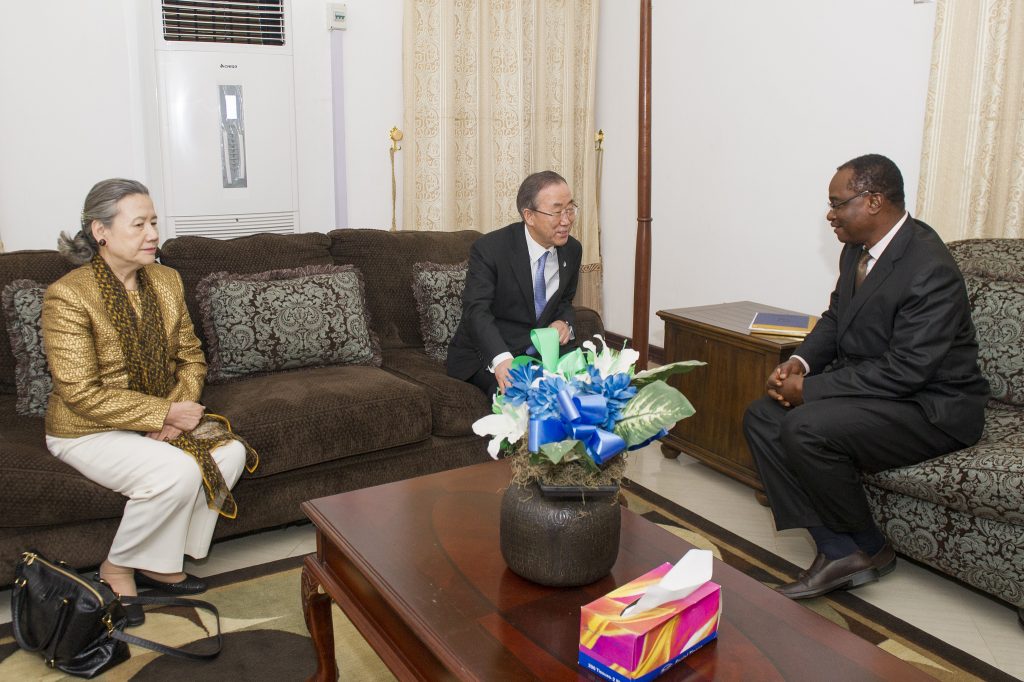
There are many faces to China’s presence in Sierra Leone and its present role there. Chinese investments, ‘gifts’ and trading activities have gone some way to reshaping the stereotype of Beijing as solely an exploiter of Africa’s minerals resources.
Will Tax Reform Drive Equitable Development in Oil-Dependent Angola?

Angola is currently implementing a major tax reform programme, which aims to boost non-oil tax revenue as a means to diversify its economy. Broadening the tax base will play a critical role in reducing natural-resource dependence and vulnerability to international commodity price and demand volatility.
The 33rd SADC Summit in Lilongwe: An organisation at the end of its resources

The overarching mandate of the Southern African Development Community is the furtherance of socio-economic cooperation and integration, including political and security cooperation among its fifteen member states. Ordinarily, it is with these in mind that the 33RD annual SADC Summit is convening in Lilongwe, the capital of Malawi.
Mining Sector Violence Reflects a Deeper Social Malaise

Marikana has elicited a voluminous spectrum of analyses. The most insightful have pointed to the need for deep structural reforms, including innovative means of addressing the persistent challenges of migrant labour. Few, however, have drawn parallels between Marikana and the central problem of violence in South African society more broadly.
Malawi vs Tanzania vs SADC: Regional dispute resolution bites the dust
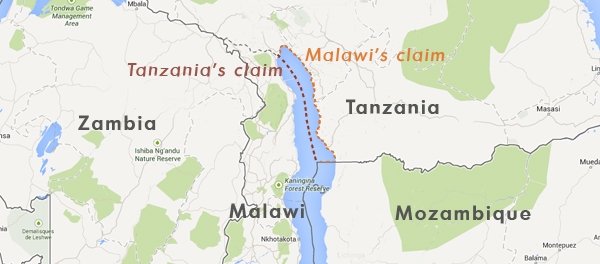
As Malawi stands poised to assume the chairmanship of the Southern African Development Community (SADC) in August 2013, it does so amidst a fractious border dispute with Tanzania.
South African Development Partnership Agency (SADPA): Strategic Aid or Development Packages for Africa?

The following report is an in-depth analysis commissioned by the South African Institute of International Affairs between 2012 and 2013 that explores South Africa’s past, present and future development assistance to the rest of the continent.
Brazil–Africa Technical Co-operation: Structure, Achievements and Challenges

Increasingly, Brazil is regarded both within and outside of Africa as a reliable development partner.
Zimbabwe: Beyond Election Day 2013

Even before Zimbabweans went to the polls on 31 July 2013, the Southern African Development Community’s Organ on Politics, Defence and Security raised a litany of concerns about the elections. SADC requested that the election be postponed in order to allow reforms as provided for in the Global Political Agreement to be effected.