

Obama inspires, but what are the implications for US-South Africa relations?
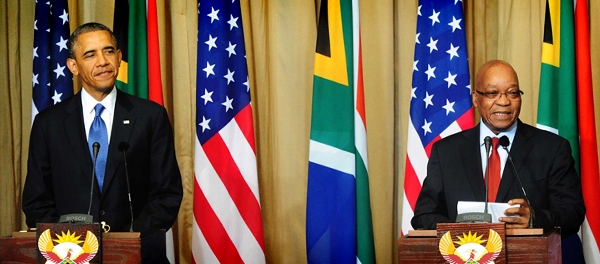
United States President Barack Obama’s speech was well-calibrated for an audience of university students, and harkened back not only to the words of Nelson Mandela at the time of his release from prison but also to those of Robert F Kennedy and a speech delivered on the same spot in a completely different South Africa, one in the throes of Apartheid, in 1966.
Pushing Illicit financial flows to the top of the global agenda

In 2012, Africa lost an estimated $43-$46 billion to illicit financial flows (IFF). Calculated over time, the size of this “shadow financial system” is staggering. For instance, between 1980 and 2009 the continent is estimated to have lost around US$1.3 trillion. This is according to a report by Global Financial Integrity (GFI) and the African Development Bank (AfDB) released in May 2013.
South Africa’s Nuclear Future
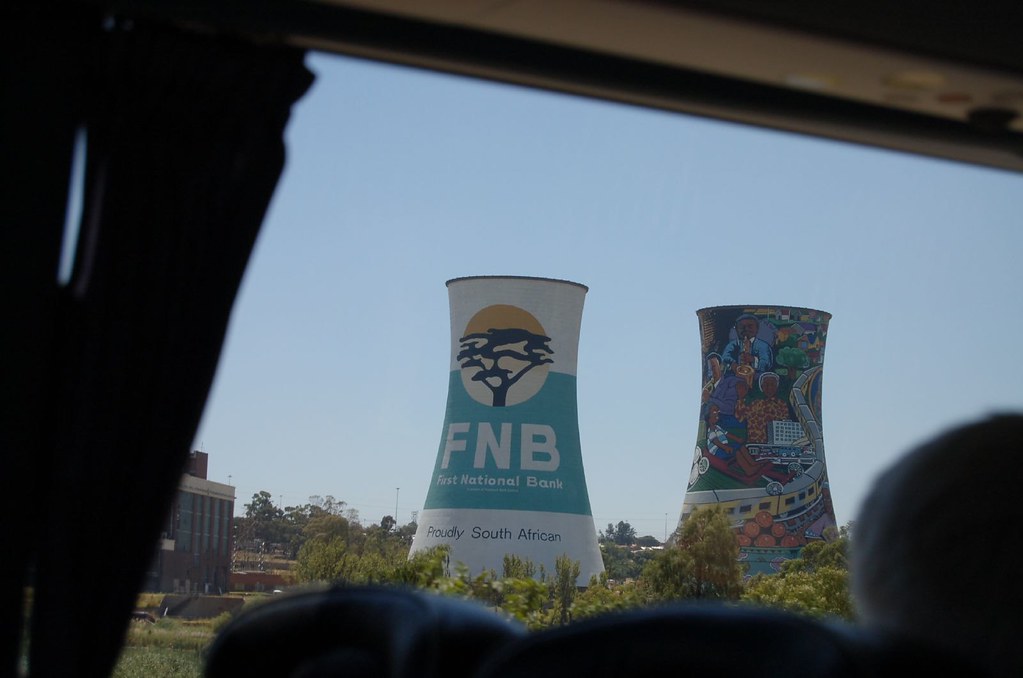
The South African government has embarked on a programme to develop the country’s nuclear energy capability in order to meet increasing national energy demand.
Mozambique and Malawi: Recalibrating a Difficult Relationship
Mozambique shares the largest portion of its border with Malawi. Despite extensive socio-economic ties linking the two countries, their relationship historically has been a difficult one.
Time to set SA-US trade on a fresh trajectory

The US remains one of South Africa’s most important economic partners and President Barack Obama will soon be here as part of his three-stop African tour. One of the official objectives of the visit will be to improve Africa’s economic growth and promote international trade.
Exporting and Export Dynamics Among South African Firms
According to the National Development Plan increased exports, particularly among small and medium firms, are an important job-creation strategy. Yet much of the South African debate on exporting occurs in an environment based on anecdote and prejudice rather than fact.
SPECIAL REPORT: Why Obama’s visit to Africa matters

US-Africa relations have changed considerably over the past 20 years. A perceived limited American policy focused on providing ‘poor’ Africans with aid and selfishly dealing with its own security issues, such as access to oil and fighting terrorism, has now evolved into a partnership that is substantially more than just that.
Foreign-policy Positioning Through Multilateralism: South Africa in the UNSC
The UN Security Council (UNSC) is the premier multilateral decision-making body responsible for international peace and security. As such, South Africa’s re-election to the Council for a second term in 2011–12 signalled the recognition by its peers of the country’s standing in international affairs.
Civil Society Participation in Uganda’s APRM Process

In Uganda, umbrella organisations were appointed to represent civil society on the APRM National Commission. But some did not have the reach that had been assumed, and others were headed by busy people with other commitments.
China-Africa Policy Brief No 3, April 2008
China’s Environmental Footprint in Africaby Peter Bosshard chap_brf_03_bosshard_200804.pdf