
Skills Governance and the TVET Ecosystem: Pioneering Systemic Innovations for the Emerging Green Hydrogen Economy
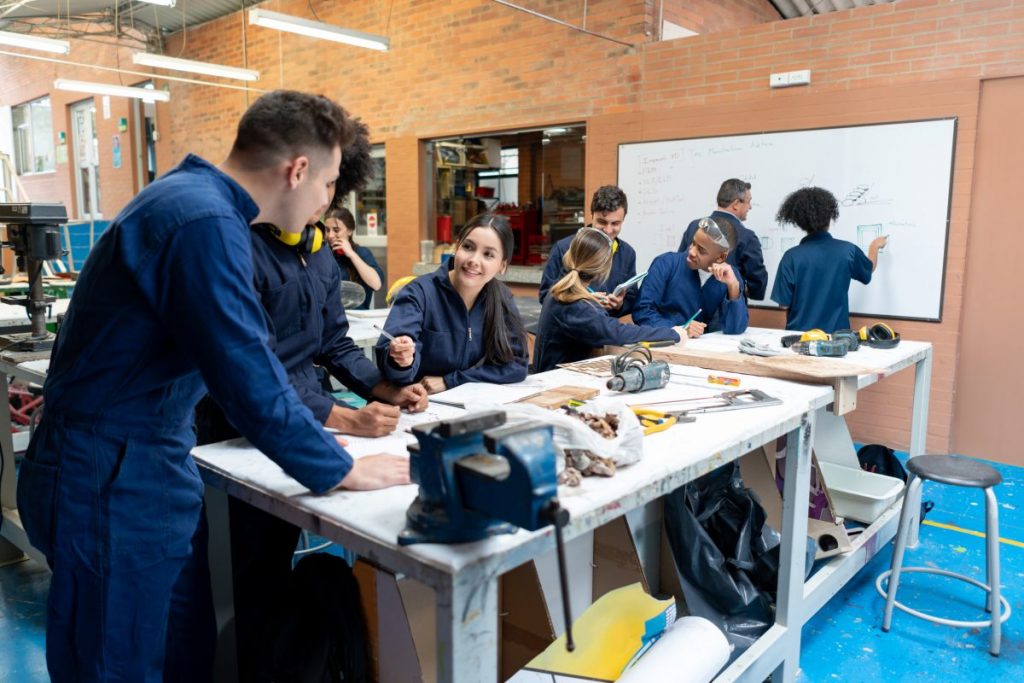
As the TVET sector in South Africa aims to train artisans and technicians for the emerging green hydrogen economy, it must transcend conventional models of skills development.
Training in Uncertainty: Skills Foresight for a Just Green Hydrogen Transition
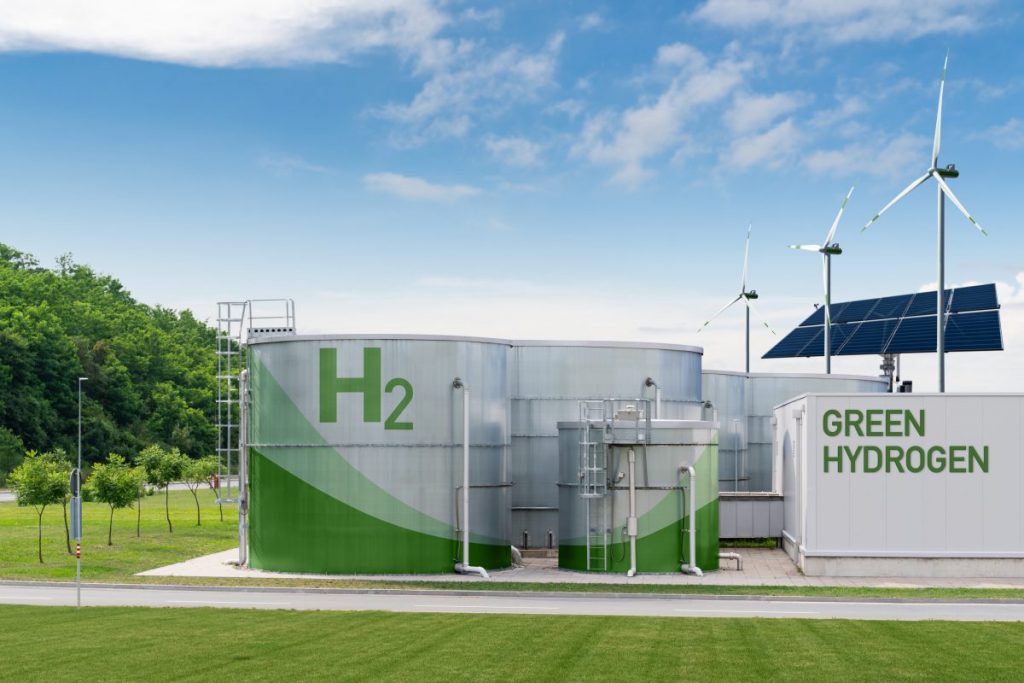
By adopting futures thinking strategies and engaging stakeholders, South Africa can better prepare its workforce for the demands of the green hydrogen economy (GHE) and transform its post-school education and training (PSET) system.
What Are the South Africans Doing in Eastern DRC?
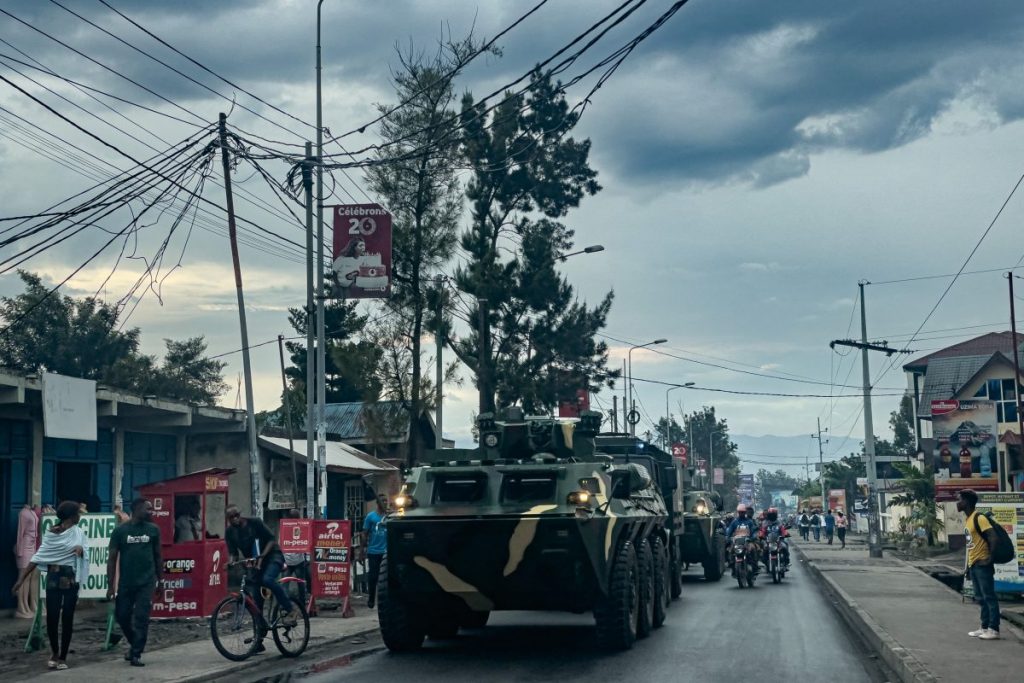
Unlike the SADC contingent that defeated the M23 back in 2013, the SAMIDRC force’s tentative approach to the spreading conflict is raising questions about South Africa’s real motives in mineral-rich Congo.
SAIIA and partners unveil new website for the SA Youth Gender Action Plan (YGAP)
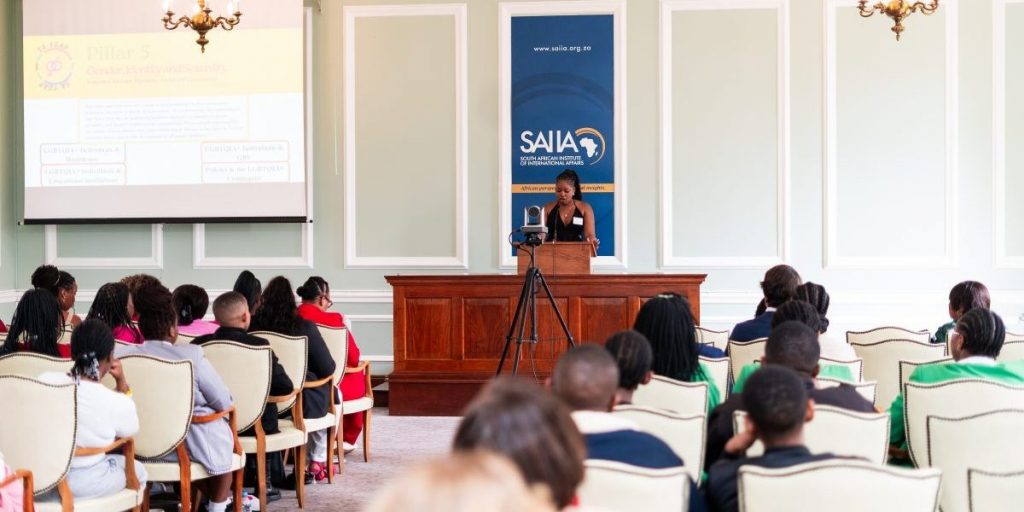
Developed by young people and led by the Youth Policy Committee and convened by Youth@SAIIA, the South African Youth Gender Action Plan (SA YGAP) functions as a roadmap to anchor a vision of what a more equitable, inclusive, and sustainable future should be in South Africa.
Marking a Milestone: 90 Years of SAIIA
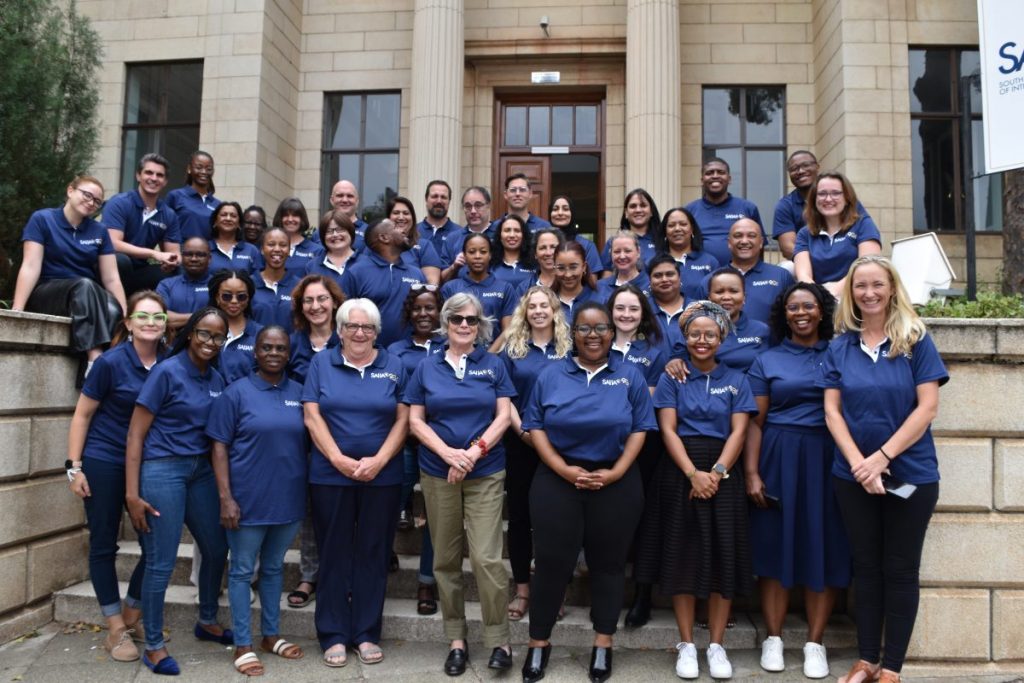
Reflections from our chief executive as SAIIA celebrates its 90th anniversary.
Commissions, Corruption and State Capture: Charting the Way Forward for South Africa

This special report aims to provide a detailed account of the events that led to the establishment of the State Capture Commission and to unpack some of the key findings made in relation to certain state parastatals.
Why the African Union Stopped the Donkey Hide Trade with China
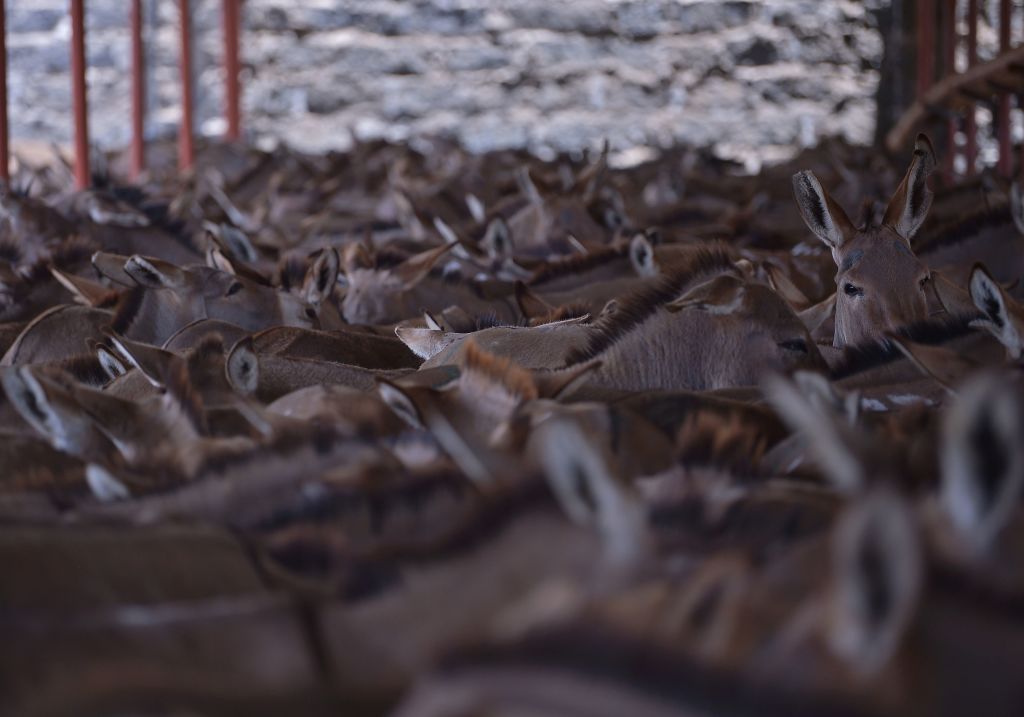
In a blow to China’s ejiao industry, the African Union has imposed a ban on the slaughter of donkeys for their hides.
The Geopolitics of Energy in the Post-COVID-19 Era

South Africa’s engagement with the EU in the realm of energy and geopolitics requires strategic navigation of tension points, the pursuit of a more equitable partnership and the adoption of multi-bilateral approaches.
Systemic Innovations for South Africa’s Energy Futures: Draft Strategic Framework

By engaging with complexity, harnessing the power of leverage points and advocating for strategic interventions, South Africa can position itself as a trailblazer in the global pursuit of just and equitable energy transitions.
The Impact of the CBAM on African Economies and the Role of the AfCFTA

While the CBAM is primarily advocated as a mechanism to level the playing field for the EU’s domestic industry, its loftier goal is to enhance global climate ambitions by encouraging countries to strengthen their domestic decarbonisation policies.