

Development and Climate Change…Convergent or Divergent? A Look at South Africa’s Coal Dependency and its Green Targets

Climate change mitigation is a difficult process for developing nations because immediate and urgent developmental concerns, such as poverty eradication and economic growth, often appear to be at odds with long-term climate concerns.
South Africa-China Relations: Getting Beyond the Cross-roads?

President Zuma’s visit to China this week completes the series of state visits to the BRICs that began in October 2009 in Brazil.
Global Financial Reform and its effect on SACU Trade in Financial Services
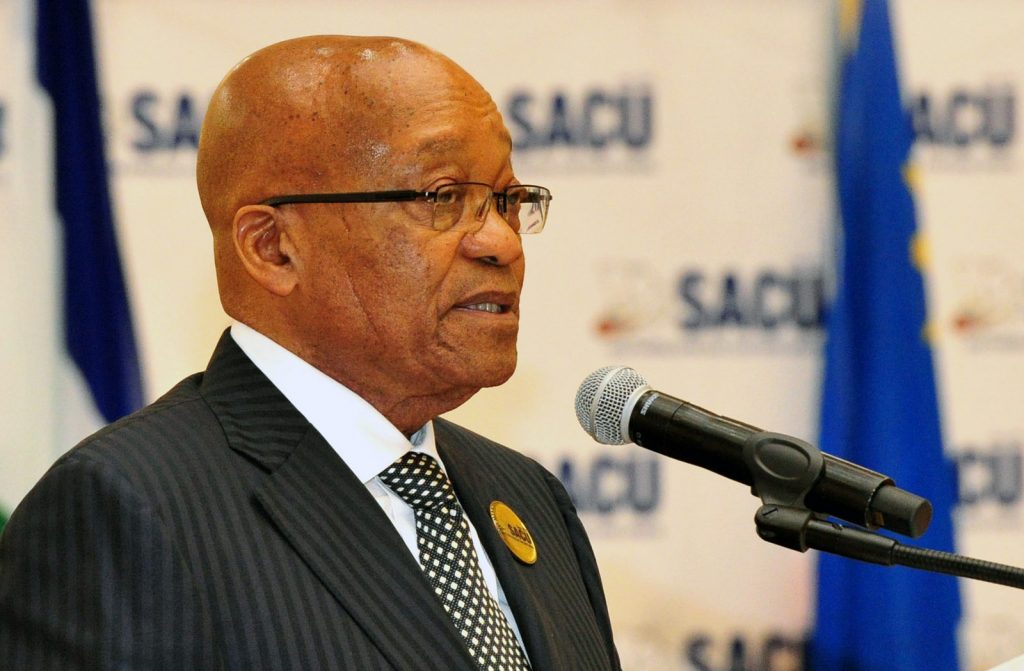
The South African Institute of International Affairs cordially invites you to the Workshop on Global Financial Reform and its effect on SACU Trade in Financial Services
The Global Economic Situation and the EU’s Economic Reforms
The South African Institute of International Affairs cordially invites you to a Speaker’s Meeting to be addressed by Honourable Jyrki Tapani Katainen, Minister of Finance and Deputy Prime Minister of Finland on “The Global Economic Situation and the EU’s Economic Reforms”.
The Politics of Constitution-Making and Referendum: the Case of Kenya and Zimbabwe

Following the post-election violence which claimed the lives of over 1 000 Kenyans in December 2007, Kenyans flocked to the polls on 4 August 2010 to vote on a new constitution for the country.
China’s Exceptionalism in Africa: from Rhetorical to Substantive Difference?
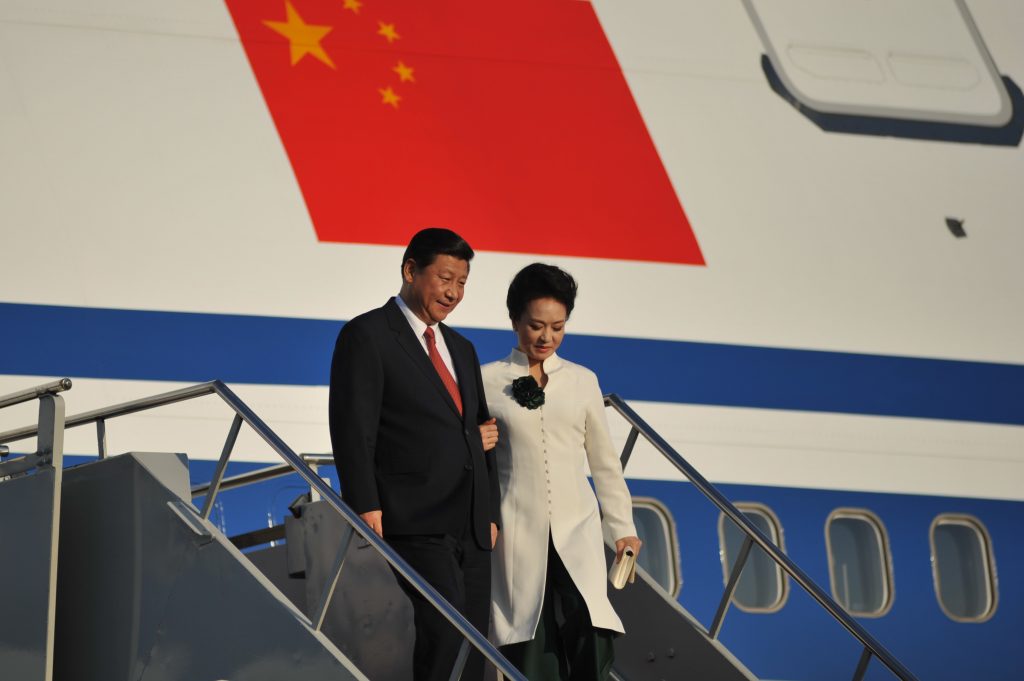
African leaders increasingly recognise the necessity of closer ties with the rising economic giant, calling for a concerted effort to better utilise the opportunities presented by China.
The African Peer Review Mechanism: Positive Governance Strides in the Right Direction?
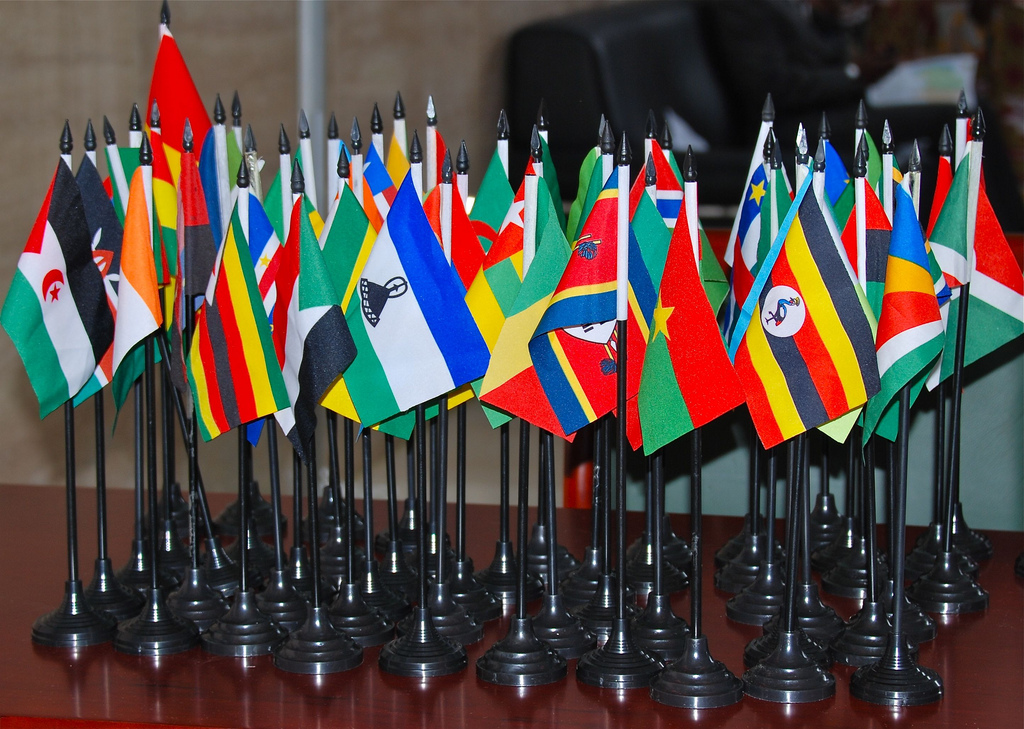
On 24 July 2010, Africa’s leaders gathered for the 13th meeting of the African Peer Review Mechanism (APRM) Forum, on the shores of Lake Victoria.
Trade, Industrial Policy and Exchange Rates in South Africa

South Africa’s trade, industrial and exchange rate policies have been the subject of substantial public debate in recent months, not least owing to the impact of the 2008–10 global financial crisis.
Transparency in Trade Policymaking: Lessons for South Africa from Australia’s Experiences
Trade policy reform in the form of trade liberalisation is a very important tool for raising living standards and improving a country’s economy.
US Ambassador Gips Speaks at SAIIA

SAIIA’s launch of its individual membership took place on 18 August with a keynote address by US Ambassador, Donald Gips.