

Protesting in 140 keystrokes: Twitter and the Iranian Unrest

When Twitter – the world’s latest social networking phenomenon – made the cover of Time Magazine’s 15 June edition, journalist Steve Johnson mused ‘Just 140 characters?
APRM Forum in Libya: Few Surprises, Unanswered Questions
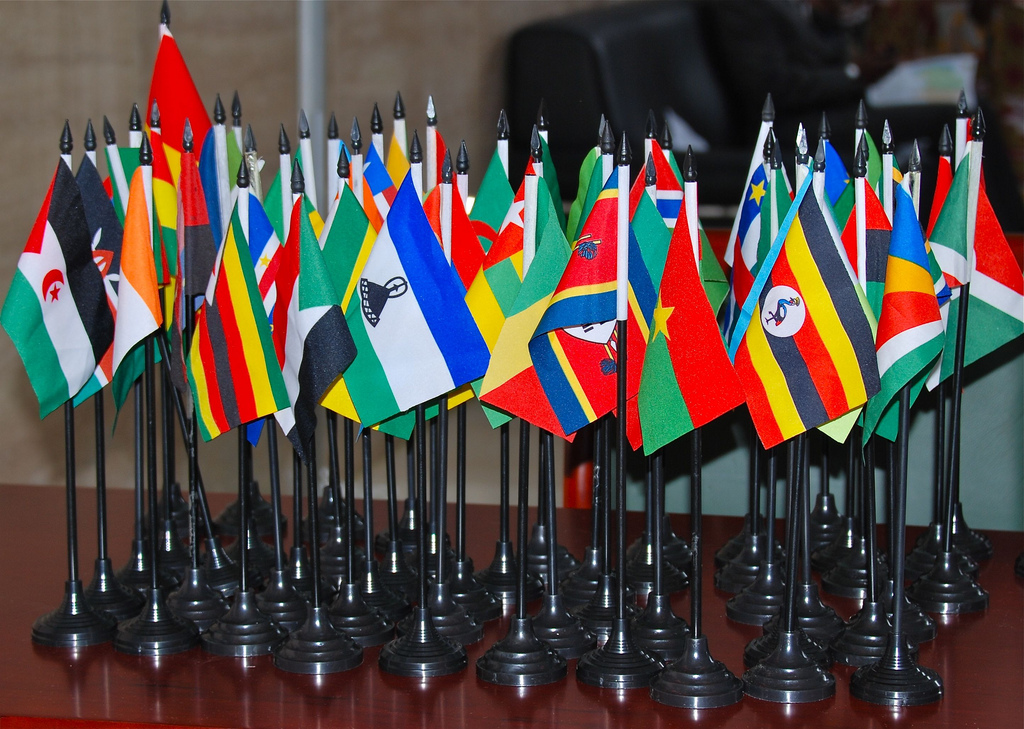
A day ahead of this year’s African Union summit in Libya, the 11th meeting of the forum of the African Peer Review Mechanism (APRM) took place in the sweltering seaside town of Sirte.
Rwanda on Independence Day: Not Quite Free?

As Rwanda celebrates its independence on Wednesday, it stands as one of those African countries which appears on the face of it to be working well, despite pursuing a homegrown style of democracy which has attracted international criticism for being authoritarian.
National Perspectives on Global Leadership: South Africa
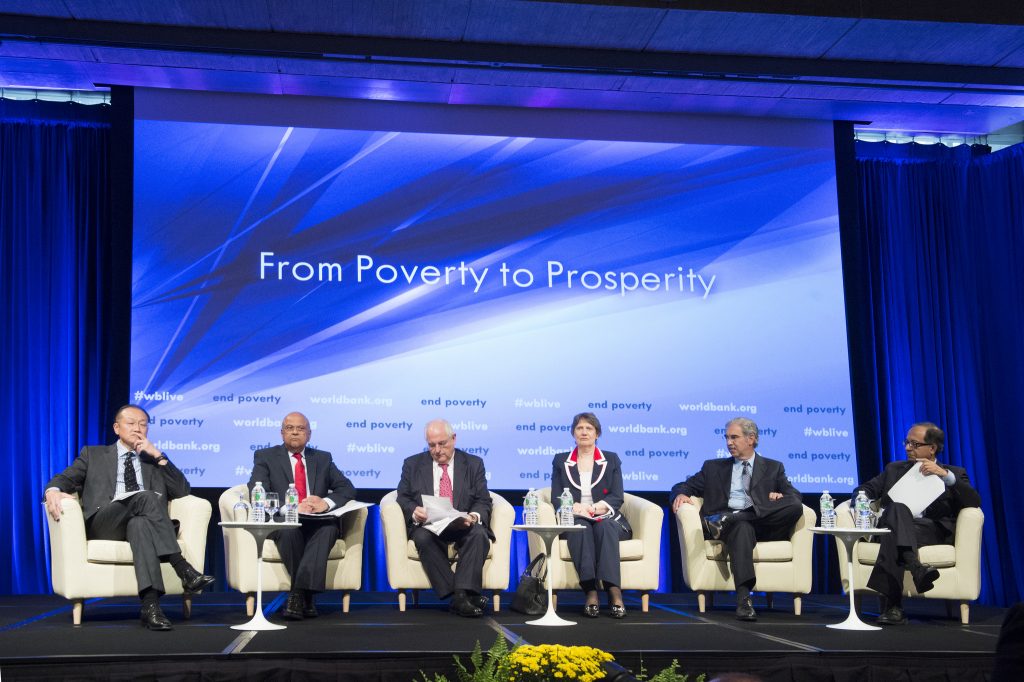
The South African economy is heading for its first recession since 1992, after 16 years of uninterrupted, albeit somewhat anemic, growth.
From Fatigues to Three-Piece Suits: East African Guerrillas in Power
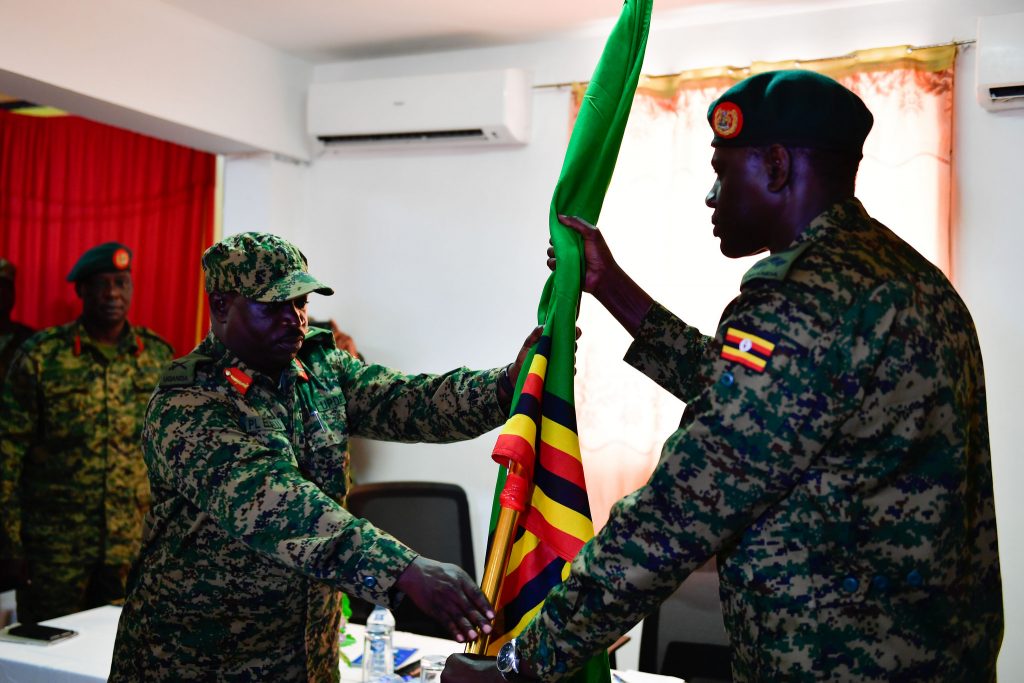
Since decolonisation in African countries ethno-political differences have led to guerrilla warfare. Through these movements, authoritarian regimes have been created.
The African Peer Review Mechanism – Progress and Prospects
On 30 June 2009, as African leaders gather on the sweltering, dusty shores of the Mediterranean in Sirte, the hometown of Libyan President Muammar al-Gaddafi, for the 13th Summit of the African Union, some early birds will attend another vital meeting on the fringes.
Seeing the Wood for the Trees: Forestry Governance in the DRC

This case study on forestry governance in the Democratic Republic of Congo (DRC) forms part of a three-year project entitled Strengthening the Governance of Africa’s Natural Resources, conducted by the Governance of Africa’s Resources Programme (GARP) of the South African Institute of International Affairs (SAIIA).
Le pouvoir du peuple : Comment la société civile est parvenue à bloquer une cargaison d’armes destinée au Zimbabwe
En avril 2008, un navire chinois transportant des armes destinées à l’armée zimbabwéenne a tenté de décharger ces armes dans le port de Durban, afin qu’elles puissent être ransportées par voie terrestre jusqu’au Zimbabwe, pays enclavé, en passant par le territoire sud-africain.
People Power: How Civil Society Blocked an Arms Shipment for Zimbabwe
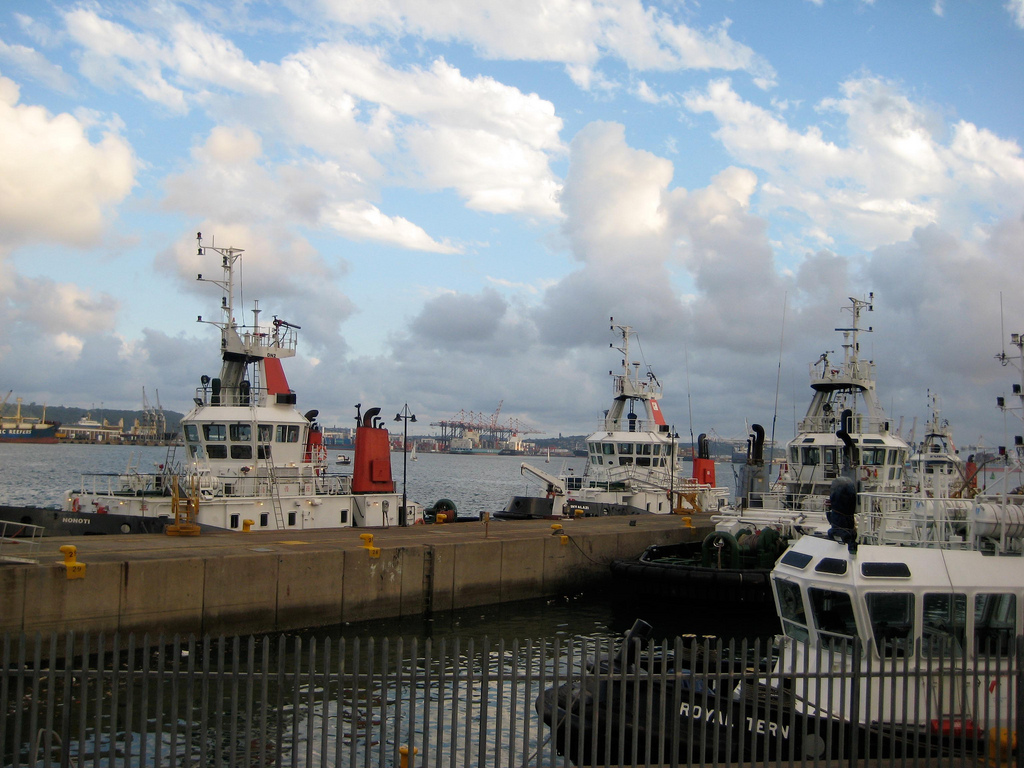
In April 2008, a Chinese ship carrying arms destined for Zimbabwe’s Defence Force attempted to offload those weapons in Durban’s harbour, so that they might be transported across South African territory to land-locked Zimbabwe.
Natural Resource Governance, Boom and Bust: The Case of Kolwezi in the DRC

This paper considers the effects of the successive booms and busts in the mining industry and the commodity markets on the management of natural resources in Kolwezi.