

Africa Trade and Climate Change Dialogue (May 2009)

SAIIA in collaboration with the International Centre for Trade and Sustainable Development (ICTSD) and the International Institute for Sustainable Development (IISD) organized a Regional Trade and Climate Change Consultation in Johannesburg, South Africa, on May 7-8, 2009.
Building on Progress? Chinese Engagement in Ethiopia
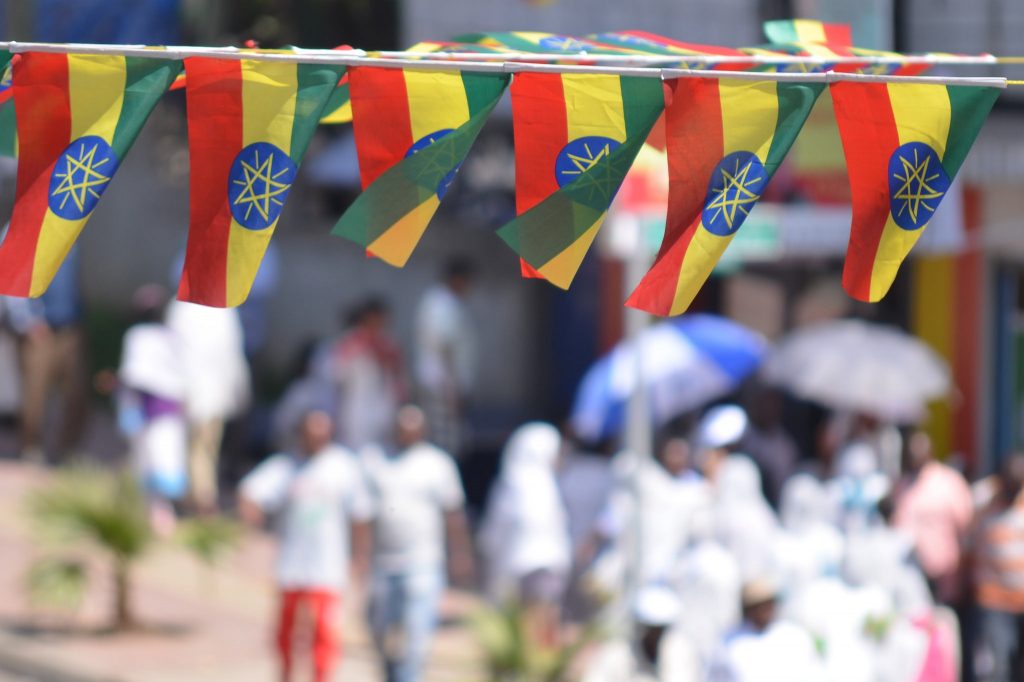
A majority of the growing literature on Sino–African relations focus on China’s relations with resource-rich/economically robust countries or unsavoury regimes.
Africa: Taking the Gap in Modern Economic Theory
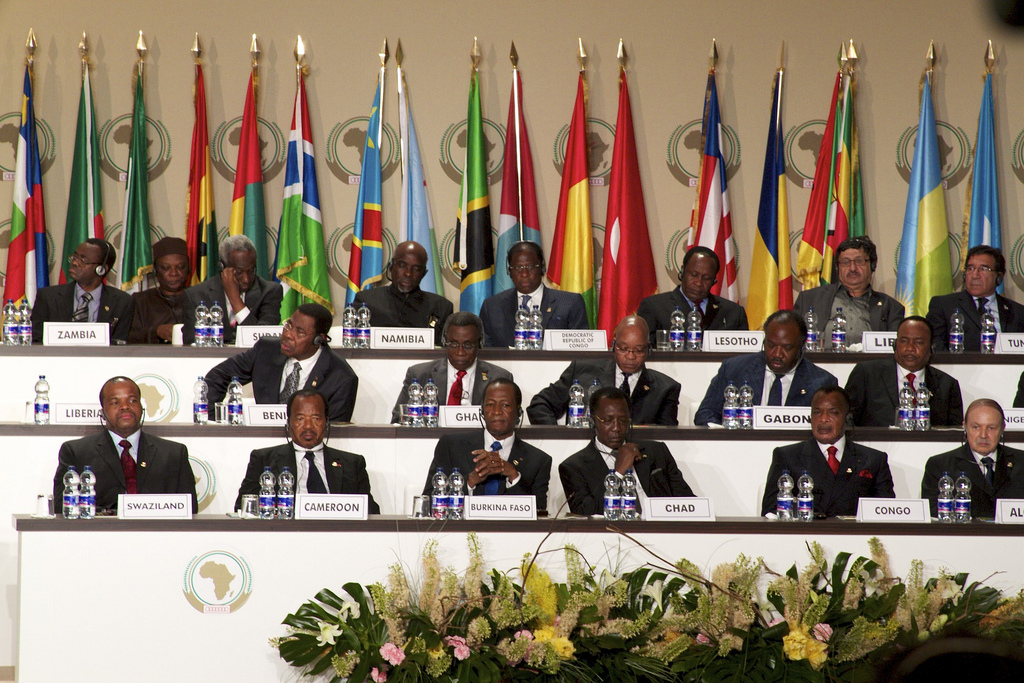
The air is clearing after the spectacular financial crisis, markets are once again picking up, but will it be business as usual?
Pay more now for a brighter energy future

The manner in which Eskom has been criticised for its proposed tariff hike can best be described by the West African saying that “for as long as the lion does not have a story teller, the hunter’s opinion will always dominate the story”.
US-Africa relations: The modest foundations of Obama’s four-pillar platform

US PRESIDENT Barack Obama is the methadone of the US’s international relations rapid rehab programme.
Are We Sleepwalking Into a Surveillance Society?

From 1 July 2009 cellphone service providers in South Africa cannot activate a new SIM card without the full name, address and identity number of the customer.
On the future of the Southern African Customs Union
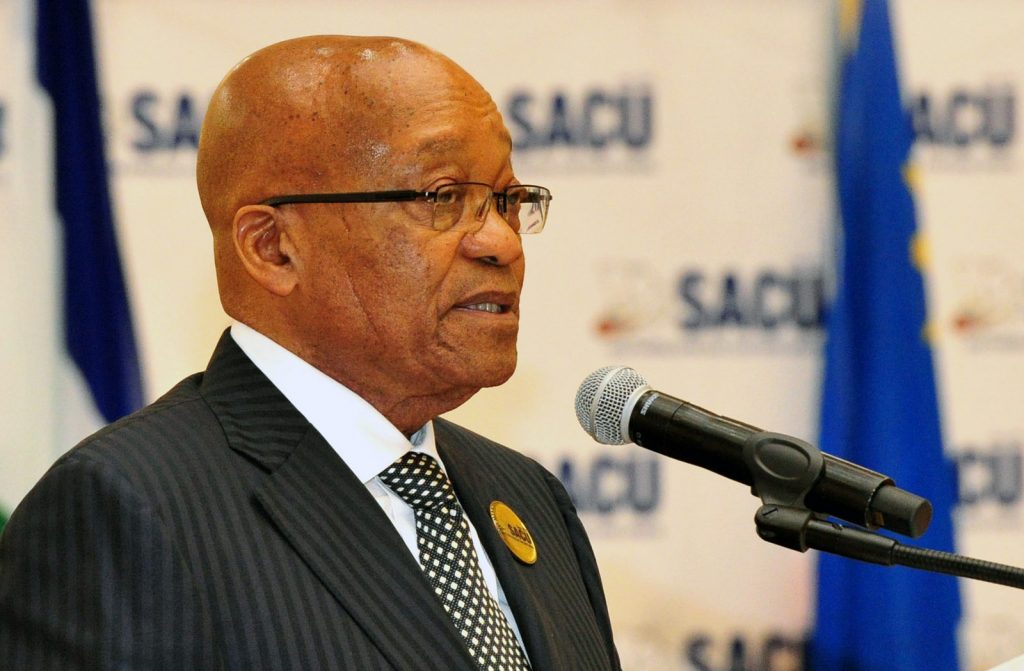
Tensions over the future of the Southern African Customs Union (SACU) and trade relations with the European Union (EU) are rising, as recently reflected on these pages. Unfortunately they are so complex that they defy simple categorisation.
Russian President Medvedev’s Visit to Africa, June 2009

In a short period of less than a month, Russia has sought to assert its role in international forums as a leading player in a multipolar world.
Malawi at 45: More than Madonna’s Hunting Ground
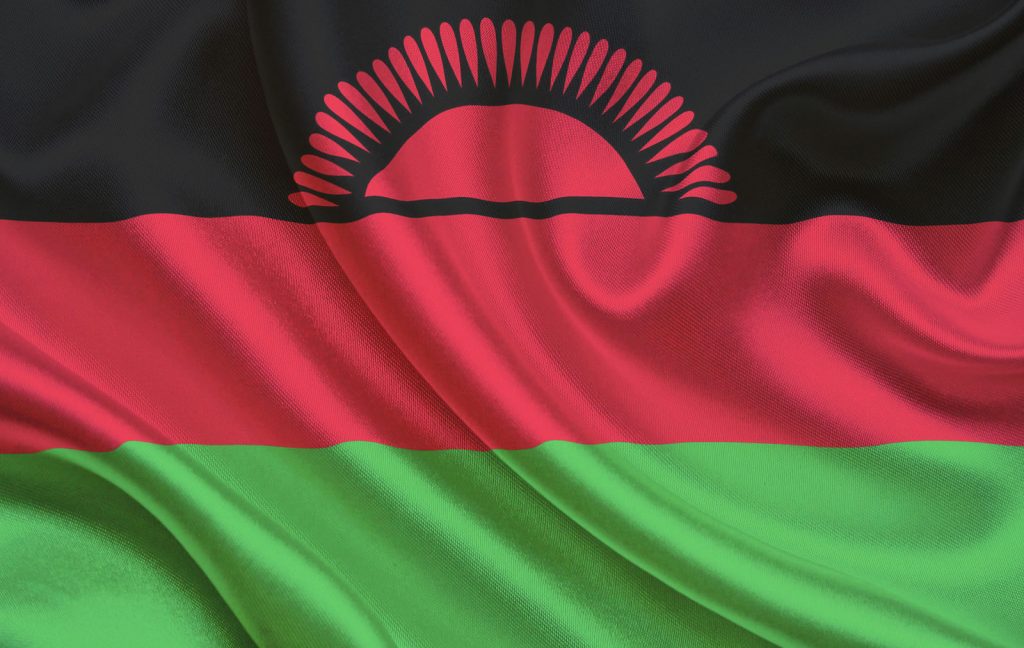
Malawi has been in the headlines, following pop-star Madonna’s battles to adopt a second child from this tiny, landlocked southern African state.
Looking Beyond Conflict and Economic Crisis in the DRC
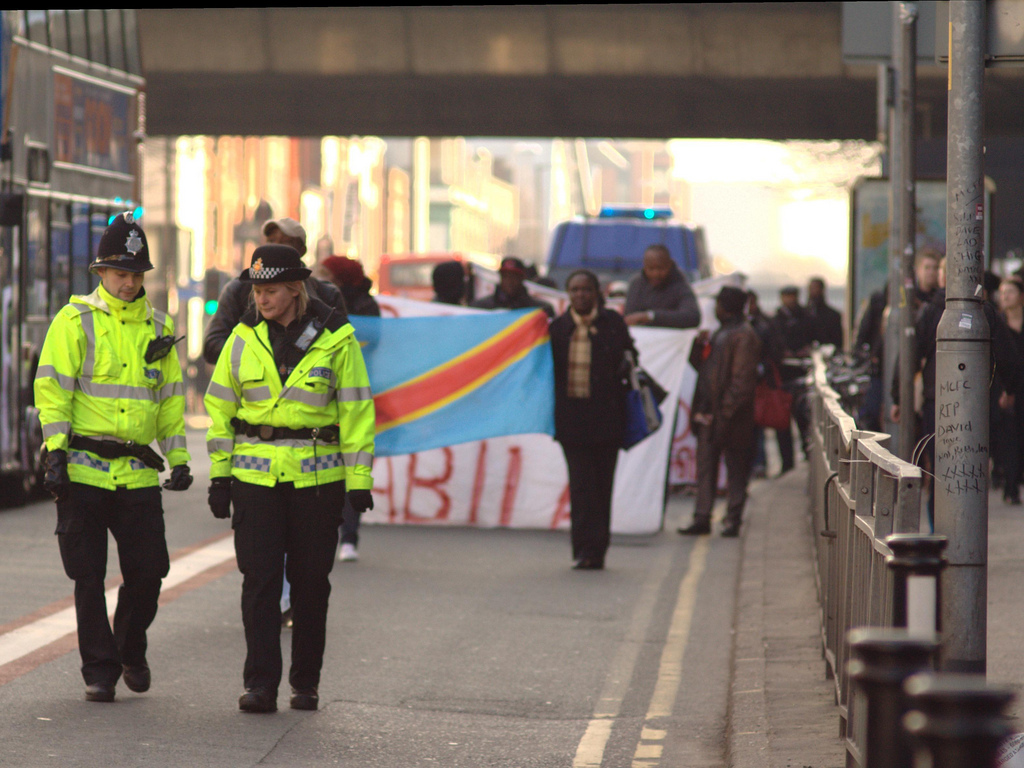
The Democratic Republic of Congo (DRC) on 30 June was one year short of its 50th anniversary of independence.