
Tanzania: Empowering Youth Through Innovation and Inclusion

Public and private stakeholders in Tanzania should prioritise and invest in technological transformation across sectors.
Zambia: Youth at the Heart of Innovation and Transformation

By fostering youth participation in civic space, addressing youth unemployment through entrepreneurship, pursuing climate change mitigation and ensuring technological accessibility, Zambia can pave the way for a more inclusive and prosperous future.
COVID-19 and Socioeconomic Vulnerability

According to World Bank projections, for the first time in 20 years, extreme poverty increased across the world in the wake of the COVID-19 pandemic, with 70 million more people falling into poverty.
The Future of South Africa’s Nuclear Energy Post-123 Agreement
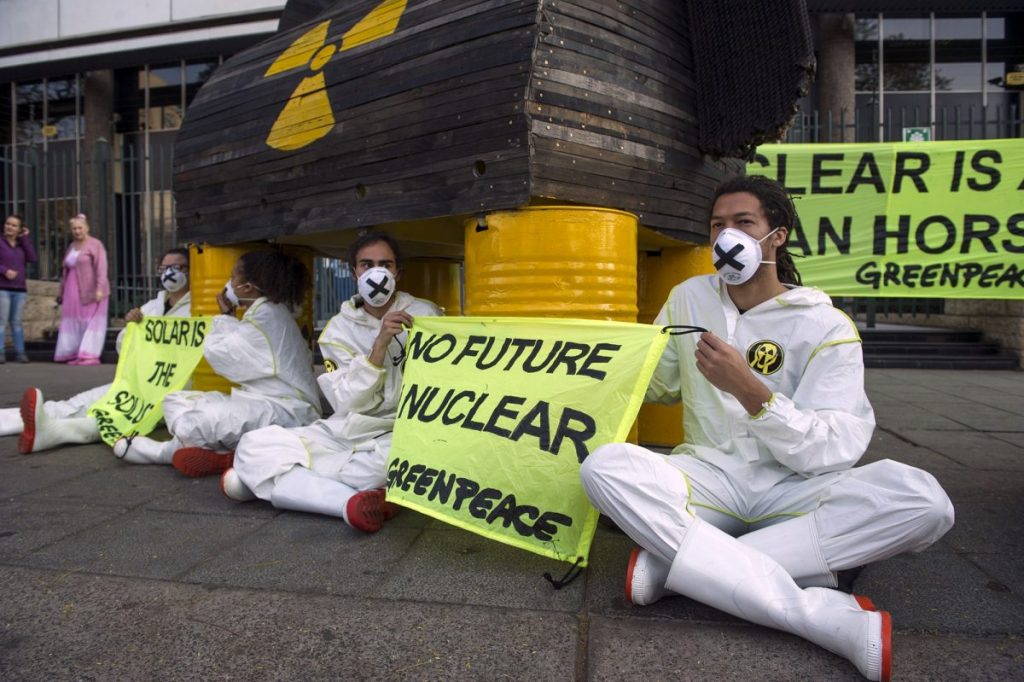
The plant at Koeberg is the only current nuclear power station in Africa and is responsible for roughly 6% of South Africa’s total electricity production.
How Can the G20 Support Africa’s Energy Transition and Sustainable Financing Priorities and Concerns?
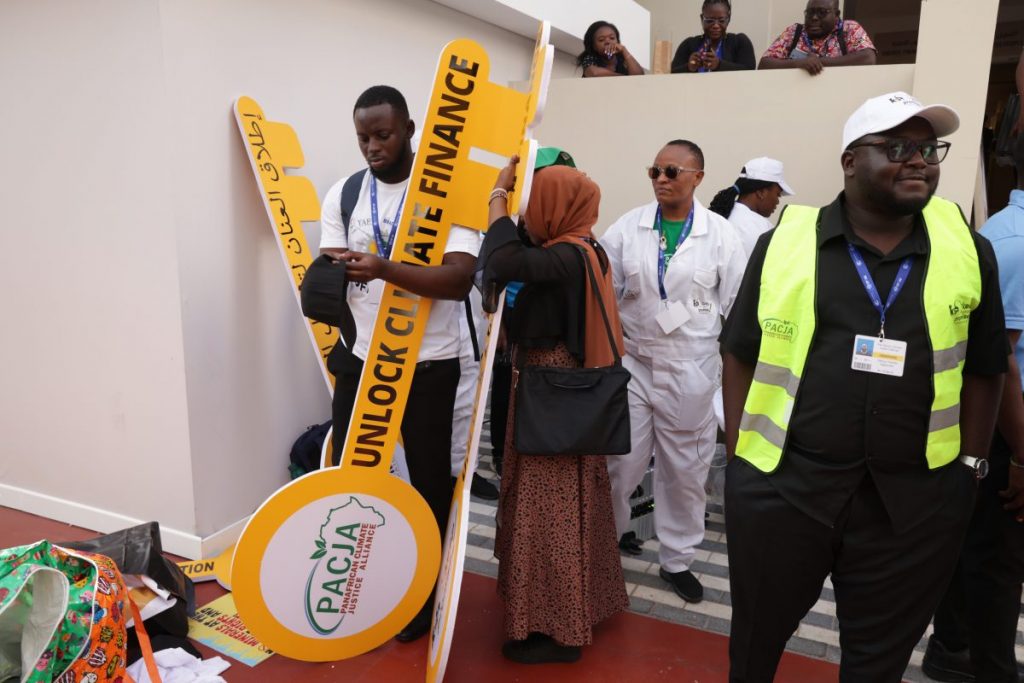
Given the influence of the G20 in global affairs and Africa’s recent admission to the group, it also represents an important forum to address Africa’s climate priorities.
Youth and Social Justice Futures: Re-imagining Future Skills and Training in Africa
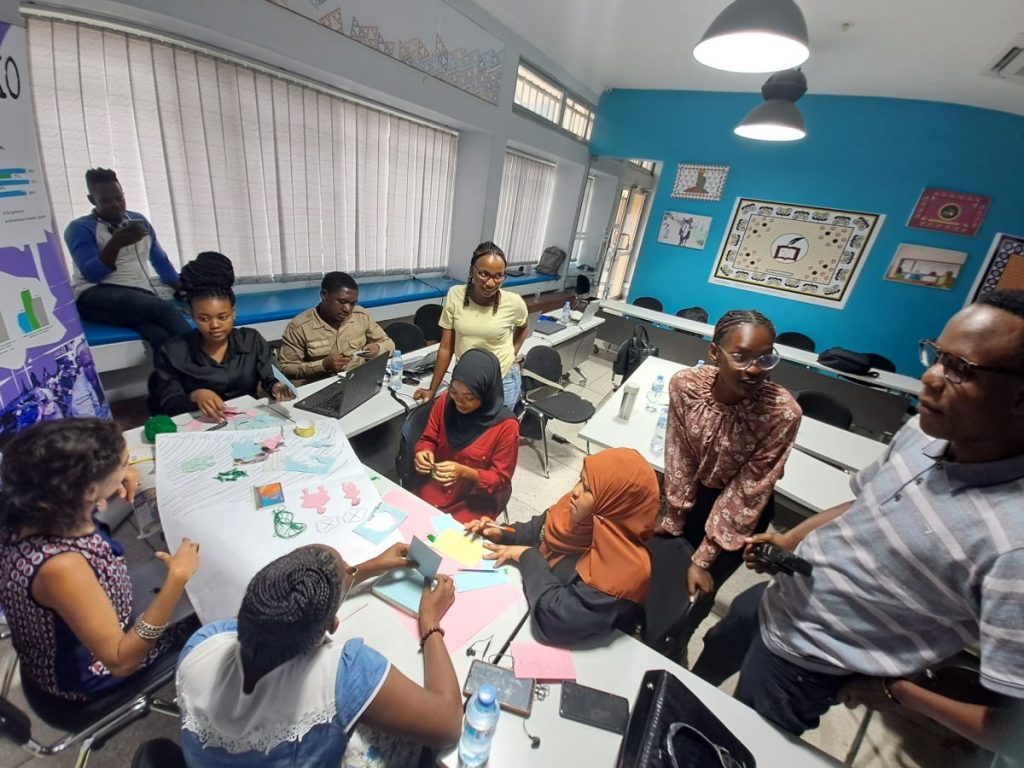
As countries in the region shift attention toward post-pandemic recovery and climate change mitigation, it is important for policymakers to explore futures thinking and foresight approaches to rethink skills training and employment.
Africa’s Debt Priorities: A Sustainability Perspective and Required Support from the G20

The inclusion of the AU in the G20 is a timely and welcome move in addressing the continent’s deepening debt issue.
Development Prospects for Africa in the Context of the Global South

With the world’s youngest population (over 60% are below the age of 25), Africa can be the next frontier of investment and growth, taking advantage of the demographic dividend.
South Africa: Realising Youth Futures by Delivering on Promised Goals
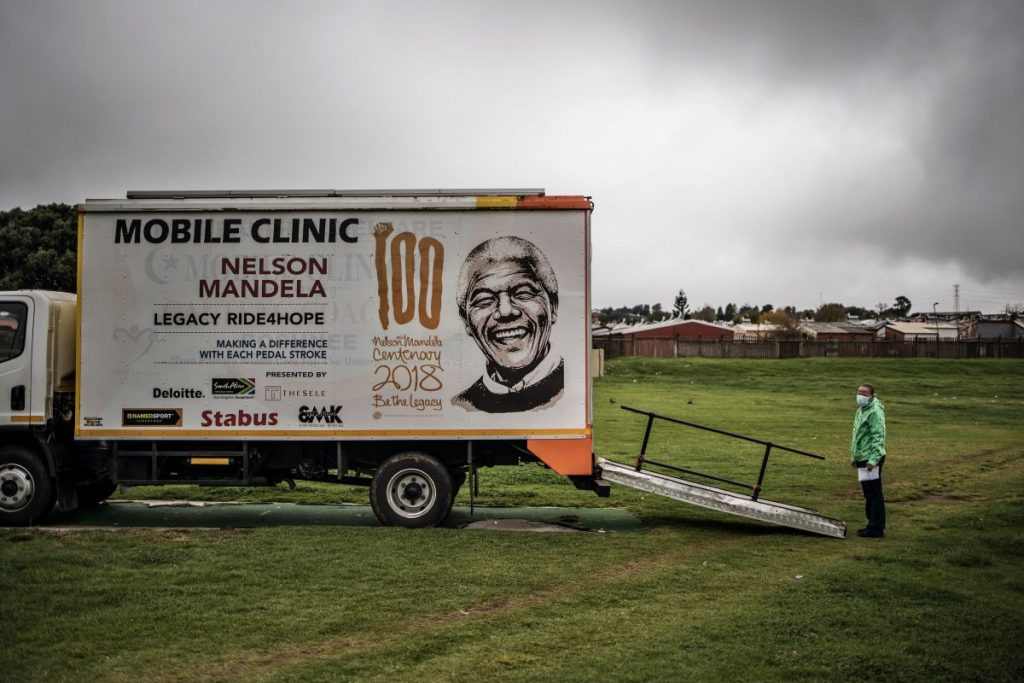
Youth unemployment reflects a skills–demand mismatch, which is largely owing to the poor quality of education and training most South African children and youth receive
Kenya: Leveraging Youth for Inclusive Development and Resilience

Kenya’s future trajectory depends on how well it leverages its strengths while addressing persisting weaknesses. Investing in infrastructure, education, healthcare and technology is vital to harness its capacities fully.