
Beyond Bread: Ukraine-Africa Diplomacy
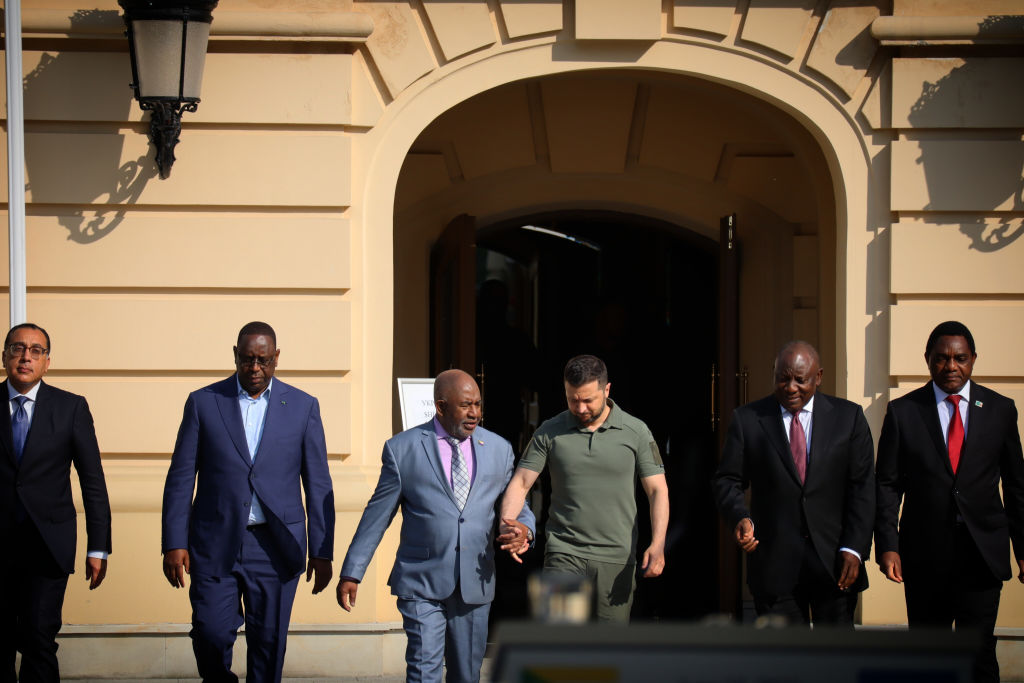
Much has been made of Ukraine’s importance to food security. Prior to the invasion, the country was Africa’s second-largest external supplier of maize and third-largest external supplier of wheat.
The Hunan Model: China’s Zone for the China–Africa Future
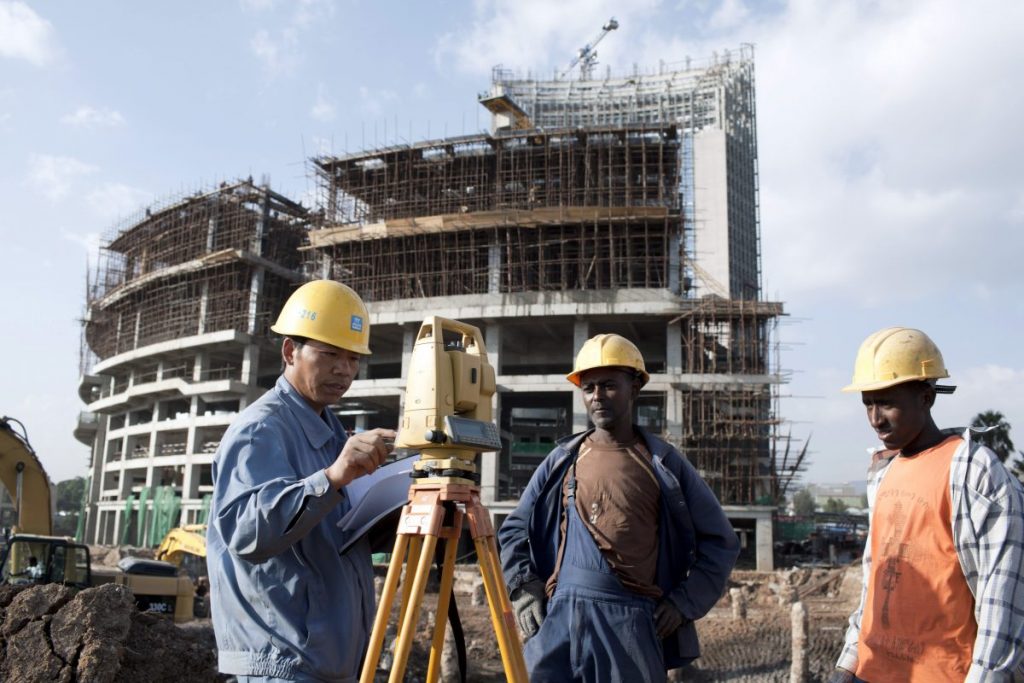
Wider availability of finance means that China is now Africa’s leading infrastructure services provider, and that some African countries are precariously exposed to external debt.
The BRICS Local Currency Agenda Has International Implications
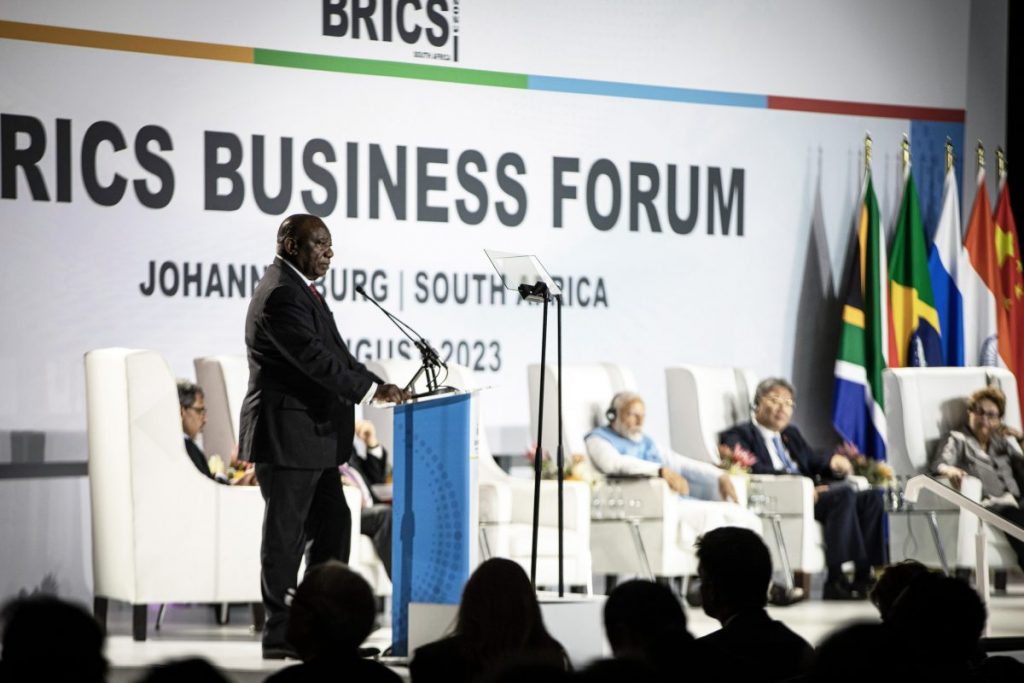
Since BRICS currencies’ usage in the third usage context is limited, these efforts are broadly limited to minimum bilateral intra-BRICS trade levels.
Comparing Environmental, Social and Governance Impacts of Chinese-led Infrastructure Projects in Africa and Southeast Asia
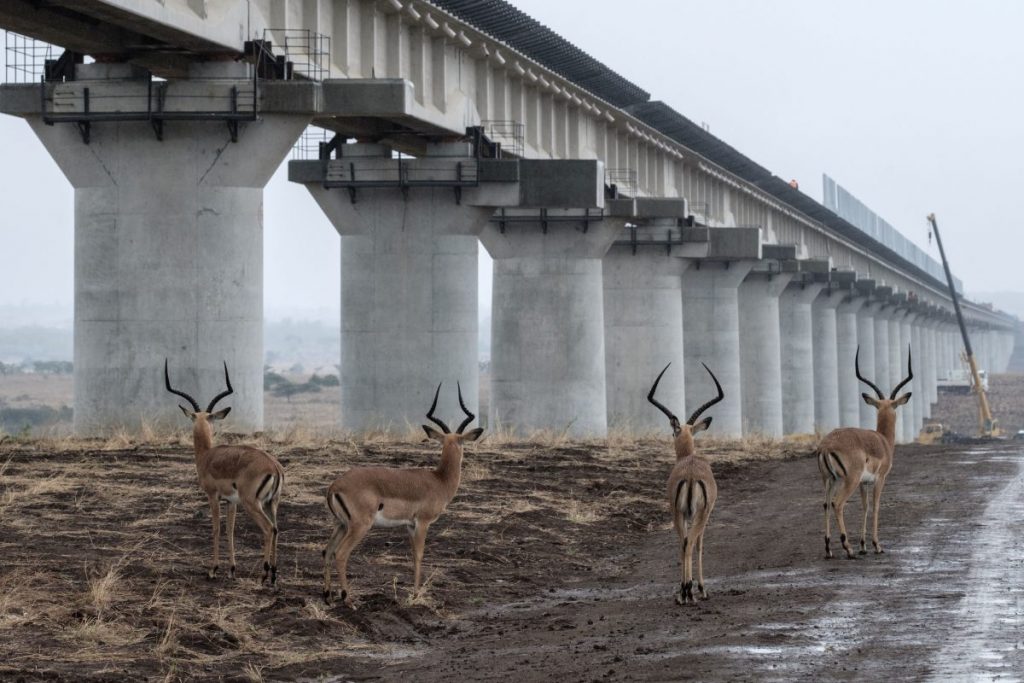
After close to three decades of international expansion, Chinese construction firms work around the world, frequently implementing similar projects in different regions of the Global South.
Launch of the Youth Emergency Guide in Partnership With Youth@SAIIA and UNICEF South Africa
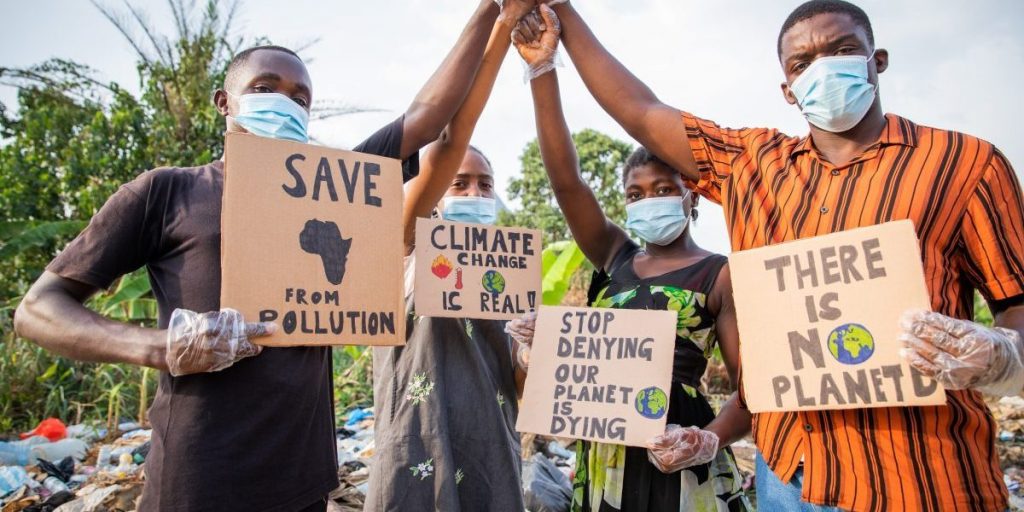
The Youth@SAIIA Team, in partnership with UNICEF South Africa, has launched a youth-focused Emergency Preparedness Guide.
Designing AfCFTA E-Commerce Regulations for Africa’s Development
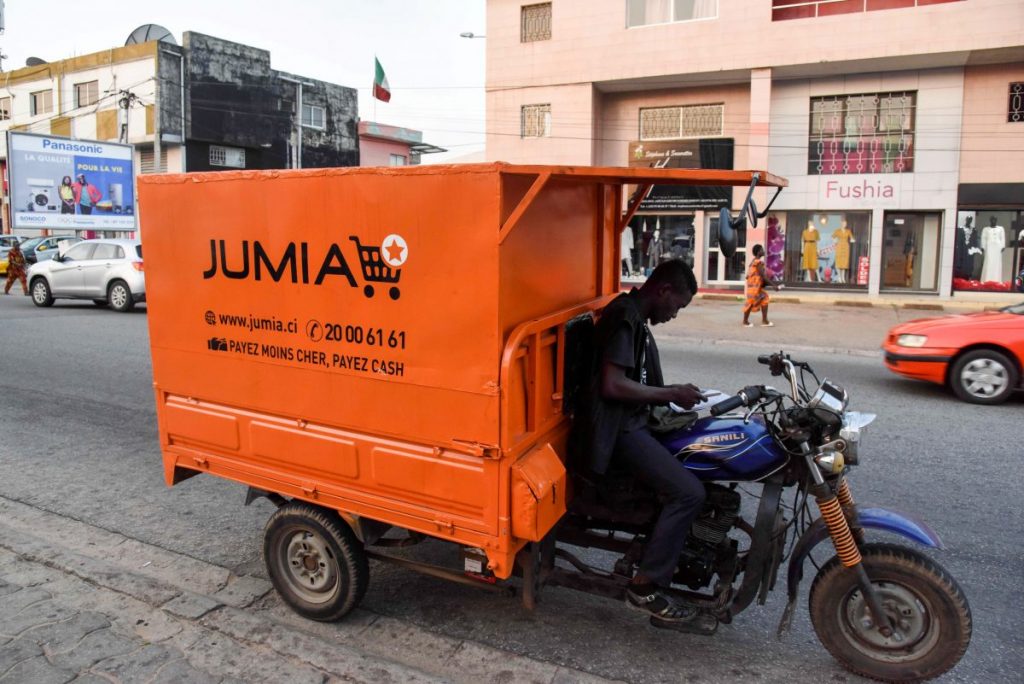
Within the context of global trade disruptions wrought by the COVID-19 pandemic, supporting Africa’s e-commerce development is especially important considering the continent’s current integration and development agenda.
Africa’s COVID-19 Response: A Wasted Opportunity
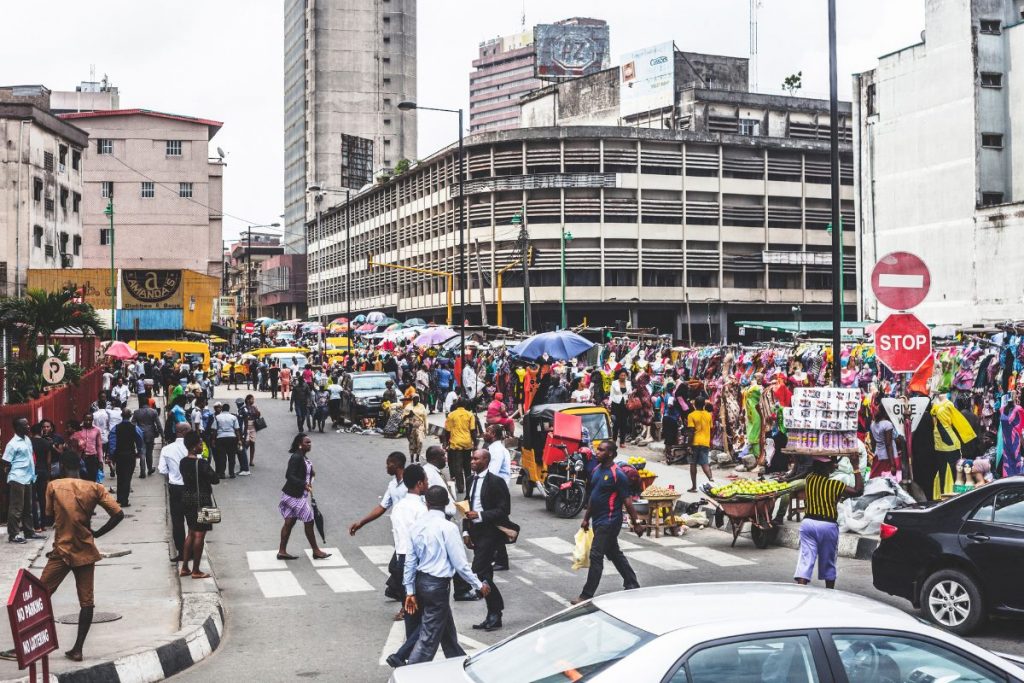
The macroeconomic impact of the COVID-19 pandemic and the policy responses of African governments suggest that the opportunity to foster a green recovery has not been maximised.
Human Rights Abuses and Disinformation: Hallmarks of Wagner, other Mercenary Groups in Africa
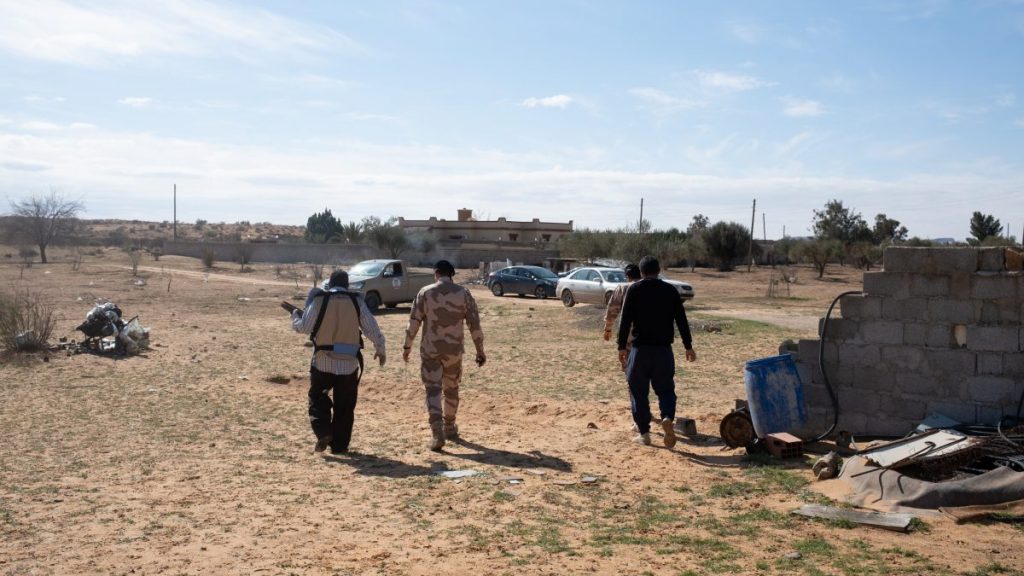
There has been a deafening silence from the African Union and influential states such as South Africa on the activities of Wagner on the continent.
Benin’s Nationally Determined Contributions and its Economy

The greatest progress made towards setting more ambitious nationally determined commitments (NDCs) for Benin was in the energy and agricultural sectors.
SAIIA Annual Review: 2021/2022
Our annual report takes a look back at SAIIA’s activities and achievements over the past year.