

China-Driven Rail Development: Lessons from Kenya and Indonesia

China’s considerable success in expanding its domestic railway network, especially its high-speed rail capacity, has drawn the attention of Global South governments.
Ensuring a Just Energy Transition through Hydrogen: How the G20 can Support Africa

Africa is well positioned to become a major hub in the global production of green hydrogen. This policy insight explores G20 members’ recognition of green hydrogen as a
key technology in decarbonising hard-to-abate carbon-intensive industries.
African countries are stuck on the free movement of people. How to break the logjam
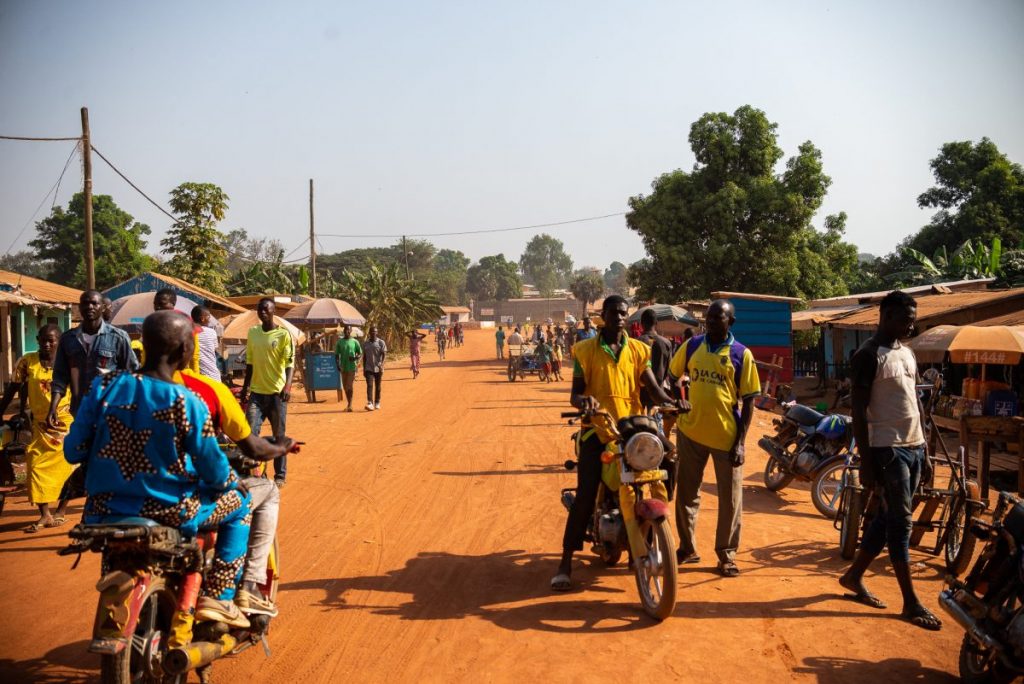
Most African countries signed onto the Free Movement of Persons protocol in Addis Ababa in January 2018. Its rationale was set out clearly: the free movement of people – as well as capital goods and services – would promote integration and herald in a host of other benefits. These included improving science, technology, education, research and fostering tourism. In […]
Russia’s Resurgent Interest in Africa: The Cases of Zambia and Tanzania
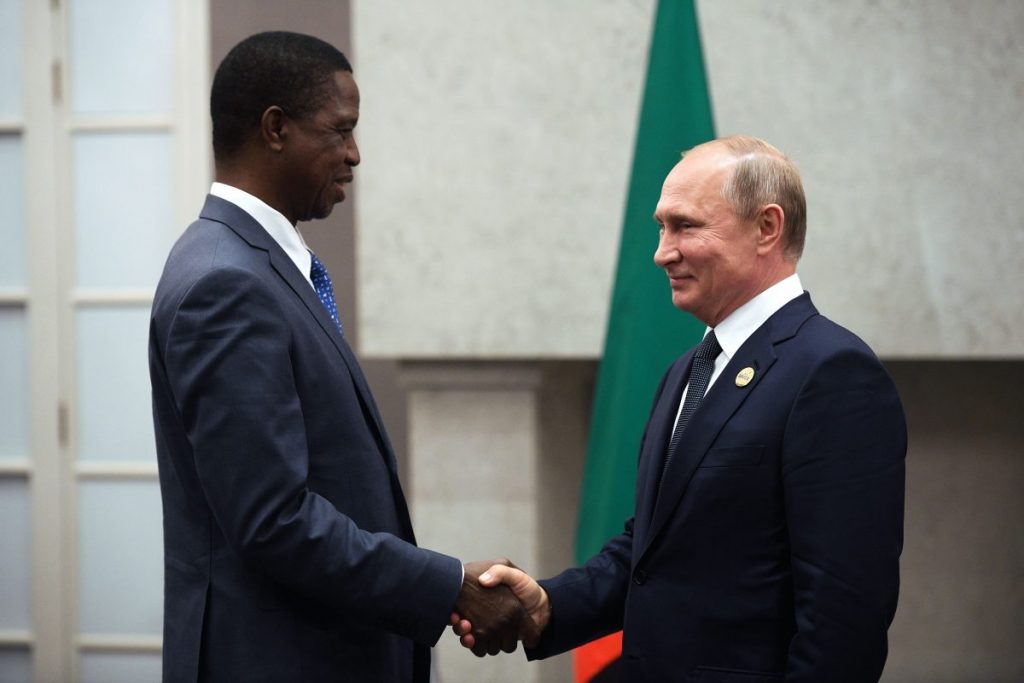
The Russia–Africa Summit heralded Russia’s new strategy for the continent. Despite the pandemic, Russia has established a number of institutions that should take the implementation of its strategy forward.
Dangerous militarisation makes peace elusive
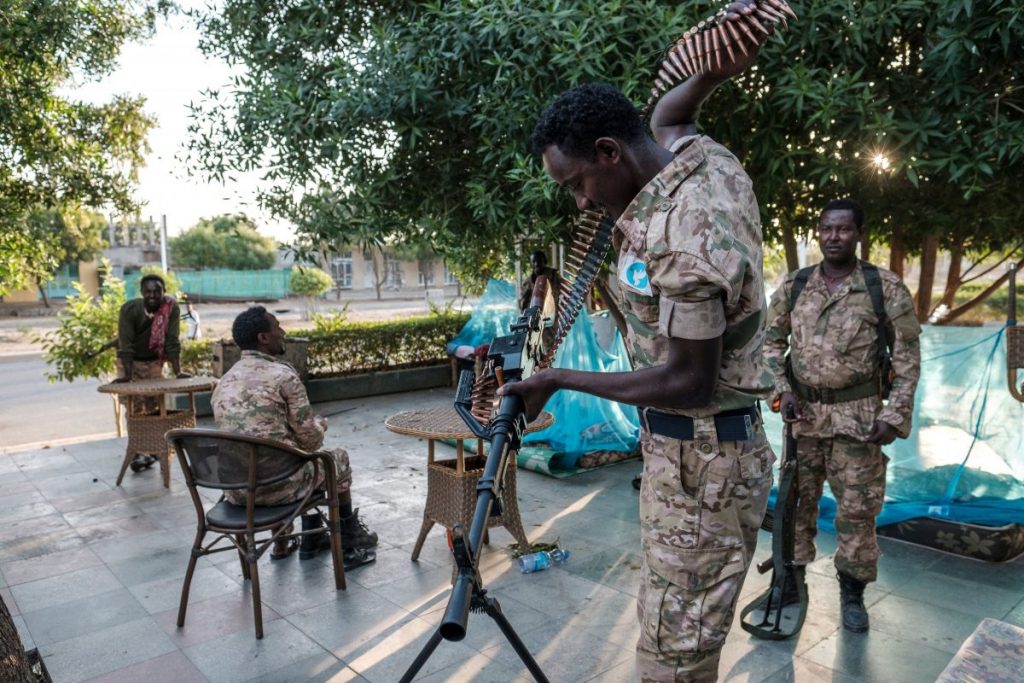
A year has passed since Ethiopia’s prime minister, Abiy Ahmed, ordered a military offensive in the country’s northern Tigray region, after an attack on a federal army base in November 2020.
Africa’s COVID-19 Recovery Challenge: How the G20 can Bridge the Development Financing Gap
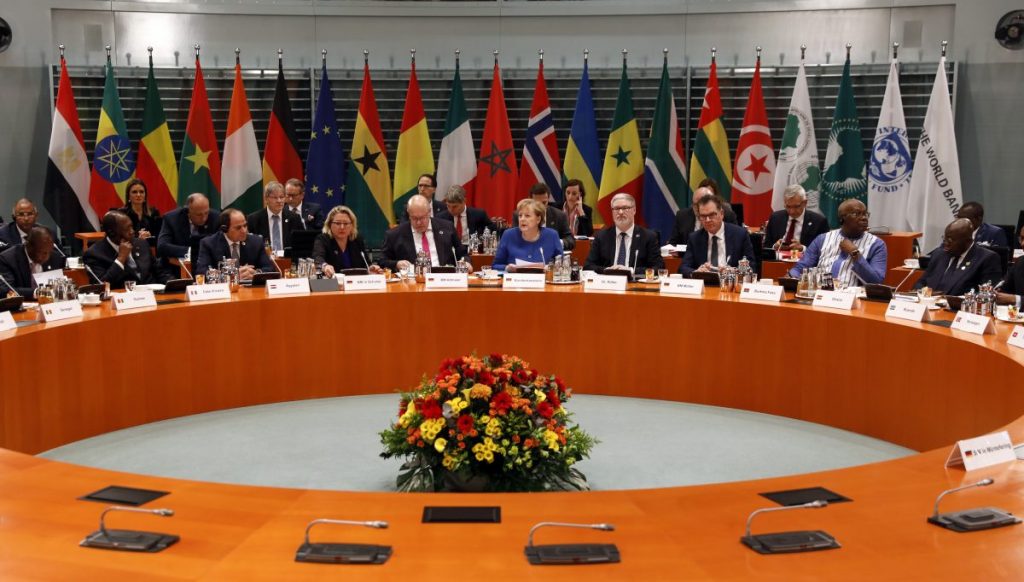
Having been pummelled by the effects of COVID-19, developed and developing countries are pursuing strategies to accelerate their recovery process and to bolster their health systems and economies against future crises.
Strengthening Tax Cooperation with Africa for Sustainable Revenue Mobilisation
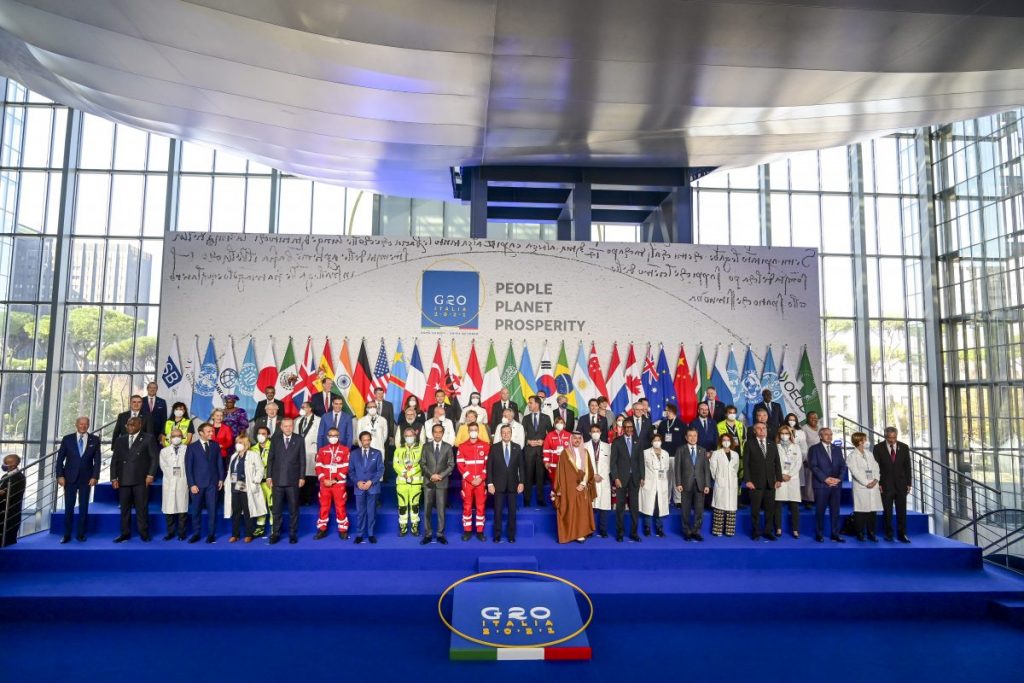
The current global taxation framework is extremely fragmented and filled with inconsistencies which allow multinational corporations to pay less than their fair share of taxes in the jurisdictions in which they operate.
China-Driven Coal Power: Lessons from Zimbabwe and Indonesia

China’s funding and construction of coal-fired power plants in the Global South has long been one of its most controversial forms of infrastructure outreach.
Russia and China in Africa: Prospective Partners or Asymmetric Rivals?
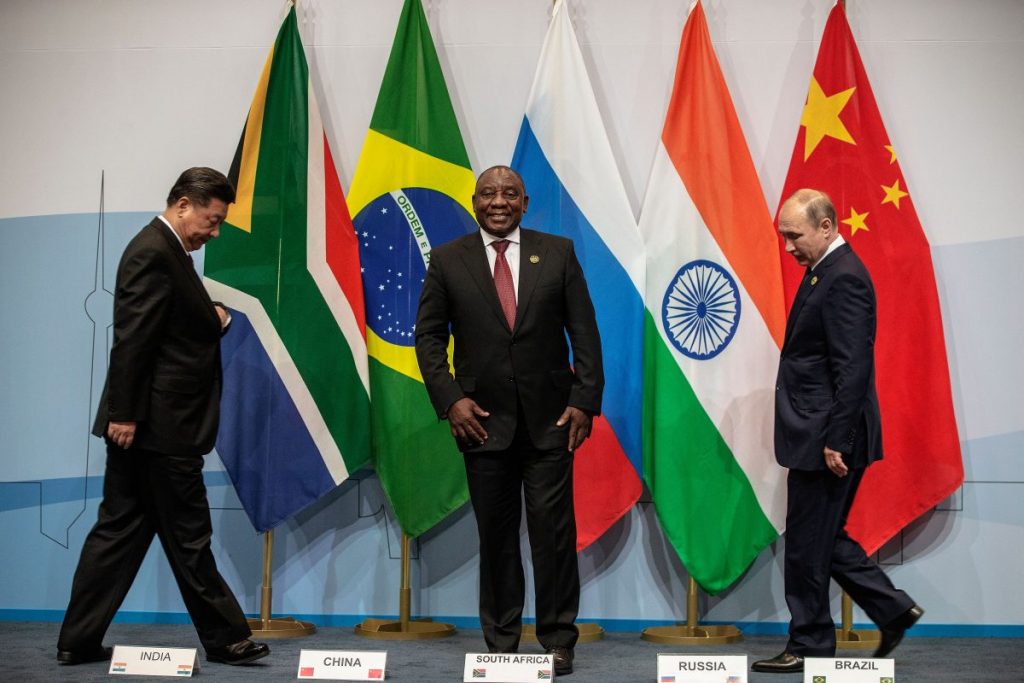
Since 2000, China and Russia have established their standing as resurgent great powers in Africa. The expansion of China’s influence in Africa has been undergirded by its economic might.
China-powered ICT Infrastructure: Lessons from Tanzania and Cambodia

China has become one of the most important funders of information and communications technology (ICT) networks across the Global South, and Chinese contractors are deeply involved at all levels of ICT and mobile telecom provision.