

Turkey and the shifting geopolitical sands of North and East Africa

In the last few months Turkey’s actions in North Africa and the greater Middle East have confirmed it as an important regional power.
SAIIA Highlights: 2018/19

We are delighted to launch our latest annual report, which is now available exclusively online.
Japan and China’s Summit Competition in Africa

Japan and China play a dual role in Africa. Firstly, they both have direct relationships with Africa, as two of the continent’s most important development partners.
Cybercrime and data privacy: How Africa can up its game

Africa is the fastest-growing continent when it comes to internet penetration.
Marine and coastal EbA for enhanced resilience in Southern Africa country review: Tanzania

Tanzania’s coastal zone is home to approximately 10 million people, many of whom are highly dependent on coastal and marine resources, and the ecosystem services they provide.
G20 compact with Africa: Consolidating and accelerating Rwanda’s transformation agenda
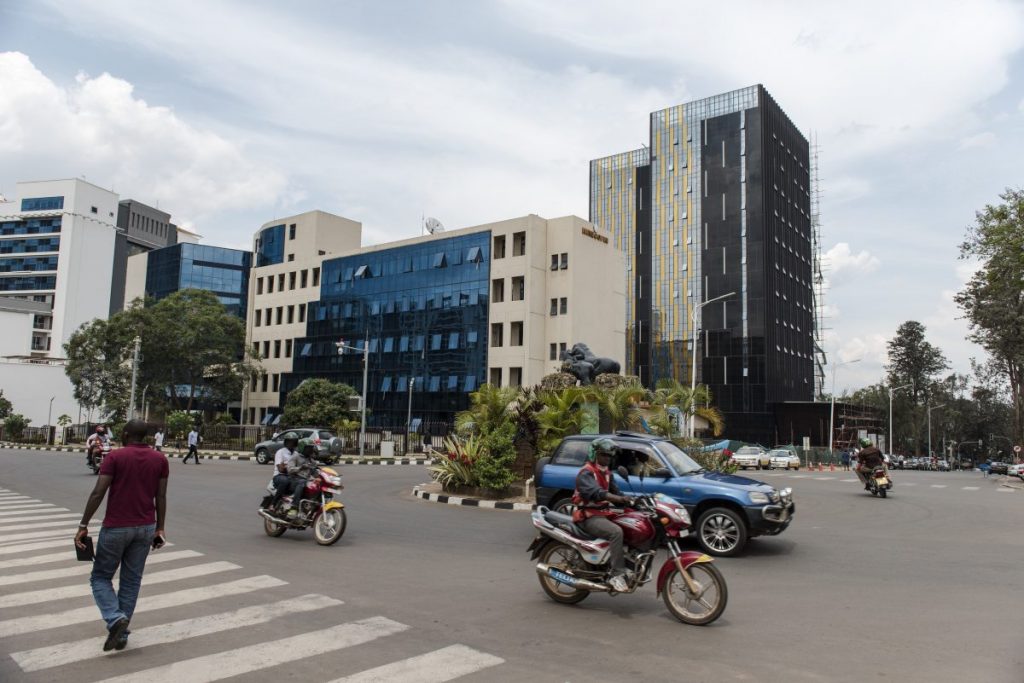
Rwanda harnessed the G20 Compact with Africa (CwA) initiative as a framework to accelerate and consolidate its economic transformation agenda in line with the country’s Vision 2050.
Africa and Europe: Cyber governance lessons

This Policy Insights examines the lessons the AU can learn from the EU in the area of cyber governance.
G20 compact with Africa: The case of Ghana
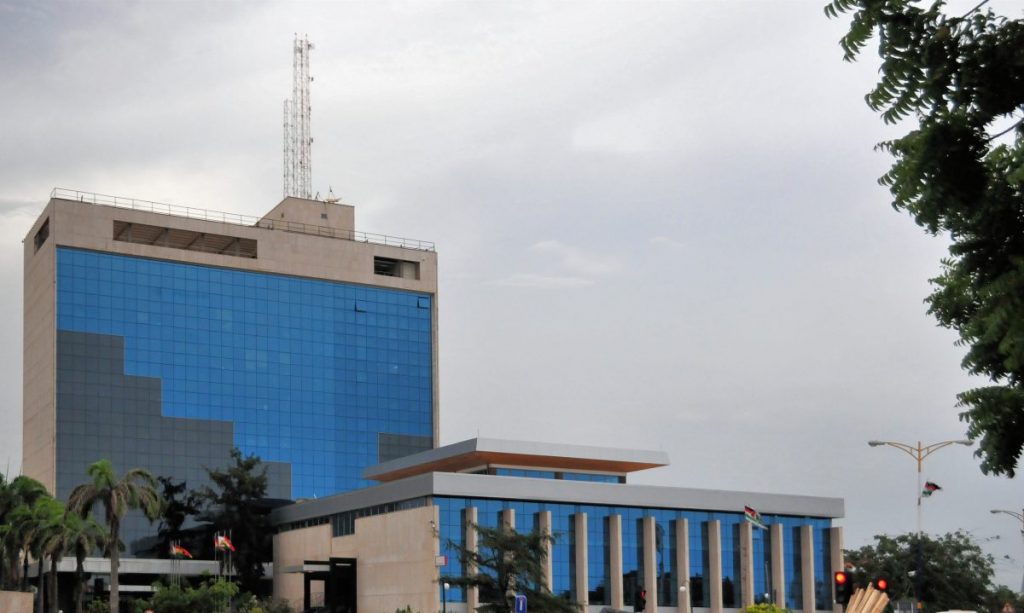
Ghana’s participation in the G20 Compact with Africa (CwA) indicates its strong appetite for reforms, seeing as its reform commitments were already reform actions under its International Monetary Fund (IMF) Extended Credit Facility Programme.
G20 compact with Africa: No reformers, no compact – The Zimbabwean case study
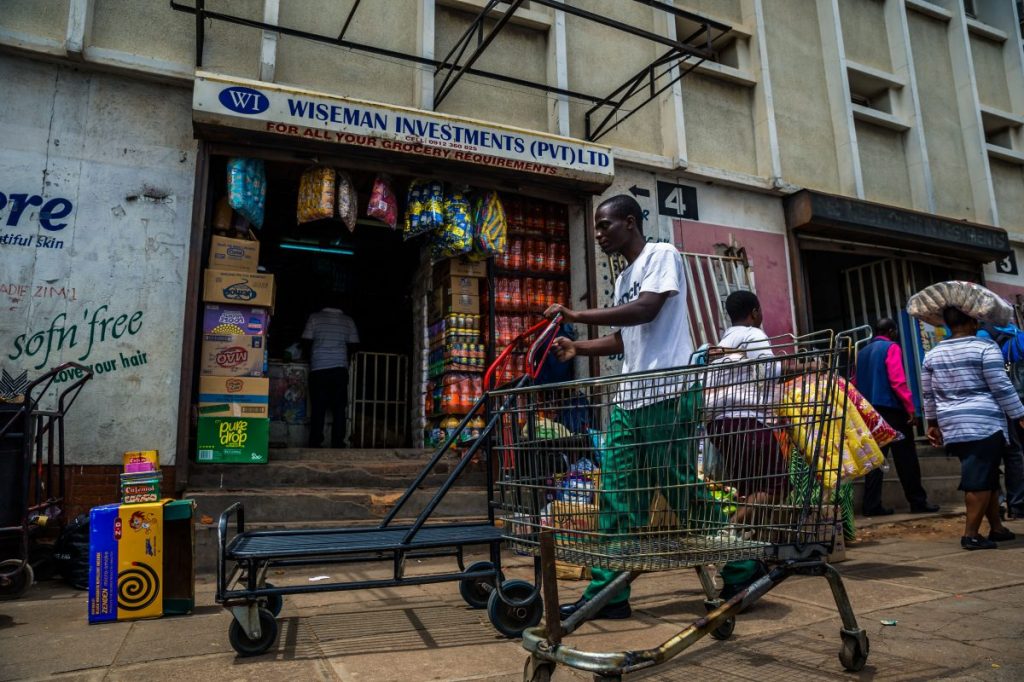
As a reform strategy, the G20 Compact with Africa (CwA) framework has the potential to support Zimbabwe’s economic transformation agenda.
Digitalising democracy in SADC: Insights from 2019 elections

This policy insight explores the worldwide phenomenon of the digitalisation of democracy, in the context of recently conducted elections in four SADC member countries – South Africa, Malawi, Botswana and Mozambique.