Click on the slide!

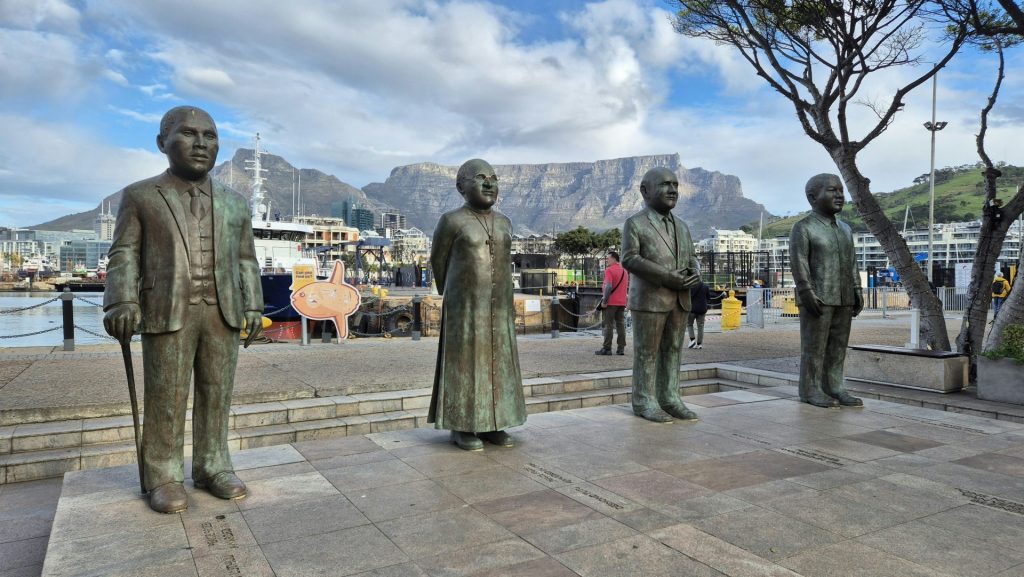
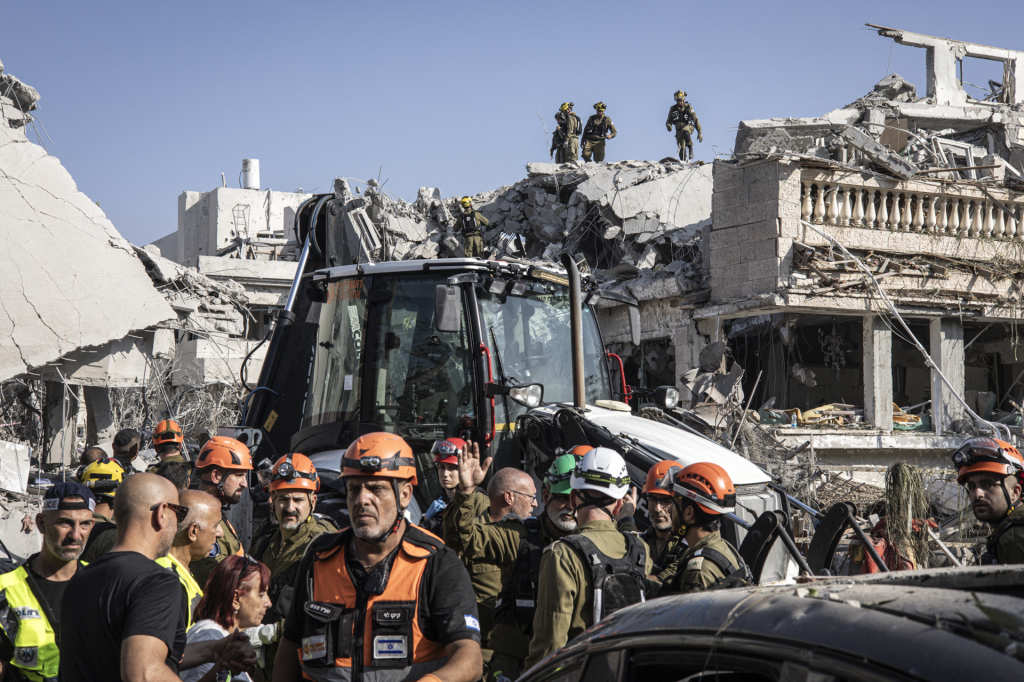
The African Union and the “Arab Spring”: An exception to new principles or return to old rules?

An unexpected wave of popular protests broke on Africa's northern shores in 2011, starting with the political demise of the Tunisian and Egyptian presidents, leading to more deadly conflict in Libya.

More...
Click on the slide!

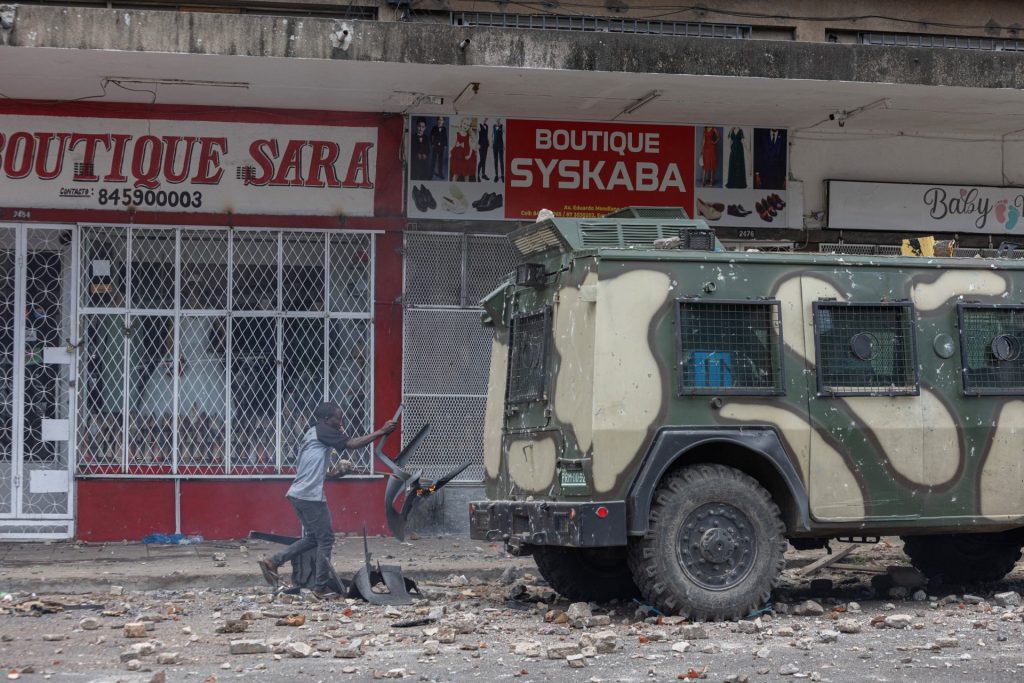
The Eurozone: A challenge and a chance for Europe and the global community

The on-going economic crisis facing the Eurozone does not only have potential ramifications for the single currency and the future trajectory of the European Union itself, but also for the rest of the world.

More...
Click on the slide!

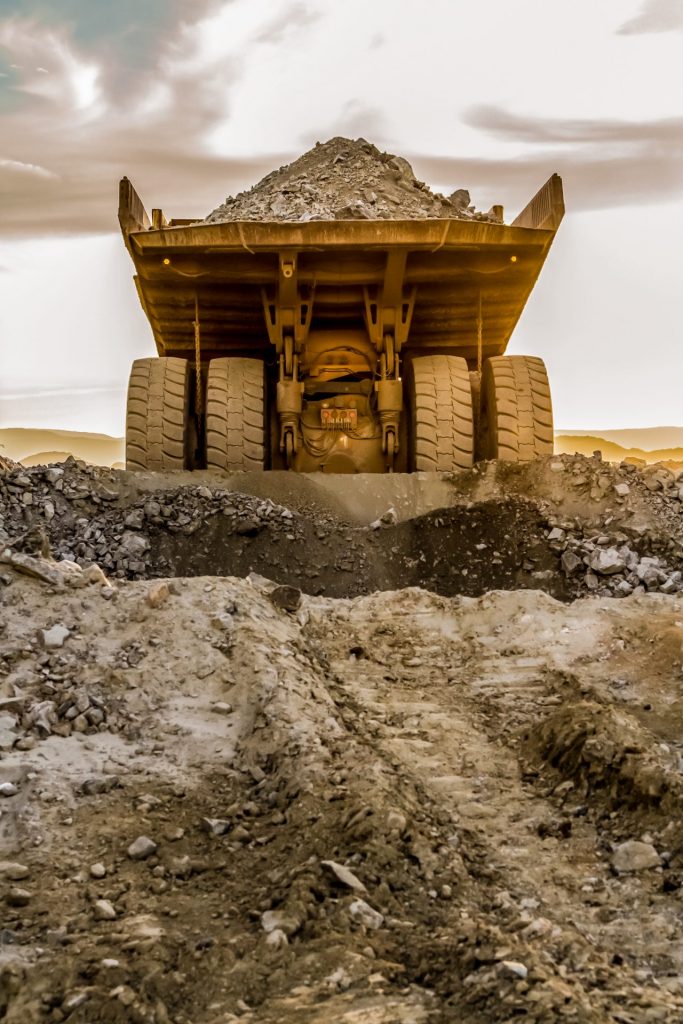
Call for papers - Sustainable Prosperity: New Challenges for Natural Resource Governance Theory in Africa

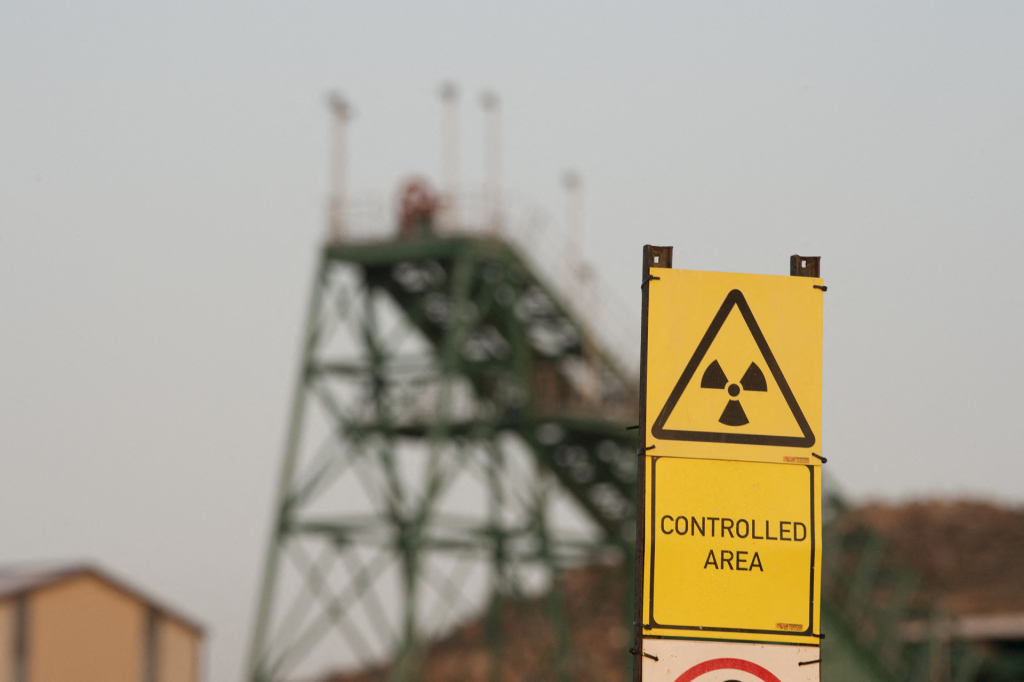
The demand for Africa’s natural resources continues to grow despite uncertainties in the global financial system. Diminishing reserves in traditional production areas combined with high commodity prices and technological innovations are driving exploration activities across the continent, resulting in the discovery of significant new gas, oil and mineral reserves.

More...
Click on the slide!

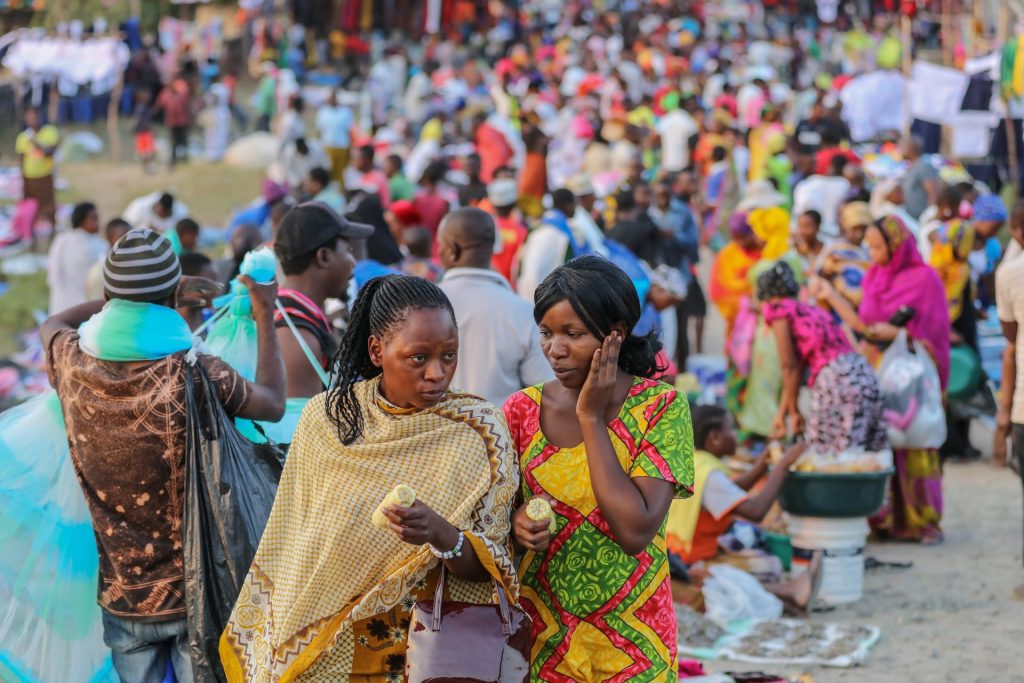
The Role of Resources in Africa’s future: Towards a vision for the governance of Africa’s natural resources

  How do we ensure that Africans benefit maximally, equitably and sustainably from the continent’s natural resource riches? This is not a new question.

More...
Frontpage Slideshow (version 2.0.0) - Copyright © 2006-2008 by JoomlaWorks

Diplomatic Pouch

Mozambique's gas holds promise for SA's energy security

An Energy Planning Colloquium hosted by South Africa's Department of Energy from 29-30 March served to highlight the challenges the country faces in meeting its high energy demand. As defined by the minister of energy, Dipuo Peters and the minister in the presidency, responsible for the National Planning Commission, Trevor Manual, this included ensuring energy security and efficiency; competitive energy pricing; and lastly, encouraging growth while reducing carbon emissions in the sector.

more>


SA should lead in putting Africa first

The existing global economic governance arrangements are failing. They are incapable of dealing with our challenges of poverty, inequality, unemployment and environmental degradation. Nevertheless, they are proving to be exceptionally resistant to change. Although the old powers -- primarily Europe and the United States -- have lost some of their authority, they have demonstrated that they will not easily surrender control and are still capable of imposing their will on the international community in matters of most interest to them. It means that achieving substantial, progressive global economic governance reform will be a slow, painful process. It requires emerging powers to exploit each opportunity, no matter how small, for advancing the process of change. Skilled diplomatic efforts are needed when the chances for clear victories are slim but can generate collateral benefits that increase the chances of future successes.

more>


Australia, New Zealand and the African Union

There's been a good discussion so far of South Africa's role at the African Union Summit in Addis Ababa this January, and its bid for Dr Nkosazana Dlamini-Zuma to take up the Chair of the AU Commission. It would come as no surprise if the controversy over the Chair's position eclipsed other activity at Addis. Also there in January were the Foreign Ministers of Australia and New Zealand.

more>


Electing a new female head of the World Bank

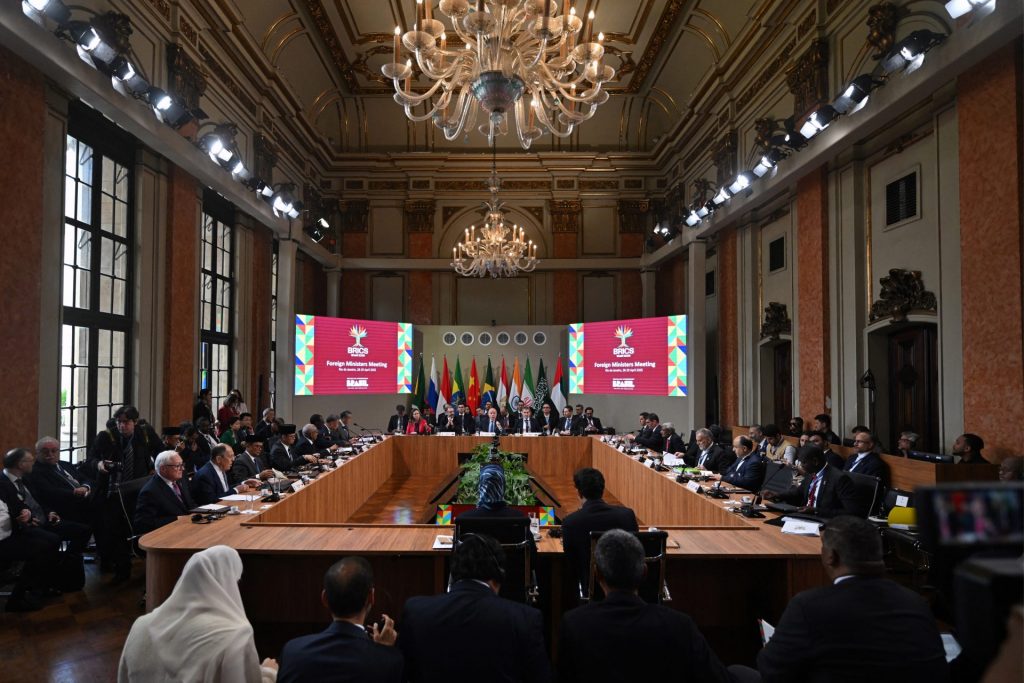
The World Bank needs a new president. Historically, he has been selected by the US president. This is unacceptable and must change. In fact, there is agreement that there should be a transparent and merit-based selection process. That the Europeans and their allies reneged on this commitment when they selected Christine Lagarde as the MD of the International Monetary Fund makes it even more important that the World Bank sets the precedent of how a transparent and merit-based selection process should work. Doing so will require the BRICS countries (Brazil, Russia, India, China, SA) and the other emerging market members of the Group of 20 to behave more responsibly than they did in the Lagarde case. What does this mean for South Africa?

more>


Latest Publications

African Solutions: Best Practices from the African Peer Review Mechanism

img african solutions cover 100A new book released by the South African Institute of International Affairs and published by Jacana Media examines the governance success stories of a number of African states. Entitled "African Solutions: Best Practices from the African Peer Review Mechanism", the book is the outcome of research into the policies, programmes and experiences identified as "best practices" from the first 12 countries that published Country Review Reports (CRRs) under the African Peer Review Mechanism (APRM). These countries are Algeria, Benin, Burkina Faso, Ghana, Kenya, Lesotho, Mali, Mozambique, Nigeria, Rwanda, South Africa and Uganda. The APRM was conceived as a voluntary mechanism and, in the absence of 'hard pressure' for compliance, incentives - rather than sanctions - could be the way to strengthen governance on the continent.

more>
 

Implementing the APRM: Views from Civil Society

aprm_report_cover_sm_2011During the 17th African Union Summit in tropical Malabo, Equatorial Guinea from 23 June to 1 July 2011, governance will once again come under the spotlight. On 29 June, the African Peer Review Mechanism (APRM) Forum of Heads of State and Government convene, where Zambia is set to become the 15th country to be peer reviewed, a revised APRM Questionnaire is being considered, and many states will report on implementing their National Programmes of Action. Governance gaps will also be considered in Midrand, South Africa on 28 June, when the APRM Monitoring Project (AMP) – run jointly by SAIIA, the Centre for Policy Studies (CPS) and the Africa Governance, Monitoring and Advocacy Project (AfriMAP)– will launch its independent assessment of governance in South Africa entitled “Implementing the APRM: Views from Civil Society”.

more>


Research Reports

The Power of Oil: Charting Uganda's Transition to a Petro-State

By Petrus de Kock and Kathryn Sturman
SAIIA Report No 10, March 2012
Download-English [pdf].

more>
 

‘Troubled Waters’ Sustaining Uganda’s Lake Victoria Nile Perch Fishery

by Alex Benkenstein
SAIIA Research Report No 9, October 2011
Download - English [.pdf]

more>
 
SAIIA is a non-governmental research institute focused on South Africa’s and Africa’s international relations. We provide analysis, promote dialogue and contribute to African policy making in a dynamic global context.

Join Us!

SAIIA is a membership organisation which provides a range of services to its members. Services are tailored to the needs of our various categories of members.

Go here for further information and application forms.

Email updates

Call For Papers

SAJIA Call for Papers

Follow us

Facebook linkedin Linked In
Twitter    

Resources

img_logo_africa_portal_colour_sm

aprm_logo_toolkit_02.png
aprm_logo_amp_toolkit_01

SAIIA Podcasts

img podcast new logoLISTEN!
SAIIA's examines foreign policy issues in Mozambique, SA and the BRICS and the impact of Iranian oil sanctions on SA.

Click Here To Listen >>


SAIIA In The News


Goodwill and Hard Bargains: The DRC, China and India

by Gregory Mthembu-Salter
SAIIA Occasional Paper No 114, March 2012
Download-English [.pdf]

more>


China in Kenya: Addressing Counterfeit Goods and Construction Sector Imbalances

by Hilary Patroba
SAIIA Occasional Paper No 110, March 2012
Download-English [pdf.]

more>


South Africa as Africa’s Gateway: A Perspective From Business

by Dianna Games
SAIIA Policy Briefing 46, March 2012
Download-English [pdf].

more>
 

The Tripartite FTA and the Services Sector

by Matthew Stern
SAIIA Policy Briefing 45, February 2012
Download-English [pdf].

more>
   

Features Archive

Click here to view the Features Archive

Bookmark and Share


© SAIIA 2012; NPO:058-556 Site maintained by BIG Media