

The East African Energy Frontier, a Decade On

The East Africa region has seen some of the decade’s largest natural gas and energy finds. However, despite their magnitude, these discoveries have yet to fulfil the promise of social and economic progress.
Maritime Security in the Gulf of Guinea: Establishing Law, Generating Order

Maritime security has become a buzzword in recent years as criminal activities at sea threaten a wide range of geostrategic, security and economic imperatives.
Municipal elections: No longer the warm-up game

A telling feature of South African municipal elections is the near seamless manner in which they blend into the country’s national political narratives.
Manufacturing in Southern Africa: Dream or reality? The need to integrate into Global Value Chains
A meeting on the SADC Regional Investment Framework is taking place in Johannesburg this week, to look at, amongst other priorities, investment in regional and global value chains. These discussions will take place against the background of slowing global economic growth and a decline in commodity earnings for African countries.
South Africa and the DRC: Evaluating a South–South Partnership for Peace, Governance and Development
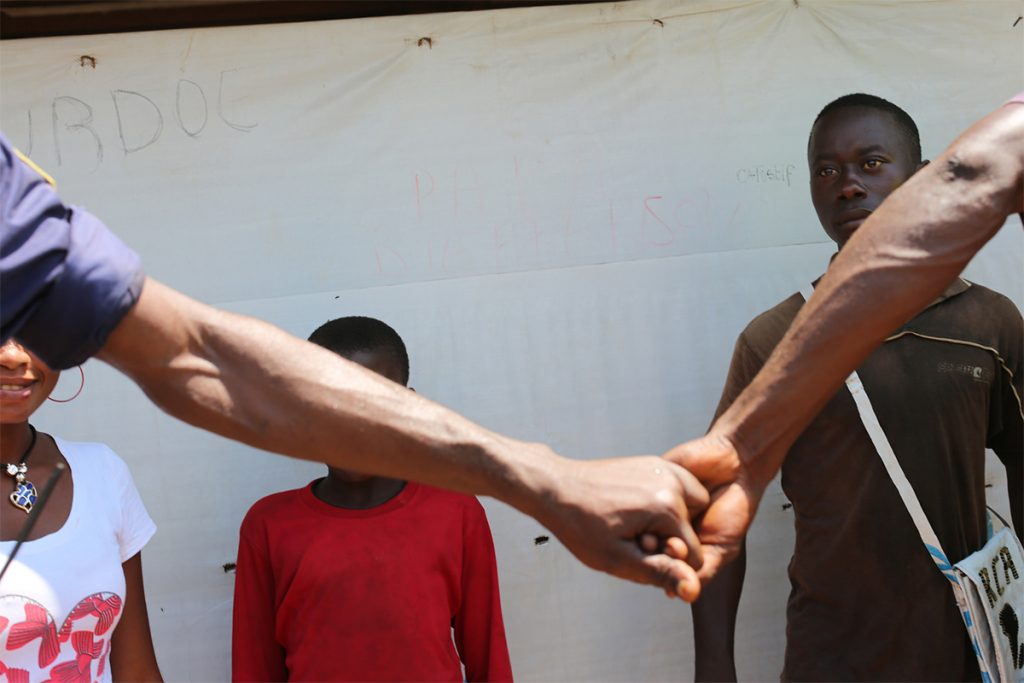
The ‘Rise of the South’ and the role of ‘emerging powers’ in global development has animated much of the political and economic discourse of the past decade. There is, however, little empirical evidence on the contribution that emerging Southern partners make to sustainable development, due to the lack of common measurement systems for South–South cooperation (SSC).
Dismantling Zimbabwe’s ‘Deep State’

The Zimbabwean state has provided some of the biggest lessons in humility for political analysts in this century. Its government, headed by the indomitable Robert Mugabe, has failed to ‘definitively fail’ despite every warning since ZANU-PF war veterans began the land invasions that prompted the first wave of crisis in that country in 2001.
Xenophobia Trivialises South Africa’s Ambitious Africa Policy

South Africa’s grand transition and re-integration into international affairs under former president Nelson Mandela gave the country the moral resources to lead in Africa.
A cry for recognition and protection: Zimbabwe’s forgotten Informal Cross Border Traders
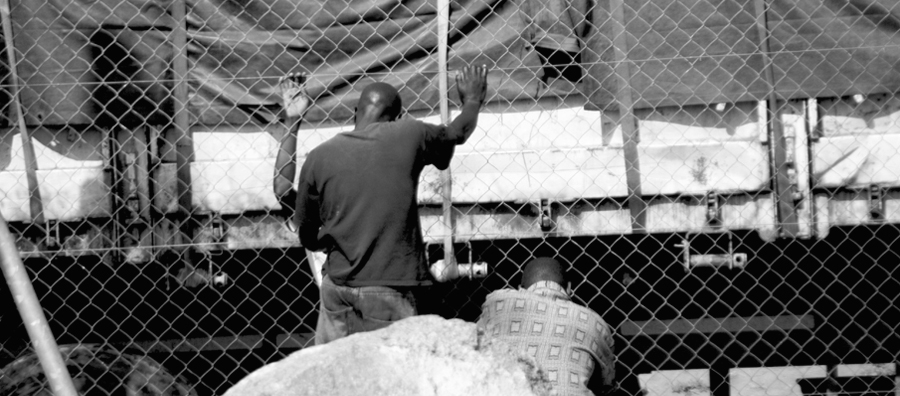
The Beitbridge border between Zimbabwe and South Africa, the busiest border post in Southern Africa, has been rocked by unprecedented violent protests since June.
Africa’s $100 billion infrastructure gap: why Africa must seize the moment on the New Development Bank
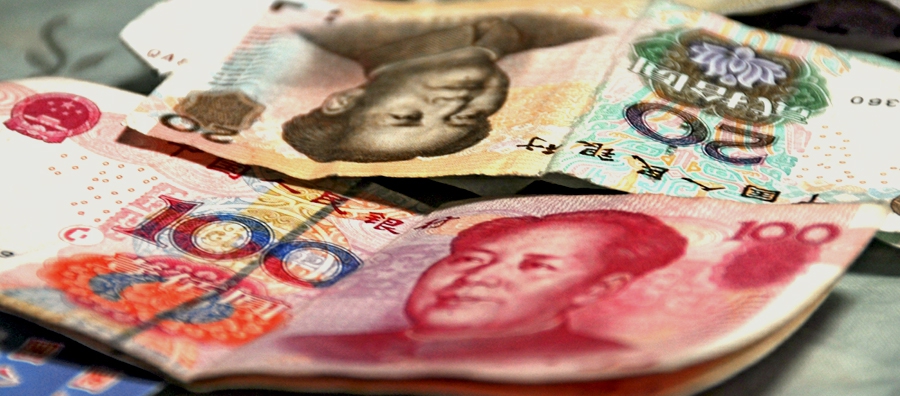
Africa’s infrastructure financing deficit, estimated to be $100 billion a year, remains persistently large. The resulting lack of investment in energy, transport and water infrastructure on the continent presents a significant barrier to economic growth and development.
Reconfiguring South Africa’s BEE Models in Mining: Linking profits to employee share schemes

The mineral resources minister recently gazetted an amended Mining Charter, which generated a good deal of controversy. Although the revised charter retains the principal target of achieving 26% ownership of mining companies by historically disadvantaged South Africans, it adds the requirement of retaining this level continuously.