

Wage strikes loom in a sector that cannot afford it

Mining production has declined 18% year-on-year to May and job losses are growing.
The demise of African unity?

People of Africa have shared interests and should be united around common goals. This is the main idea behind Pan-Africanism.
Enhancing biotrade in an era of biodiversity mainstreaming

The 2016 International Day for Biological Diversity (IDB) will be commemorated on the 22nd of May with the theme of ‘Mainstreaming Biodiversity: Sustaining People and their Livelihoods’.
Making Sustainable Development the Key Focus of the BRICS New Development Bank

The paper explores definitions of sustainable development that the New Development Bank of the BRICS could use in identifying and implementing projects in South Africa and on the African continent.
The EU-Turkey migrant deal: Will it work, and at what cost?

Looking back at the events of Europe’s migrant and refugee crisis in 2015, it is tempting to quote Dickens: ‘It was the best of times, it was the worst of times’.
‘The Africa We Want’: Unpacking the primacy of Africa in South Africa’s foreign policy

The importance of international relations to a country’s well-being is not always apparent to the ordinary person in the street. Often regarded as an unnecessary expense when a country such as South Africa faces significant economic and social challenges, ministries of foreign affairs easily fall prey to the fiscal austerity knife.
Is Community-Based Natural Resource Management in Botswana Viable?

If Botswana is to continue its success story as an African anomaly, it will have to manage its transition to a less diamond dependent economy skilfully.
Why Kenya’s ivory stockpile destruction makes economic sense
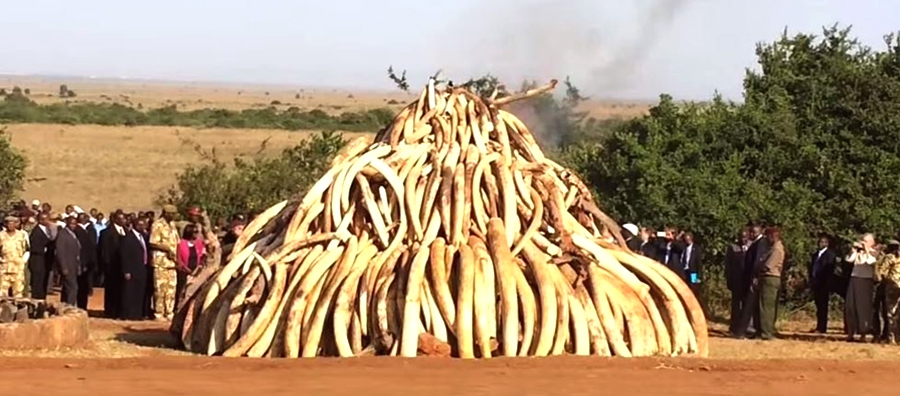
Kenya destroyed its entire stockpile of elephant ivory; over 100 tonnes of ‘white gold’ went up in smoke on Saturday, 30 April 2016. This stock consists of both illegally harvested ivory (confiscated from poachers or traders) and naturally accruing ivory (from natural mortality).
Can technological advances improve governance in Africa?

Unless good governance is demanded by citizens, it will not be consistently supplied by authorities. For Africa, the nature of the relationship between governments and ordinary people, known as the social contract, has proven to be an enduring challenge in the post-independence period.
Sustainable Development: Perspectives from Southern Africa
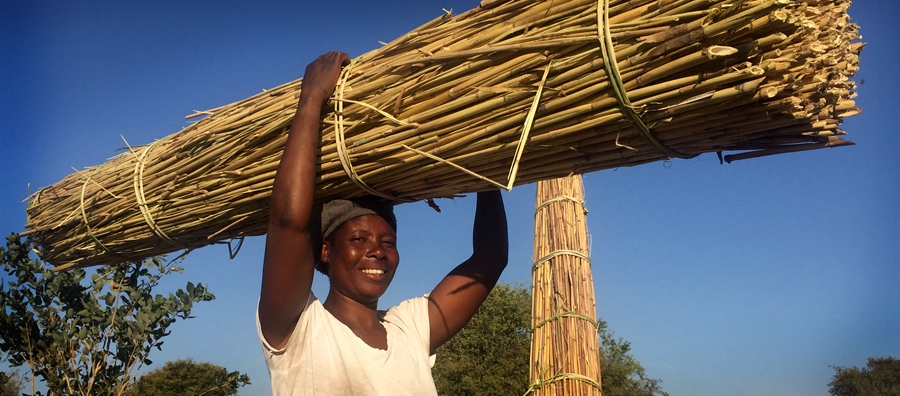
The UN 2015 Sustainable Development Goals (SDGs) seek to provide a holistic and integrated approach to ending global poverty and hunger by the end of 2030.