

Drivers of Regional Integration: Value Chains, Investment and New Forms of Co-operation

This collection of papers is a combined initiative of Economic Policy Forum member think tanks and is the result of two round-table discussions under the Regional Integration research stream.
Policy reform is key for future of mining

As a mining jurisdiction, South Africa’s score (relative global rank indexed out of a maximum of 100) on the Fraser Institute Investment Attractiveness Index has fallen from 56.1 in 2011/12 to 52.6 last year.
Challenges of European External Energy Governance with Emerging Powers
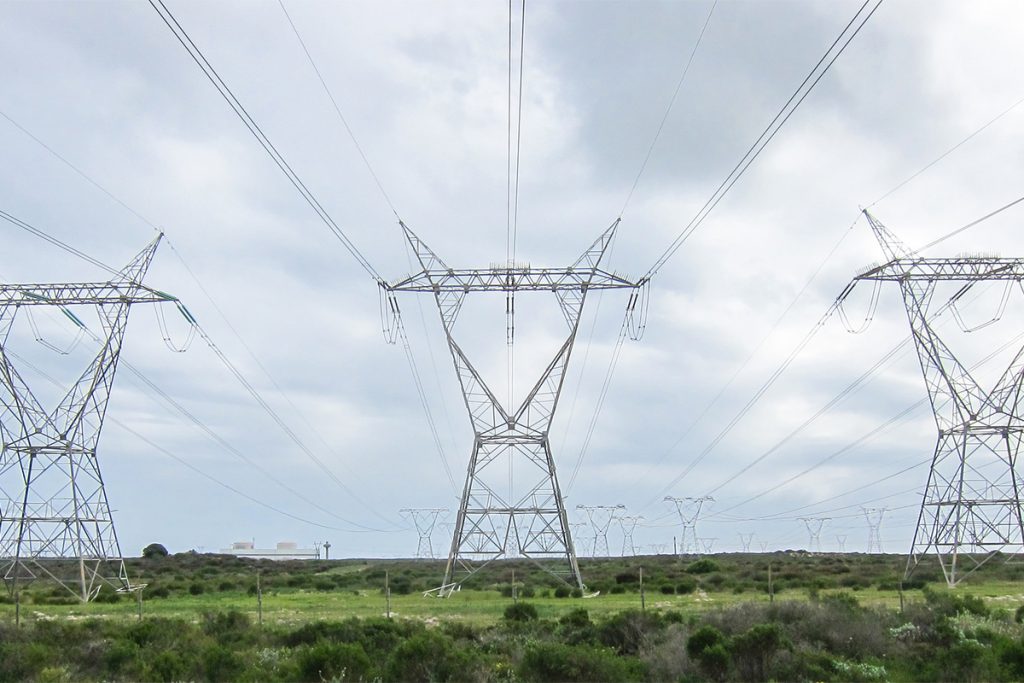
Three years of international research in Europe and the BICS countries (Brazil, India, China and South Africa) has resulted in a new book, ‘Challenges of European External Energy Governance with Emerging Powers’.
Save water, produce energy, innovate to tackle climate change

Sustainable development summits and climate change negotiations have slowly but steadily paved the way to the recognition of the inextricable linkages between water, energy and climate change.
Case Studies in Base Metal Processing and Beneficiation: Lessons from East Asia and the SADC Region

This research report first considers the industrial policy debate on beneficiation and its context within the broader policy debate on the appropriate role of industrial policy.
Adept negotiations needed by Africa at FOCAC
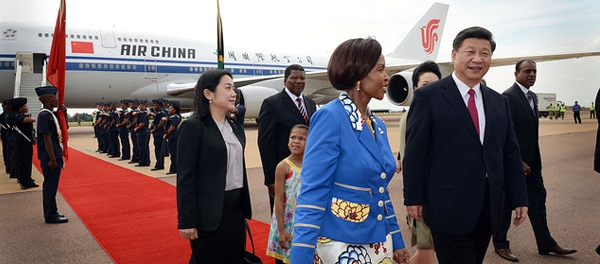
The upcoming Forum on China Africa Co-operation (FOCAC) summit in South Africa, the sixth gathering since 2000 and only the second to be held at heads of state level, comes at a time of unprecedented Chinese activism across the globe.
Chinese Engagement in Hydropower Infrastructure in Sub-Saharan Africa
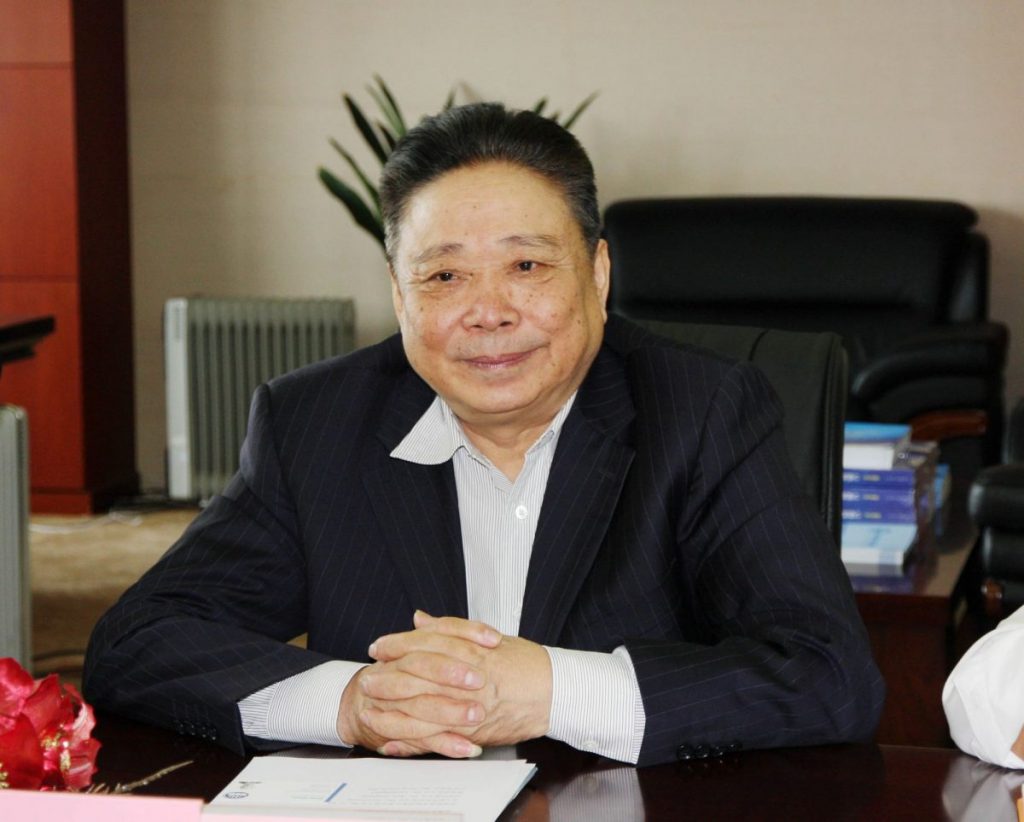
This paper examines over 100 reported African hydropower projects with Chinese engagement, gleaned from media reports and lists compiled by organizations like AidData and International Rivers.
Leveraging China-Africa relations starts with communication

In the context of a ‘normalising’ Chinese economy, that seeks to move from a manufacturing-centred economy to one driven by consumption and services, there are obviously concerns about the impact on Africa through a decrease in commodity exports (and income) to China.
South Africa and AGOA: What is at stake?

United States President Obama’s announcement earlier this month to Congress to partly suspend South Africa’s benefits under the Africa Growth and Opportunities Act (AGOA) is likely set the tone of the AGOA agreement going forward, following the extension of the initiative earlier this year.
African Accountability: What Works and What Doesn’t

SAIIA has published a new book, African Accountability: What Works and What Doesn’t? to assess the current state of governance and accountability in Africa.