

SAIIA Youth Policy Committee COP21 Statement

We, the members of the SAIIA Youth Policy Committee (YPC), support the adoption of a legally binding agreement to combat climate change and encourage a global transition to low-carbon societies and economies at COP21.
Mineral Rights, Rents and Resources in South Africa’s Development Narrative

This paper explores potential explanations for South Africa’s economic underperformance since 1994. Despite the country’s substantial subsoil mineral wealth endowment, the development promise typically associated with such wealth has not been realised.
Combating gender-based violence in Africa: Was the APRM a responsive framework?

It’s that time of the year again: the month that marks 16 days of activism against gender-based violence. Familiar terms again dominate the discourse: violence against women, gender-based violence, sexual violence, intimate partner violence and domestic violence.
Chinese Agricultural Investment in Africa: Motives, Actors and Modalities
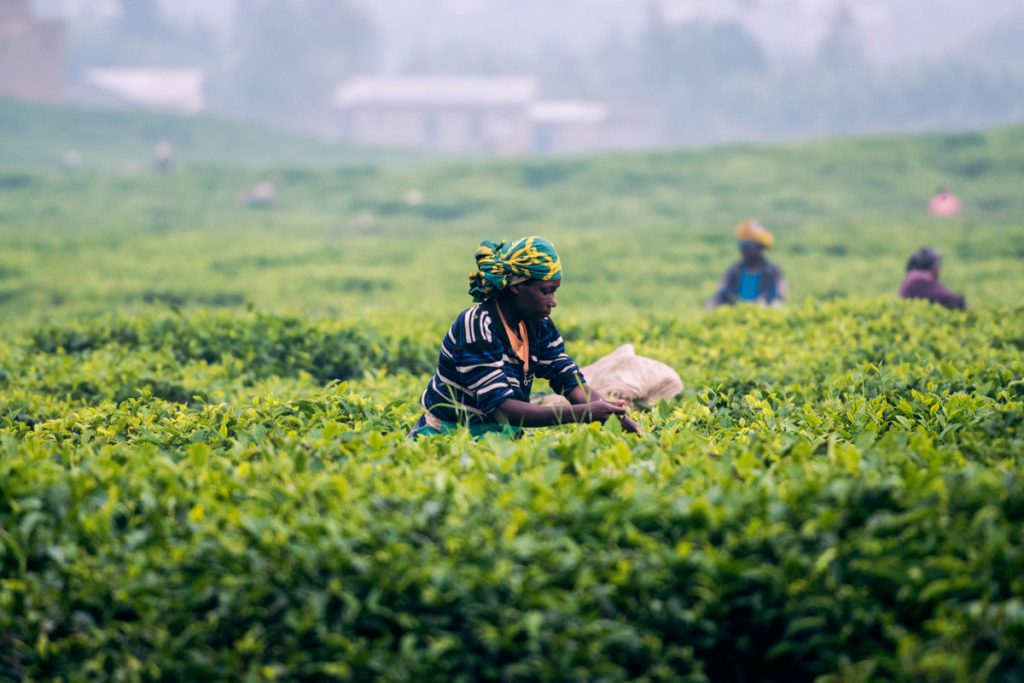
Against the backdrop of the high-profile re-encounter and reunion between China and Africa since the new millennium, agriculture has been one of the most important co-operation fields between the two sides.
Water Governance in Botswana

Botswana is water scarce, with endemic drought and varied rainfall. In order to meet increases in water demand efficiently and sustainably, greater policy coherence and implementation is needed.
China–Africa Co-operation Beyond Extractive Industries: The Case of Chinese Agricultural Assistance in West Africa

Traditionally focused on extractive industries, China’s co-operation with Africa is moving towards greater diversification, as African economies themselves diversify and new needs and opportunities arise across the continent.
Learning by Doing: China–Africa Co-operation and State Learning
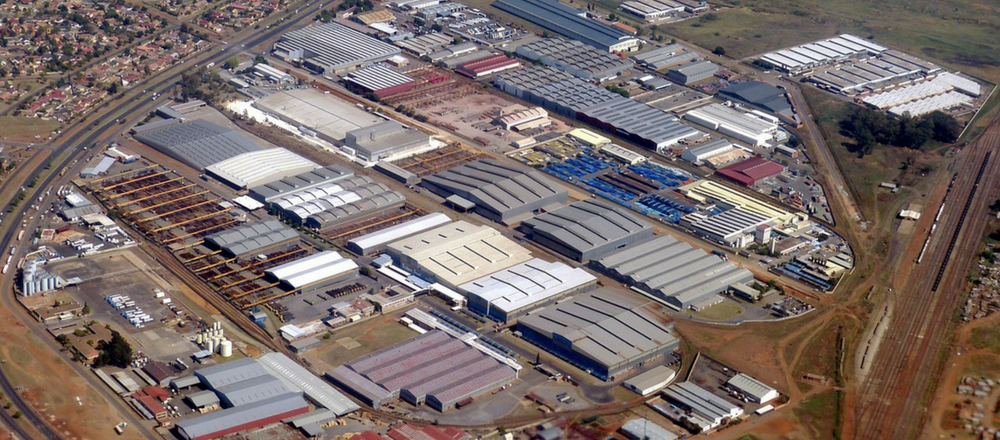
The view that ‘Africa should learn from China’s development’ has been expressed throughout Africa, from the chairperson of the AU through senior government officials to analysts, scholars and ordinary citizens.
Value Chains in Southern Africa: Entry Points for Donor Impact

Recent interviews of Small and Medium Enterprises (SMME) that SAIIA conducted in Botswana can provide pointers on the focus that donor support should take in order to promote the growth of this sector.
Moving beyond Africa’s crisis of institutions

Since independence, most African states have struggled to develop effective institutions that are responsive to the governance and development needs of their respective societies.
A Next-Generation Peer Review: What Does the Open Government Partnership Have to Offer?

This policy briefing is based on a collaborative research effort comparing four international peer-review processes undertaken by the Open Democracy Advice Centre in 2015.