

Can the Bali Package Resolve the Doha Impasse and Secure the Future of the WTO?

Much of recent commentary on the World Trade Organization (WTO) has focused on the stalled Doha Development Round, the reasons for the impasse and proposals for its resolution.
The G-20 and Development: Ensuring Greater African Participation

Although South Africa is the only African permanent member of the G-20 group of major economies, the G-20 regularly invites the chair of the African Union (AU) and a representative of the New Partnership for Africa’s Development (NEPAD) – usually the chair of the Heads of State and Government Orientation Committee – to attend its meetings.
An Agenda for African Business

Global experience in the last century demonstrated that it is possible for societies to move rapidly from poverty to prosperity. The past decade has seen growing hope that Africa may be on the cusp of emulating these experiences.
Chinese Agribusiness Entrepreneurship in Africa: Case Studies in Ghana and Nigeria

Agriculture is an important area of Chinese economic engagement in Africa. Since the 1960s, China has provided aid, sent experts, and trained African farmers.
Chinese Agricultural Engagements in Zambia: A Grassroots Analysis
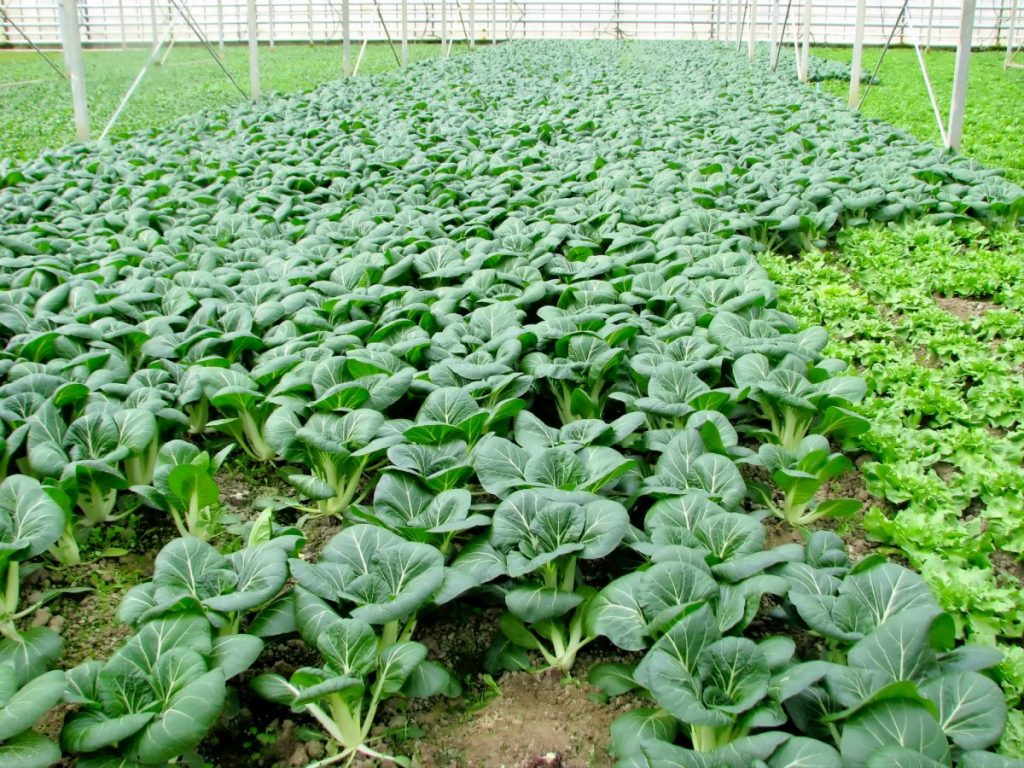
Recent focus on large-scale Chinese investments in African agriculture has fueled popular misperceptions of Chinese “land grabs” and has overshadowed another unexplored -and perhaps more significant-phenomenon: the rise of medium-scale private Chinese farmers and rural entrepreneurs.
A Critical Analysis of Human Rights Due Diligence Processes in Mineral Supply Chains: Conflict Minerals in the DRC

This paper reviews recent developments in the human rights due diligence concept. In doing so, it highlights the challenges of developing and applying human rights due diligence processes in mineral supply chains in the Democratic Republic of the Congo (DRC) and the broader Great Lakes region.
Aid for Trade Vital for Boosting Regional Integration and Development

It is hoped that African countries will soon be signing a new free trade agreement that will take the continent one step closer to its goal of economic development.
Rents, Rights and Restructuring: Namibia’s Lessons for the Governance of Africa’s Fisheries

Namibia is often cited as an example of an African country that has achieved relative success in managing its marine resources and promoting local ownership in the fisheries sector. This paper draws out key lessons from Namibia’s fisheries governance experience, highlighting not only successes but also a range of challenges facing the country.
Illegal Sand Mining in South Africa
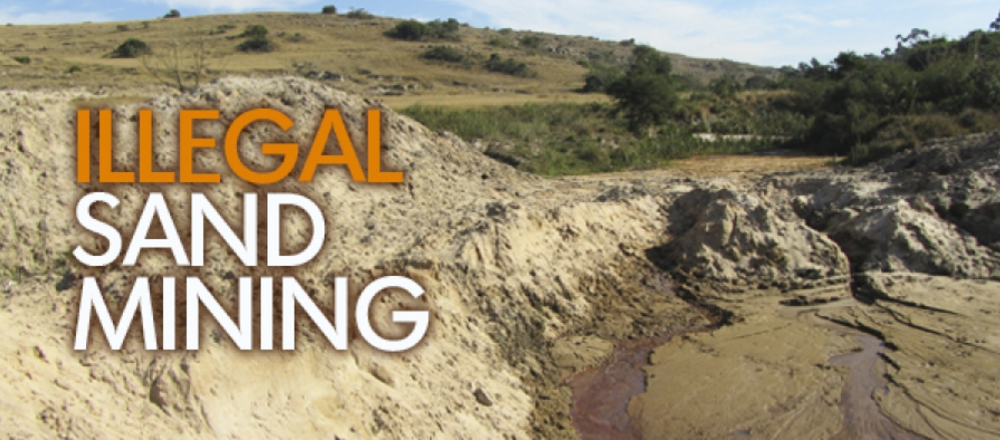
Natural sand from estuary and coastal land is one of South Africa’s most valuable resources. However, there has recently been a drastic increase in uncontrolled and unauthorised sand mining activities in rivers, valleys and estuaries throughout the country.
Mega-Regional Trade Agreements: Strategic Implications for South Africa

For many years the Doha Round of negotiations of the World Trade Organization (WTO) had been in the doldrums, with little apparent prospect of success in its primary aim. In the wake of the ninth WTO ministerial conference in Bali in December 2013 there is renewed optimism that the WTO can deliver, and that something can still be made of the Round.