

China–Zimbabwe Relations: A Model of China–Africa Relations?
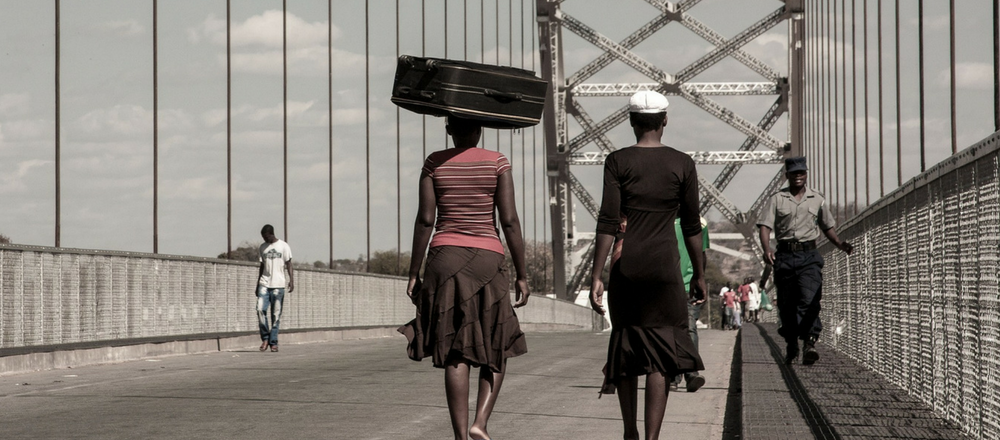
There are two parallel interpretations of the relationship between China and Zimbabwe: on the one hand, it is often viewed as a microcosm of China–Africa relations due to its economic and resource elements; on the other, it is portrayed as an example of China’s support for a ‘pariah regime’ without any consideration of human rights and good governance.
Health for all: a pro-poor human rights approach

In recent years there has been growing global awareness of the interplay between rights and the development process and a generalised recognition of social determinants of health as a point of entry to re-connect poverty, equality and health.
China’s changing relationship with Zimbabwe

Q&A with Dr. Zhang Chun of the Shanghai Institute of International Studies and Dr. Abiodun Alao of King’s College London.
Blooming renewables in South Africa

Due to the increasing threat of climate change, the key role that energy plays in the interactions between societies and resources towards a sustainable development has gained broad attention. As renewable energy sources (RES) become more competitive in relation to other energy sources, they create another opportunity to attract additional investments in favour of a greener economy.
SAIIA 2014 Young Leaders Declaration
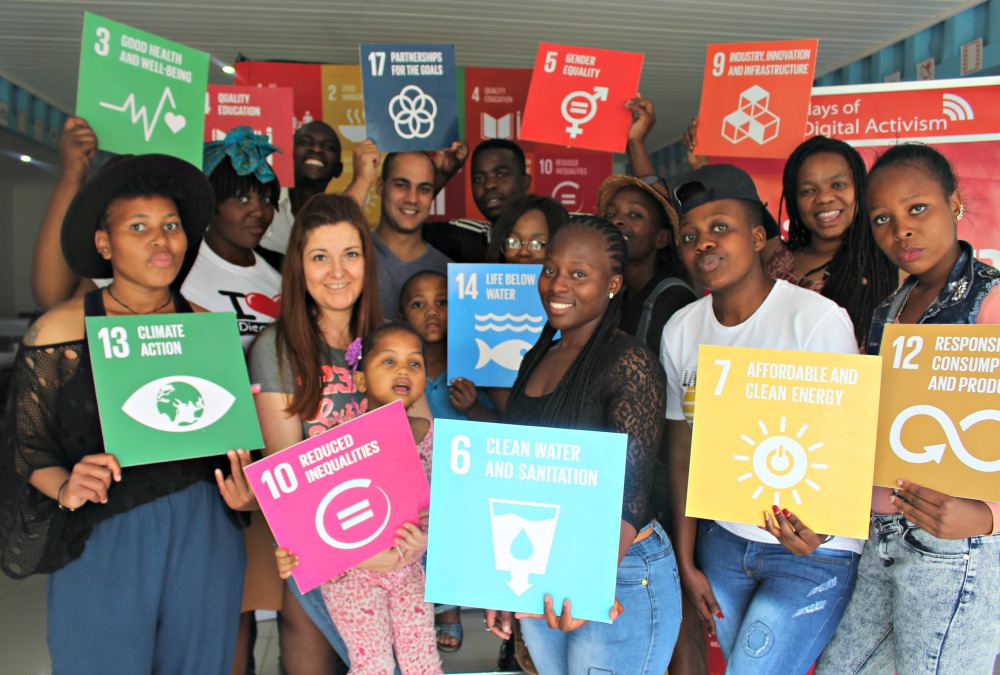
The 2014 SAIIA Young Leaders Declaration recommendations for the Sustainable Development Goals negotiated and agreed upon at the 3rd Annual SAIIA Young Leaders Conference.
The Economics of Pro-Poor Health Policy

The Southern African Development Community (SADC) can learn from the difficulties faced by the Economic Community of West African States (ECOWAS) in curtailing the spread of Ebola. The Ebola epidemic has highlighted the need for regional access to medicines in West Africa.
Chinese Training Courses for African Officials: A ‘Win-Win’ Engagement?
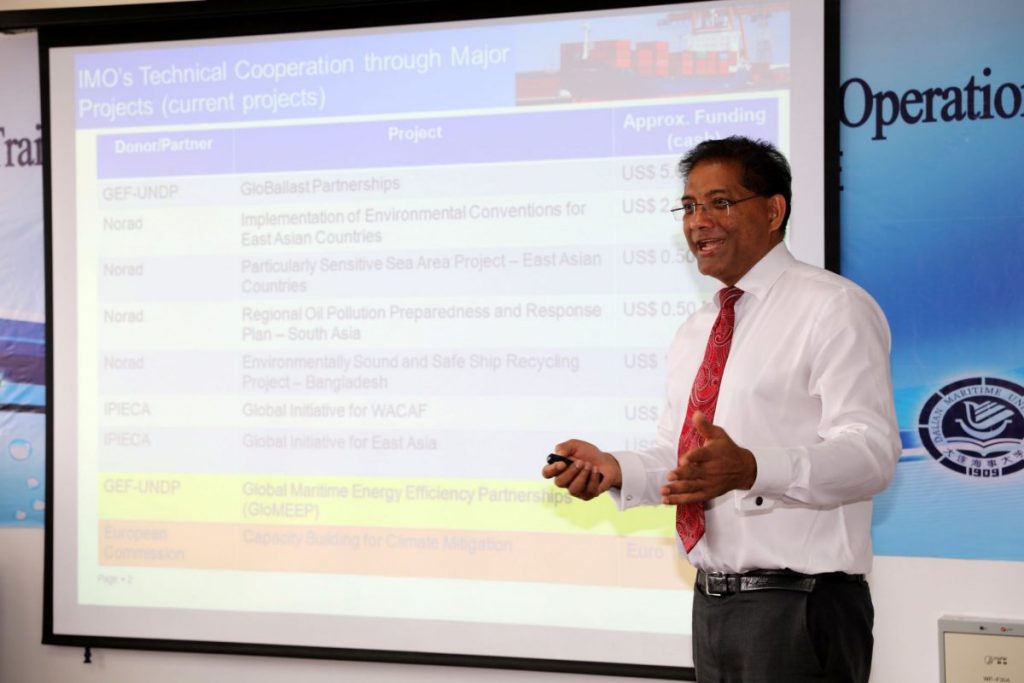
As part of its growing engagement in Africa, China has become one of the world’s largest providers of short-term agricultural training courses.
Botswana’s Coal: Dead in the Water or Economic Game Changer?

Botswana possesses substantial coal deposits of 212 billion tonnes, the majority of which are low grade.
‘Energetic’ Dialogues in South Africa: The US Example

South Africa and the US have both recently attempted to take concrete action to transform their respective energy futures. This is happening against the backdrop of major shifts in the global energy landscape and South Africa’s own need for new energy partnerships.
From Non-Interference to Good Governance: Shifting Perspectives on Development in Africa

This paper introduces the contextual linkages between the good governance agenda and Africa’s development strategies, especially the newly defined role of civil society actors in Africa’s governance.