

A Transformative Post-2015 Development Agenda – What role for South Africa?

Followers of the discourse around international development will be aware of the important debates that took place at the UN General Assembly during September 2014.
Maintaining Momentum? Civil Society and the APRM in Zambia
The African Peer Review Mechanism (APRM) is intended to assist member states to identify and eradicate governance problems. The review of Zambia found positives as well as negatives in the country’s governance practices.
The 2014 G-20 Summit: Maximising growth, revenue and stability

Group of 20 (G-20) Summits are a magnet for expectations. Ever since the grouping was formed in the turbulent early days of the 2008 global financial crisis major stakeholders have pinned many hopes on the ability of the group to steer the globe back to growth.
The Courts: Lights That Guide Our Foreign Affairs?

South Africa’s constitutional democracy reserves a specific role for the judiciary in upholding human rights. This responsibility inevitably has an impact on the formulation and conduct of South Africa’s foreign policy.
Chinese Agricultural Investment in Mozambique: The Case of The Wanbao Rice Farm
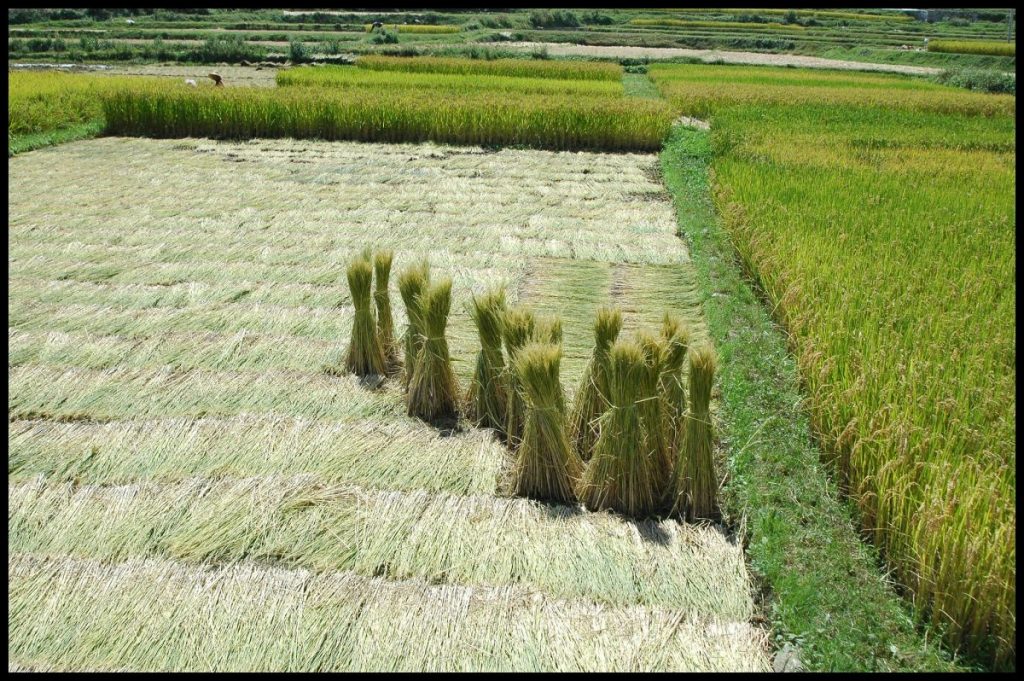
The Hubei Gaza Friendship Farm was established in 2007 in Xai-Xai, Mozambique, and has been managed by Wanbao Africa Agriculture Development Limited (WAADL), a private Chinese company, since 2011.
Kenya’s Regional Relations: Between Principle and Practice
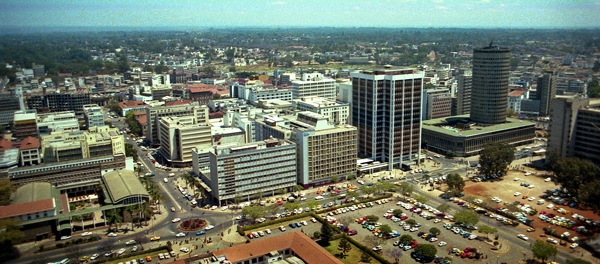
Kenya has long been cast as a reluctant regional actor. Those who view it as having a strong economy, but lacking political leverage in its region have questioned its regional influence.
Ethiopia’s Regional Diplomacies: A Dominant Interpretation of the Horn of Africa

The Federal Democratic Republic of Ethiopia shares borders with the eastern African countries Djibouti, Eritrea, Kenya, Somalia, South Sudan and Sudan.
RENAMO’s gambit: Forcing the issue after the Mozambique 2014 Elections

Sociologist Robert K Merton’s ‘Law of Unintended Consequences’ is the observable phenomenon of purposeful actions having unexpected results, most often negative ones. Mozambique’s 2014 elections have been characterised by continuing tensions between the Government of Mozambique and the Resistência Nacional Moçambicana (RENAMO) opposition political party, which the latter has sought to escalate in the post-election period, and ahead of the final results.
Nigeria’s Continental Diplomatic Thrusts: The Limits of Africa’s Nominally Biggest Economy

A dominant portion of contemporary literature on Nigeria’s regional and continental diplomacies suggests that the foreign policies of Africa’s nominally biggest economy are hardly progressive and dynamic, due principally to the perverse hiatus between its domestic ecology and foreign policy.
Consolidating the Regional Diplomacy of Côte d’Ivoire

On every continent, regionalisation or even communitarisation of foreign relations has become one of the preferred policy approaches by states and other actors in search of synergies that add value to public policies conceptualised and implemented at a geographical group or sub-group level.