

European Report on Development 2013: Post-2015 – Global Action for an Inclusive and Sustainable Future
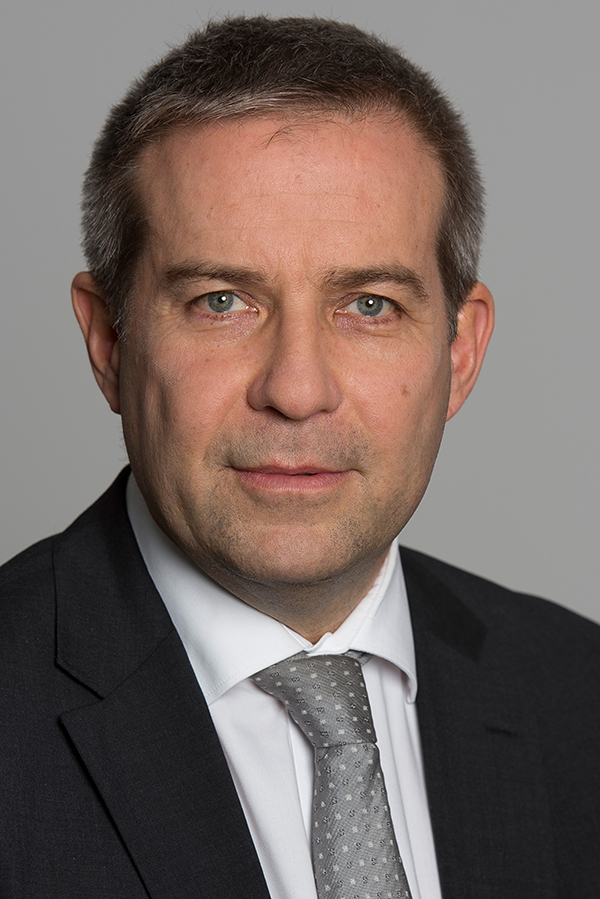
The South African Institute of International Affairs hosts a Speaker’s Meeting addressed by Dr Stephan Klingebiel from the Department of Bi- and Multilateral Development Cooperation of the German Development Institute (DIE) on ‘European Report on Development 2013: Post-2015 – Global Action for an Inclusive and Sustainable Future’
South Africa after the Central African Republic: saving the African agenda

When the bodies of United States army rangers were dragged through the streets of Mogadishu in 1993, American public opinion could not comprehend why their compatriots had to die for Somalia. Somalia was seen to be far from the ‘American national interest’.
The Foreign Policy of Senegal Since 2000

After President Abdoulaye Wade became president of Senegal in 2000 some apparent changes in Senegalese foreign policy could be discerned. This paper considers the extent to which that policy changed under his administration. It examines significant trends in the foreign policy of Senegal; the role played in them by national institutions; and the domestic and international political backdrop.
Resource geopolitics fuelling external rivalry in the CAR

The South African deployment in the Central African Republic (CAR) which created a political firestorm at home, came to a precipitous end when President Zuma announced the forces’ withdrawal on 3 April.
La Politique Etrangere du Sénégal Depuis 2000
On a pu observer, suite à l’élection, en 2000, du Président Abdoulaye Wade, au Sénégal, quelques changements manifestes dans la politique étrangère du pays.
Le Sénégal de Wade Face a la Guinée-Bissau: Paysfrère, Tuteur ou Hégémon?

A cause du conflit de basse intensité qui affecte son sud casamançais, le Sénégal doit prêter une attention particulière à la Guinée-Bissau qui lui est frontalière.
From Non-indifference to Responsibility while Protecting: Brazil’s Diplomacy and the Search for Global Norms

Brazil has traditionally based its foreign policy on the principle of non-intervention in the affairs of other states.
Can member states develop a meaningful trade agenda?

‘Don’t talk to me about giblets,’ International Relations and Co-operation Minister Maite Nkoane-Mashabane reportedly said during last week’s BRICS (Brazil, Russia, India, China and South Africa) business summit. This remark reveals several things about the nature of the BRICS forum, and co-operation on trade matters in particular.
Corporate Governance of State-Owned Extractive Companies: What Uganda Can Learn From Norway

The Petroleum Bills of 2012 provide for the creation of a national oil company (NOC) in Uganda.
Unpacking South Africa’s BRICS in Africa equation

In a move that has generated much excitement, South Africa has invited representatives from various African continental institutions, including regional economic blocs to the Brazil, Russia, India, China and South Africa (BRICS) Summit (26-27 March 2013).