

2013 Kenyan Election Outlook – What will the future hold?
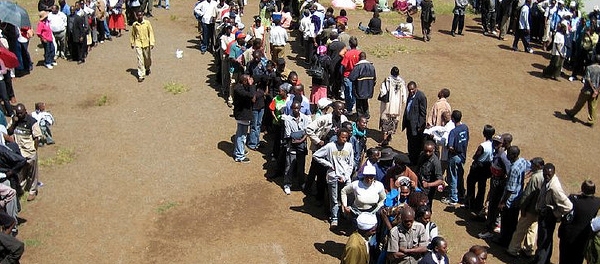
The presidential elections in Kenya on 4 March will test the progress Kenyan society has made towards peace and stability after the highly contested and violent elections of 2007.
The Economic Diplomacy of Kenya’s Regional Interests

Increasing attractiveness of East Africa as a ‘frontier market’ has put Kenya in the spotlight as a gateway to the region. The country identifies six sectors and is currently implementing flagship projects to enhance its prospects.
The Platinum Sector Peace and Stability Accord: Solution or Reprieve?

On 25 February 2013 Mineral Resources Minister Susan Shabangu announced that the Association of Mineworkers and Construction Union (AMCU) had acceded to the Platinum Sector Peace and Stability Accord, an agreement signed the previous week between government, mining houses and labour aimed at bringing an end to the turmoil in South Africa’s platinum sector. With all major stakeholders now signatory to the agreement, is this the beginning of a return to normality in the platinum sector?
The BRICS and the New World Order: A Beginner’s Guide
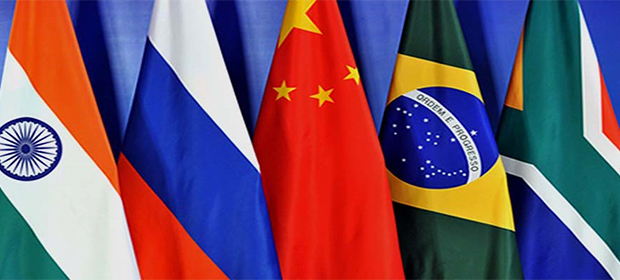
As South Africa gears up to host the Fifth Annual BRICS Summit next month, SAIIA has released a comprehensive new BRICS Guide to help observers understand the dynamics at play.
Africa Energy Indaba: Empowering Renewable Energy Sources?

2013 sees South African cities play host to a number of international events.
A Year after Busan: Where is the Global Partnership Going?
The paper takes a critical look at the Global Partnership for Effective Development Cooperation, assessing progress, trends and challenges that have emerged in the year since the Fourth High Level Forum held in Busan.
State of the Nation 2013: Implications for Business

President Jacob Zuma addressed a somewhat distracted South African population in his State of the Nation speech. He started and finished the lengthy presentation by reaffirming the commitment of government to the vision set out in the National Development Plan. Unsurprisingly, this was one of a number of echoes of policy decisions made at the ANC’s National Conference held in Mangaung in December 2012.
SA faces a difficult test as it seeks to change its image

DAVOS is important for at least three reasons: it plays a critical role in setting an agenda for global discussions throughout the year; provides networking opportunities of the highest order; and offers countries opportunities to brand themselves with an elite, powerful investor community. It is thus appropriate that South Africa is properly represented. But what can we expect?
Russia–South Africa Relations: Collaboration in BRICS and the G-20
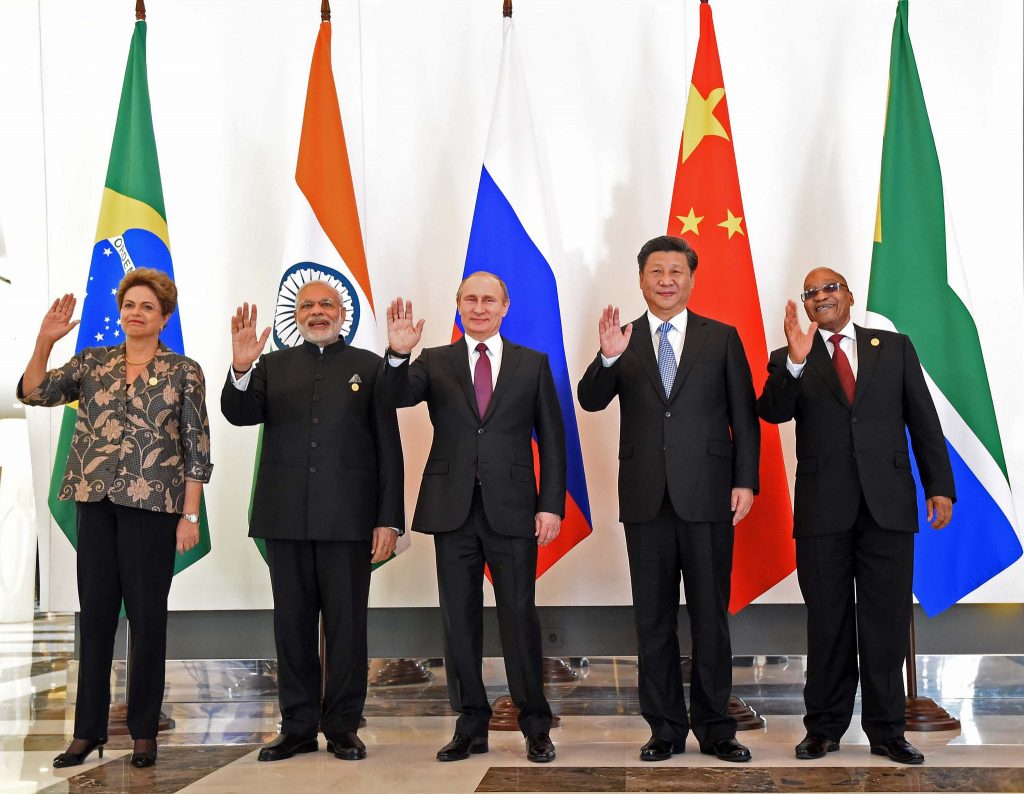
The paper investigates the features of Russia–South Africa relations in light of their membership in BRICS and the G-20.
Resource nationalism threatens Africa’s mining boom

At one level, it seems to be a misnomer used to describe just about any assertive stance taken by governments on extractive sector governance. At another level, it has been used to denote grassroots level activism, extending in some respect to the labour unrest which the rhetoric around the nationalisation of mines in South Africa may have exacerbated.