

The Evolving Nature of Chinese Telecommunications Investment in the DRC
ZTE was the first Chinese company to invest in the Democratic Republic of Congo (DRC) telecommunications sector, acquiring a majority shareholding in mobile phone operator, Congo Chine Télécoms (CCT), in 2000.
COP17: What Role for South Africa as an Agent of Change?
The South African government is hosting the 2011 annual UN-led international climate change talks – negotiations that seek to shape the future architecture of the global climate change regime.
Chinese Banking Interests in Mozambique

Unlike in most other African countries, Chinese financial involvement in Mozambique includes state-owned banks (Export–Import Bank of China – Exim Bank, and the China Development Bank – CDB) and private commercial interests, in the form of Geocapital, a Luso-Chinese fund.
The Sicomines Agreement: Change and Continuity in the Democratic Republic of Congo’s International Relations
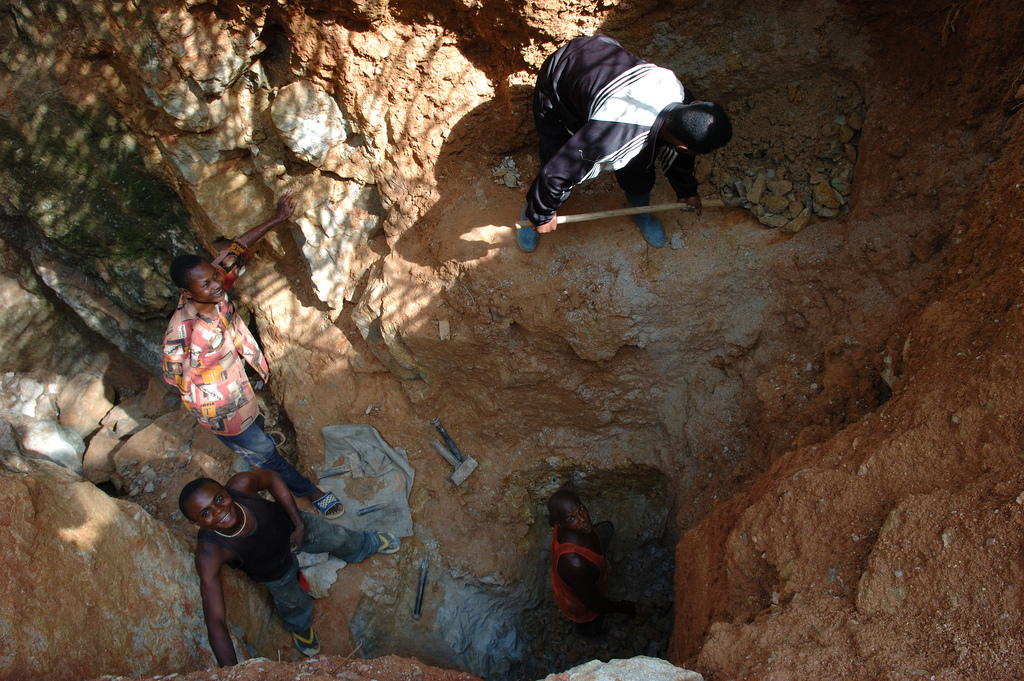
The Sicomines multibillion minerals-for-infrastructure deal was struck in 2007 between the Democratic Republic of Congo (DRC) and China.
Nigeria and the Global Powers: Continuity and Change in Policy and Perceptions

Since the end of military rule in May 1999, Nigeria’s foreign policy has been the subject of academic and policy interest.
‘Troubled Waters’ Sustaining Uganda’s Lake Victoria Nile Perch Fishery

Lake Victoria supports one of the largest freshwater fisheries in the world.
Climate Change: Africa divided

South Africa’s negotiating stance is informed by numerous national and regional considerations, with the key objective of encompassing the continent and drawing the most vulnerable into the centre of the debate.
South Africa’s development partnership agency: A burden or blessing?
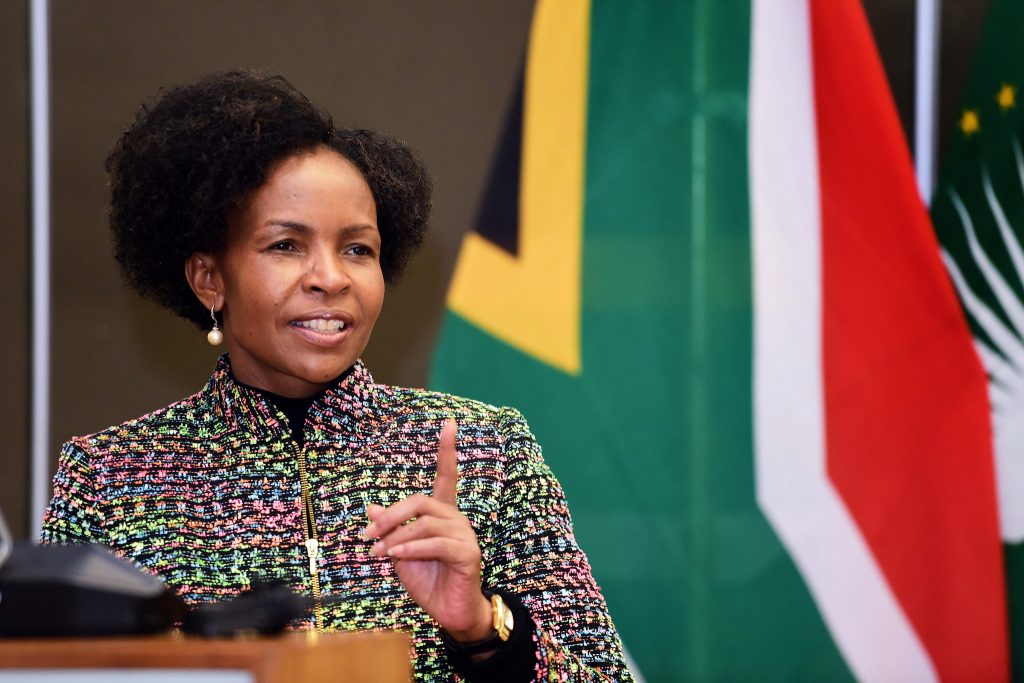
The South African Development Partnership Agency (SADPA) will be set up by April 2012, according to a recent briefing to Parliament by the Department of International Relations and Cooperation (DIRCO).
China and Post-Conflict Reconstruction in Africa: The Case of Sudan
China in Africa Project – part of the Global Powers and Africa programme.
Indian Mining Companies in the Democratic Republic of Congo

The main mining companies in the Democratic Republic of Congo (DRC) are listed in Canada, Australia and the US.