
Green Taxonomies in the Global South

This policy brief explores the potential value and limitations of a taxonomy as both a technical tool and a policy tool for the Global South. It puts forward recommendations for how taxonomies can be used to boost financial flows to meet climate and other environmental goals.
The Role of Social Protection Policies in Enhancing Climate Resilience
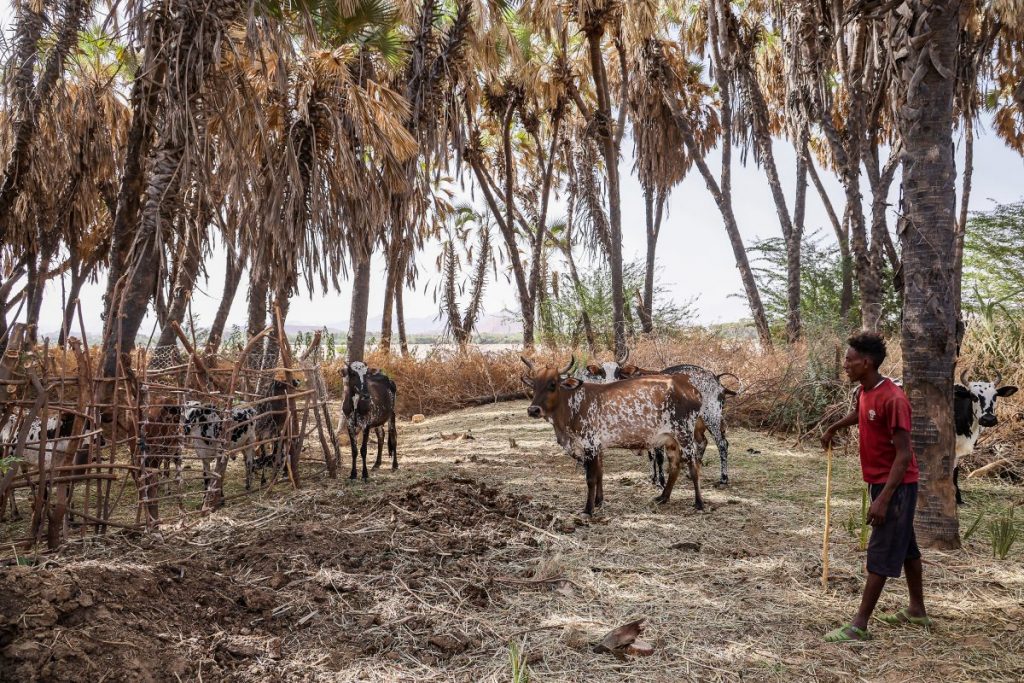
Climate change will push more than 130 million people into poverty if there are not sustained efforts to reduce carbon emissions and implement climate adaptation plans.
SAJIA Volume 31.1 Explores Cross-Border E-commerce, Semi-Consociationalism in Burundi, and African Climate Negotiations
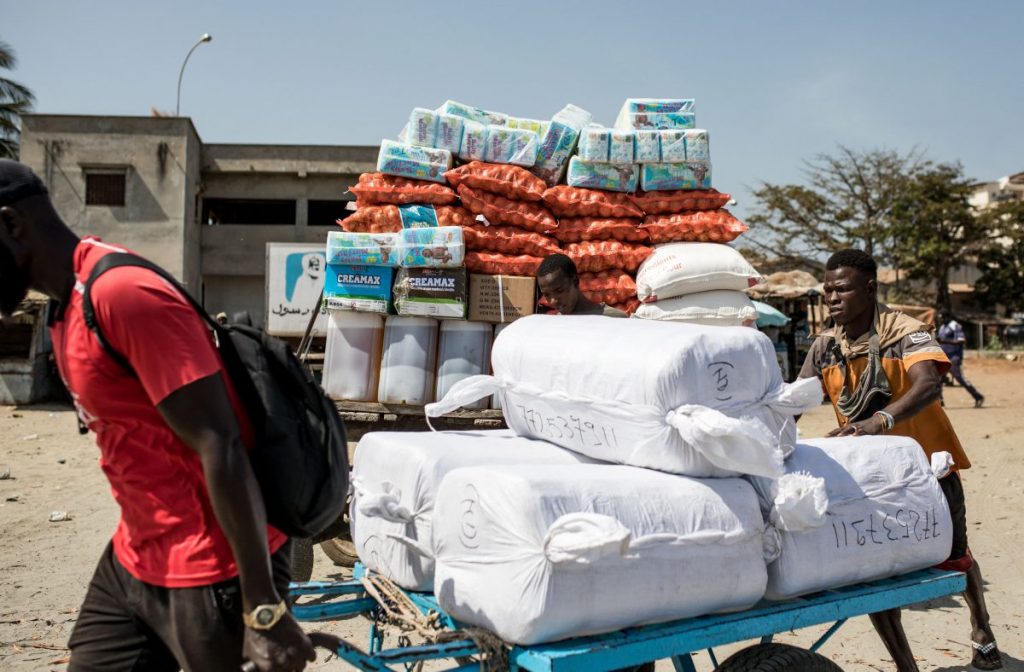
The latest issue of the South African Journal of International Affairs covers a range of topics including cross-border e-commerce and ECOWAS’ response to the resurgence of coups d’etat in West Africa.
Ecosystem-based Adaptation (EbA) for Disaster Risk Preparedness in Africa
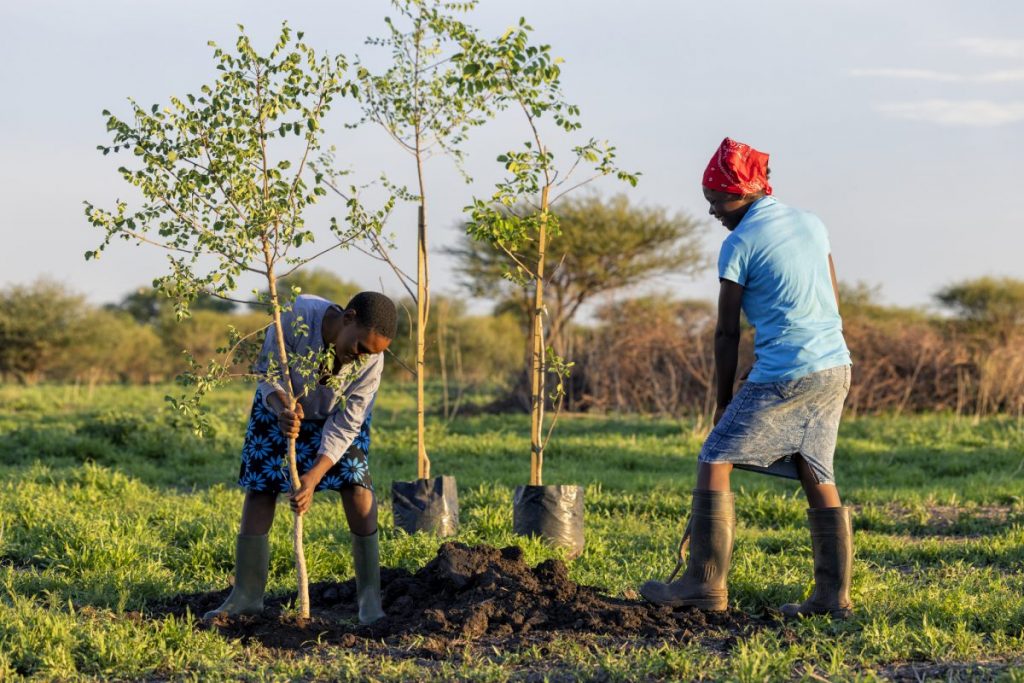
This policy insight identifies opportunities for enhanced ecosystem-based disaster risk reduction (Eco-DRR) uptake in Africa.
Strengthening Civil Society Participation in the NDC Revision Process: Insights from Mozambique, South Africa and Zambia
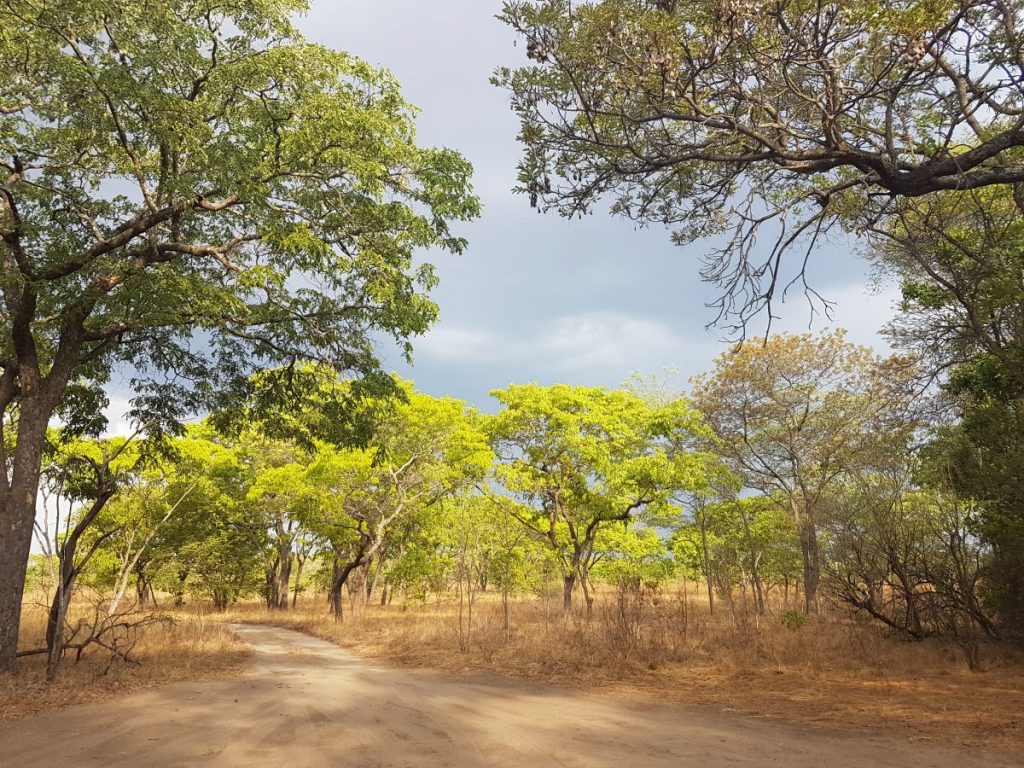
Focusing on NDC development and civil society participation in Mozambique, South Africa and Zambia, this paper sets out recommendations to enhance collaboration between government and civil society to support more inclusive NDC development processes.
Q&A: Inclusive Climate Policymaking Insights from Southern Africa
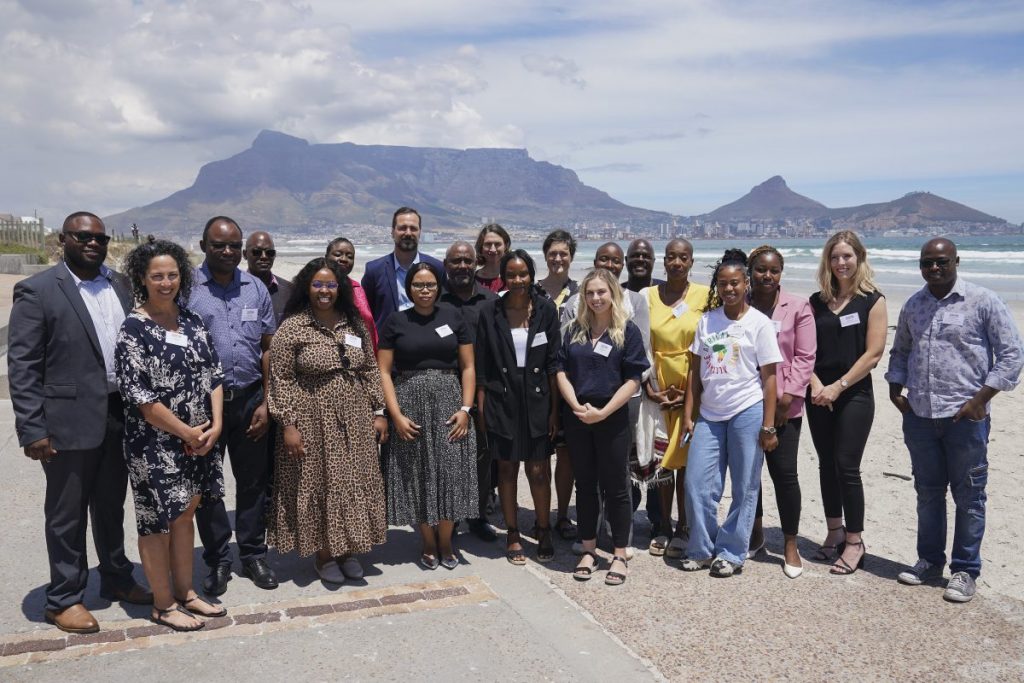
Climate change is a pressing global challenge, requiring effective policy responses at global, regional and national levels.
Innovative Financing for Local Coastal Communities in Madagascar
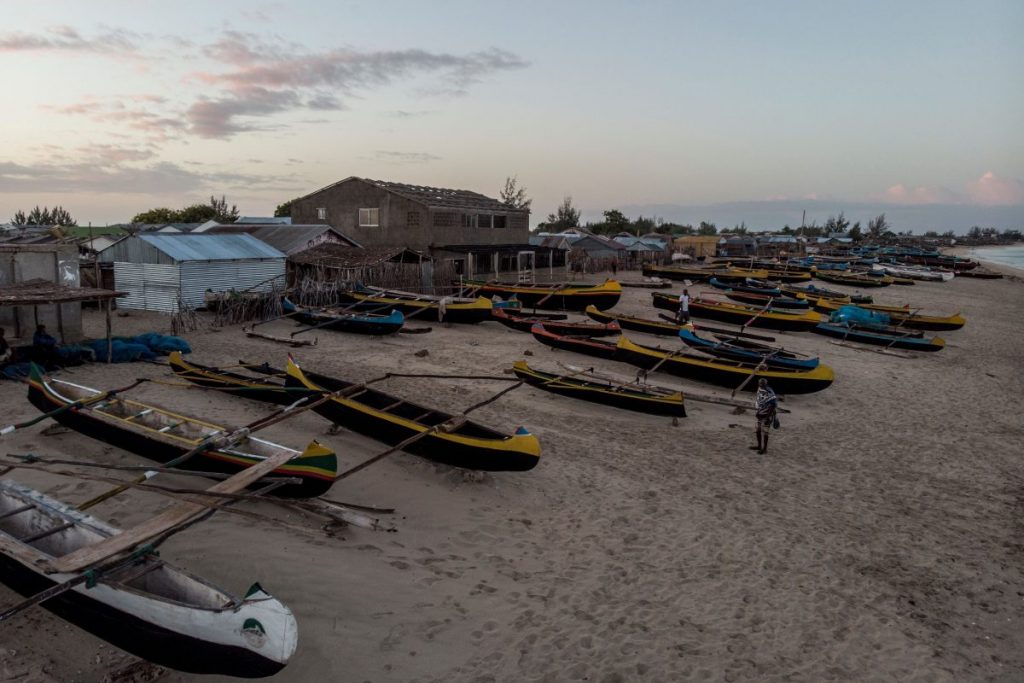
Despite efforts to engage coastal communities in conservation and natural resource management, Madagascar still faces increasing natural resource degradation and biodiversity loss.
Inclusive Development of NDCs in Mozambique, South Africa and Zambia: Summary Findings

This policy briefing provides essential recommendations for policymakers, informed by the findings of the project ‘Strengthening Civil Society Voices on Natural Resources and Climate’.
Navigating Governance Challenges in African Critical Mineral Supply Chains

There is currently a lack of transparency and accountability in critical mineral supply chains, which not only undermines the mining sector’s ability to contribute to sustainable development on the African continent, but also poses a serious threat to the success of the global energy transition.
Beyond Linear Economies: Envisioning the Future of Circular Economies in SADC

The circular economy in the SADC region promises to address environmental concerns while driving economic transformation by transitioning from the linear economy model.