
Macroeconomic Policy Development in Tanzania
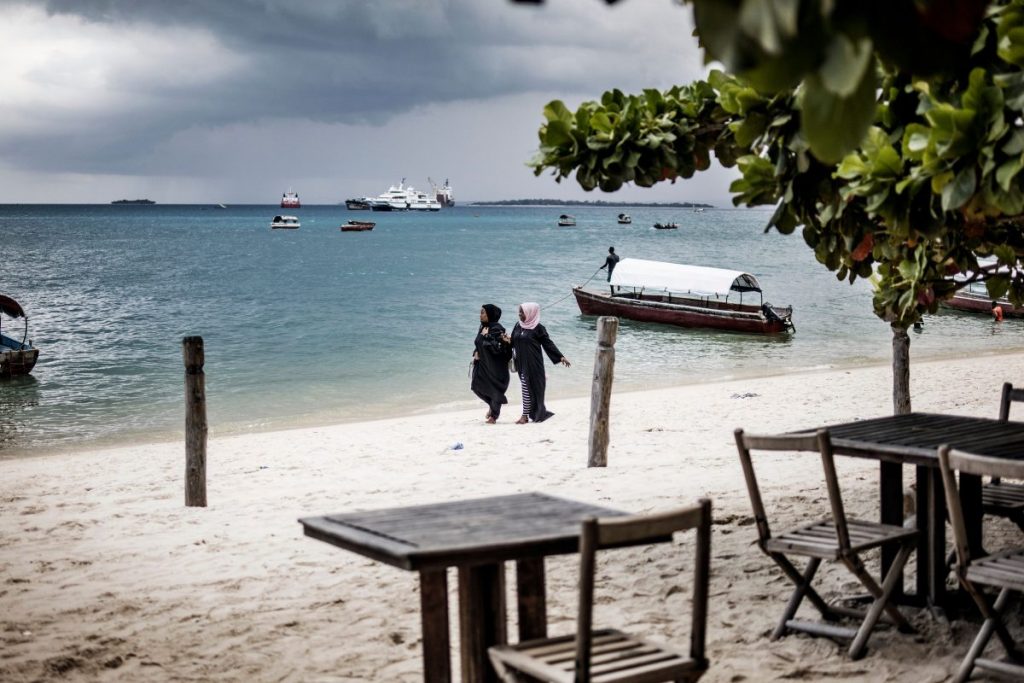
During the period between 1961, when Tanzania attained independence, and the mid-1980s, the country followed socialist macroeconomic policies.
Mapping the Future of Africa–China Relations: Insights from West Africa
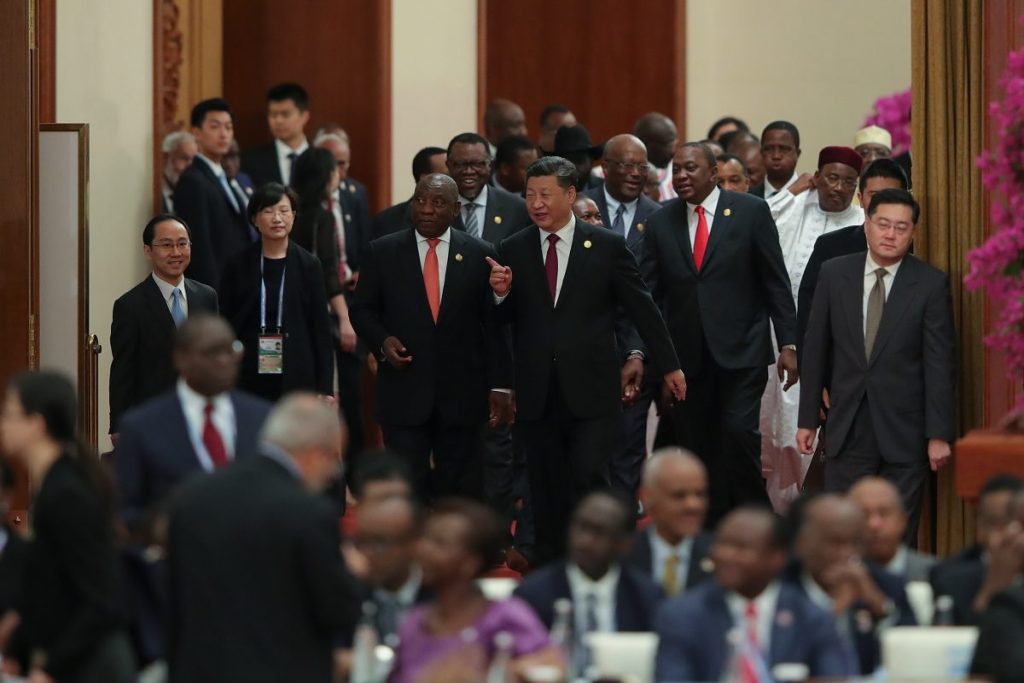
The year 2020 marked two decades since the start of the Forum on China–Africa Cooperation (FOCAC).
International Involvement in the African Nuclear Market

African countries want to become major competitors in the global economy.
No Mine is an Island: Shared Infrastructure for Social Benefit in the African Extractives Industry

The quality and availability of transport and other critical infrastructure has been a major
barrier to the development of world-class mineral deposits in Africa.
Efficacy of COVID-19 Macro-economic Policy Responses in Uganda

COVID-19 has caused an unprecedented economic and health shock in Uganda, as has been the case globally.
Nuclear disarmament: What the world can learn from Africa

On 22 January 2021, the UN Treaty on the Prohibition of Nuclear Weapons (the Ban Treaty) entered into force.
Cameroon’s Separatist War: Anglophone Grievances and its Diaspora
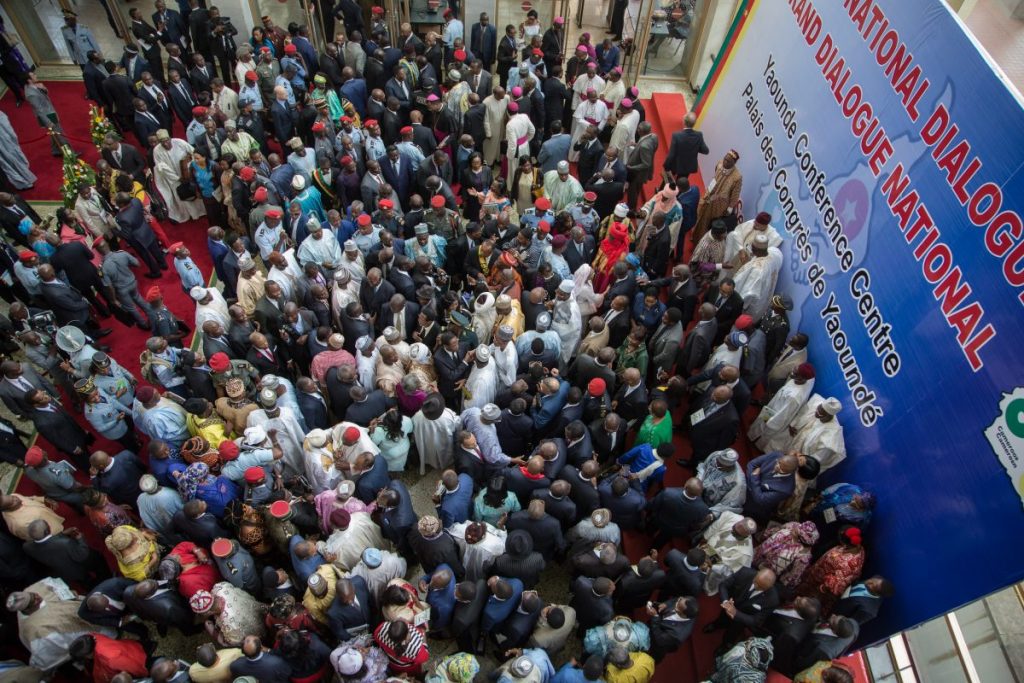
The population of the two English-speaking regions (formerly British Southern Cameroons) makes up about one-fifth of the total population of Cameroon, constituting a sizeable minority in the country’s estimated 28.5 million people.
How Zambia and China Co-Created a Debt ‘Tragedy of the Commons’

Zambia is a clear outlier among African borrowers for its high level of Chinese loan commitments relative to its economy and its outstanding debt. What explains this exceptionalism?
Assessing the Implications of the APRM’s Expanded Mandate
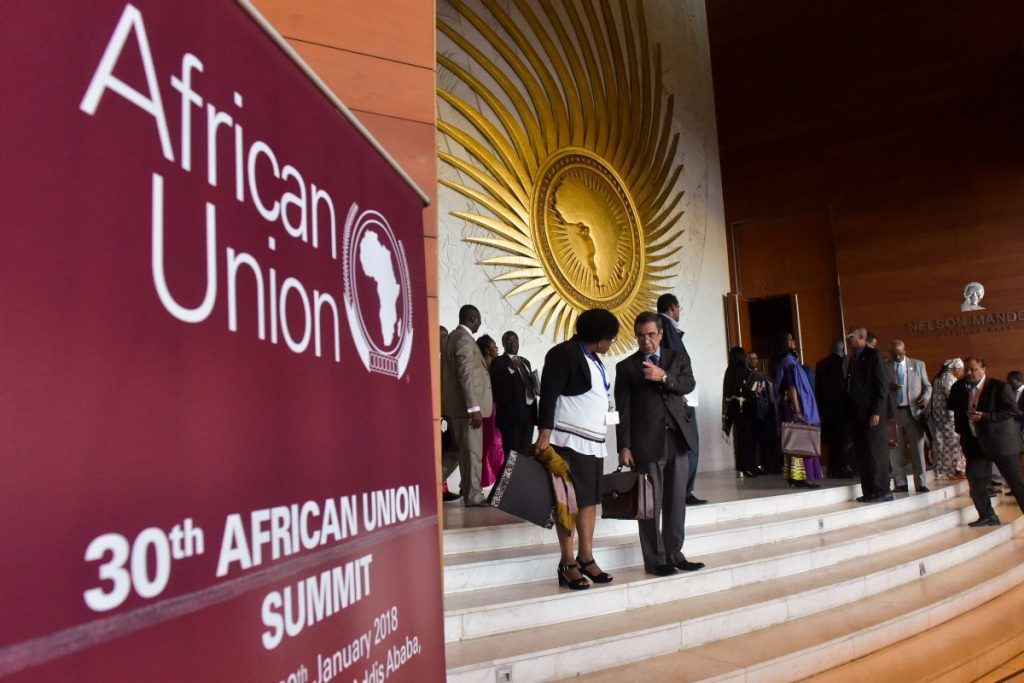
The core mandate of the AU’s African Peer Review Mechanism (APRM) – initiated in 2002 and established in 2003 – is ‘to foster the adoption of policies, standards and practices leading to political stability, high economic growth, sustainable development and accelerated regional and continental economic integration’.
Russia’s efforts to promote cyber norms that serve its interests gain traction in Africa

A proposal by Russia that the United Nations should consider a global cybercrime treaty has been adopted with the support of 30 African countries, raising concerns that Moscow’s known preference for state cyber sovereignty will prevail in ways that give countries regulatory freedom to stifle political opposition or citizen dissent.