

Chinese Manufacturing and Agricultural Investment in Tanzania: A Scoping Study
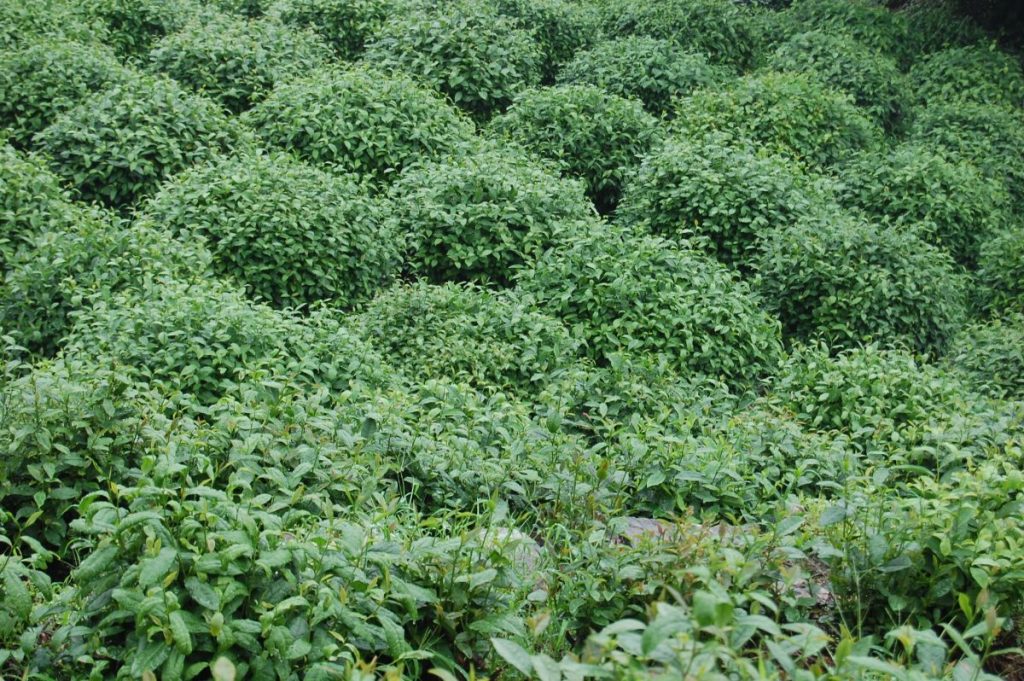
This paper uses empirical evidence from the field to examine Chinese manufacturing and agricultural investments in Tanzania.
Climate resilience in developing cities: Msimbazi Basin, Dar es Salaam

In Dar es Salaam, the Msimbazi Basin is one of the fastest growing and most rapidly urbanising areas. This, coupled with insufficient service provision, high poverty levels and frequent floods, has a significant impact on the population.
Chinese Agricultural and Manufacturing Investment in Kenya: A Scoping Study
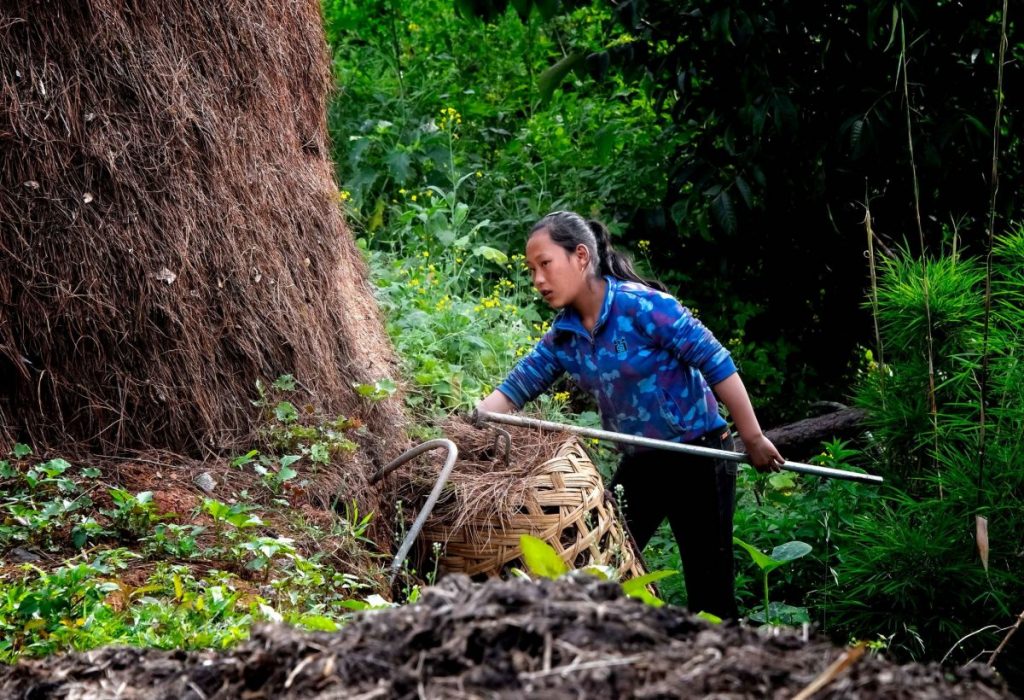
This paper examines ongoing Chinese investments in Kenya’s agricultural and manufacturing industries. Overall, we found that more and more Chinese firms are exploring business opportunities in these two sectors, although growth has been unsteady.
The ‘Kagame Reforms’ of the AU: Will they stick?
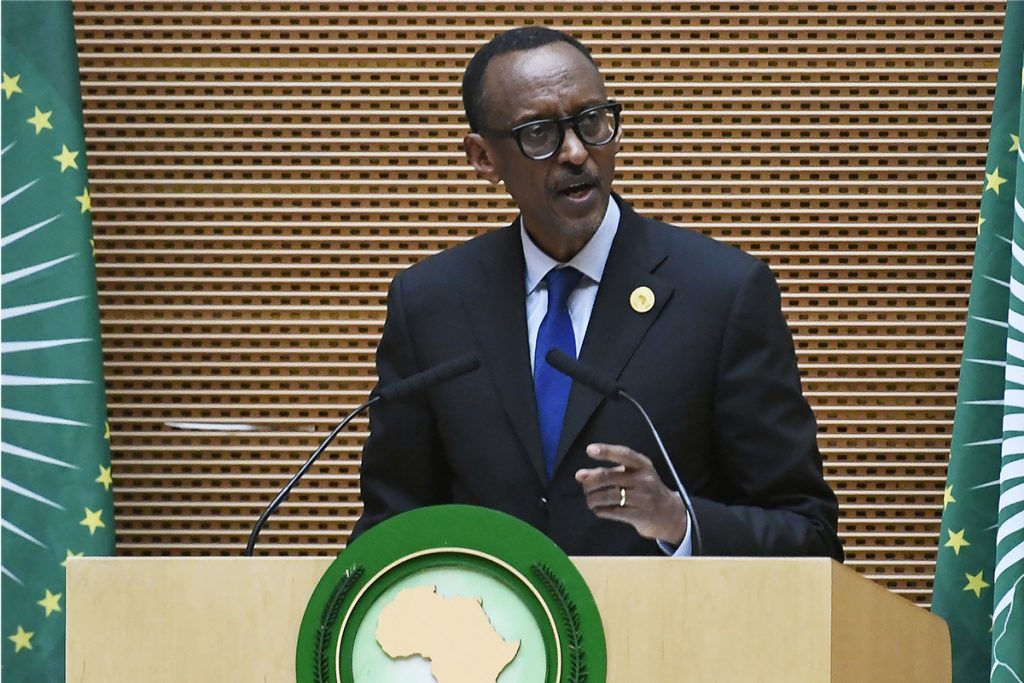
Rwanda’s President, Paul Kagame, has been tasked with leading the institutional reform process of the African Union.
‘African states among most innovative in measuring & reporting on SDG 16’

African states are among the most innovative and committed countries in measuring and reporting on the UN’s Governance Goal (Sustainable Development Goal 16), according to a ground-breaking new report by SAIIA and the United Nations Development Programme.
A tale of two continents: Comparing migration experiences in South Africa & Germany

South Africa and Germany have both had a long history of migration, although they have adopted different approaches to managing migrants and have experienced different challenges and levels of success.
Is Africa measuring up to its Goal 16 commitments? The road to HLPF 2019 and beyond

The 16th Sustainable Development Goal focuses on achieving peace, justice and strong institutions. Many African countries have been at the forefront of efforts to measure and achieve this goal.
Comparing the Determinants of Western and Chinese Commercial Ties with Africa
In recent decades, China has risen to prominence in the global economy with breakneck speed. For example, its foreign direct investment outflows have increased more than 250—fold since 1990 and its bilateral trade volume increased by a factor of 24 between 1992 and 2015.
The Osaka G20 Summit and Africa
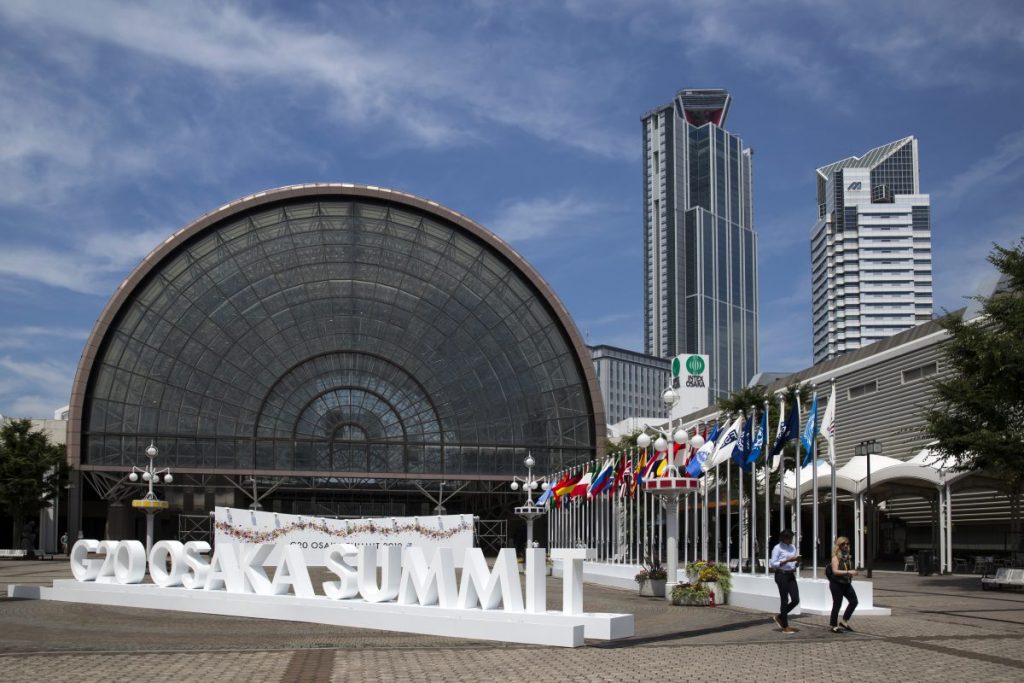
G20 leaders meeting in Osaka today and tomorrow may be wondering whether the planned agenda will be overtaken by rapidly unfolding events in the Persian Gulf or the US-China trade dispute.
Africa and G20: Not just development

As the world’s premier forum on international economic governance, the G20 plays an important role in global rule-making.