
Troubling times ahead: election scenarios for the DRC

Many observers have welcomed the August announcement that President Joseph Kabila will not be contesting the national elections scheduled for December in the Democratic Republic of Congo (DRC).
Danger of blurring global migration governance and health security agendas in Southern Africa

This paper explores the potential risks associated with the blurring of global migration governance and health security agendas in Southern Africa, a region associated with high levels of population mobility, communicable, and – increasingly – non-communicable diseases.
Debt trap? Chinese loans and Africa’s development options
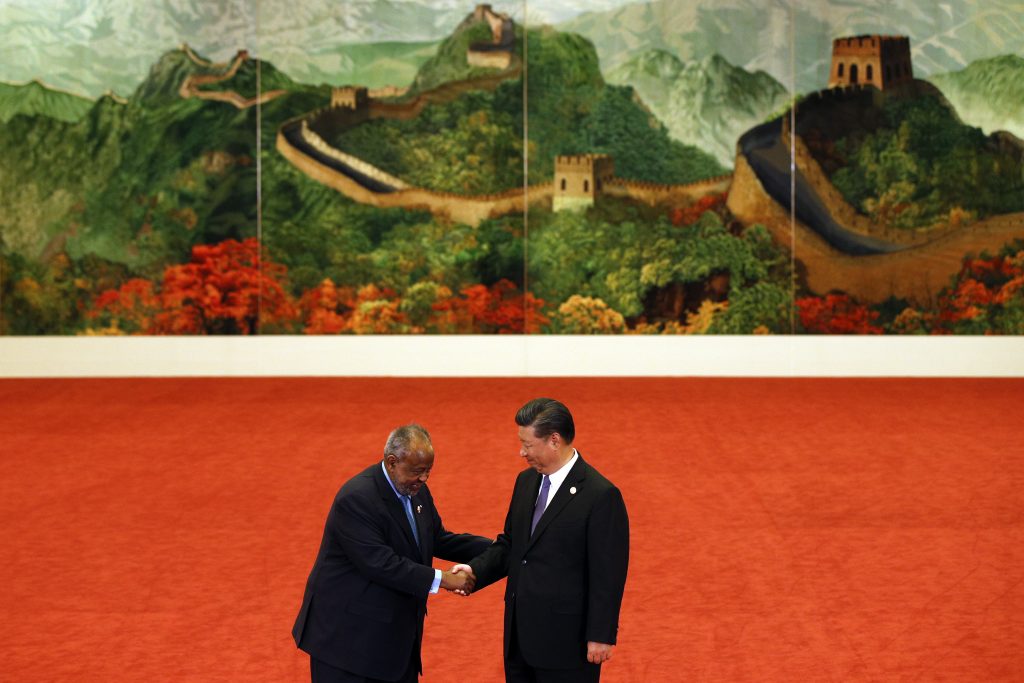
Africa’s growing public debt has sparked a renewed global debate about debt sustainability on the continent. This is largely owing to the emergence of China as a major financier of African infrastructure, resulting in a narrative that China is using debt to gain geopolitical leverage by trapping poor countries in unsustainable loans.
Work, Employment, and Training Through Africa China Cooperation Zones: Evidence from the Eastern Industrial Zone in Ethiopia
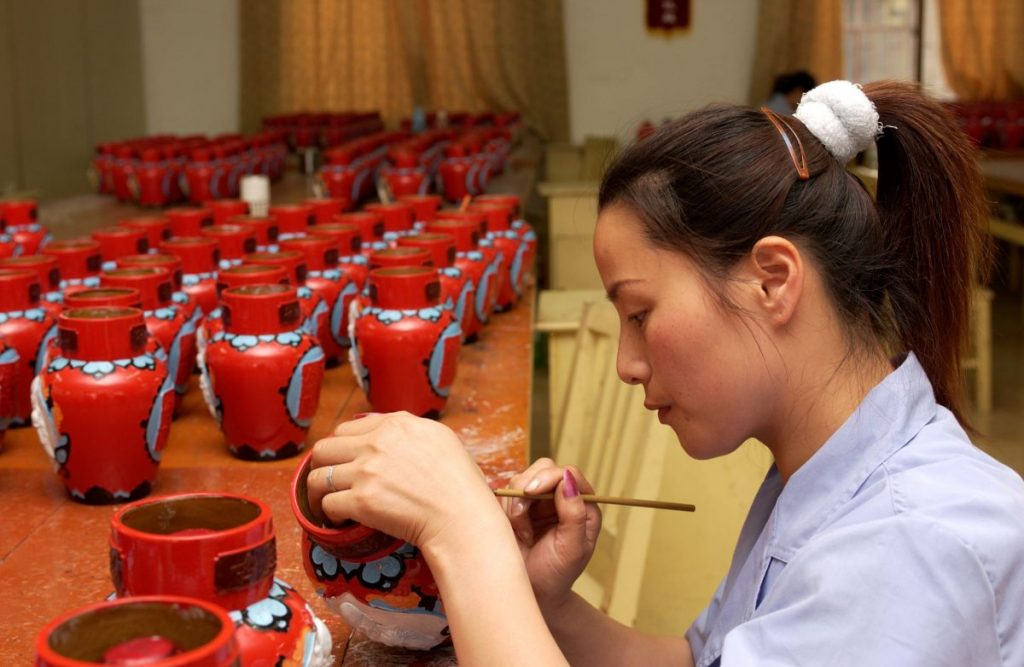
This working paper investigates the developmental impacts of Ethiopia’s Eastern Industrial Zone (EIZ), with a particular focus on local employee experiences of working for, training with, and learning from resident companies. As an emerging mode of Africa-China cooperation, the promotion of Chinese special economic zones (SEZs) has attracted much academic and media attention.
Foreign Direct Investment: Lessons from SADC

With the financial support of the Konrad Adenauer Foundation (KAS), the South African Institute of International Affairs (SAIIA) conducted research on the interplay between foreign direct investment (FDI), trade liberalization and regional integration (RI) in SADC.
Reviving regional momentum

Following the 38th Southern African Development Community (SADC) Summit which took place on 17-18 August 2018 in Namibia, questions around the region’s economic integration and development progress arose once more.
South Africa’s role in the lion bone trade: a neglected story

Africa’s wild lion population is estimated to be between 20,000 and 30,000. Researchers have good reason to believe that the real number is closer to 20,000. This puts lions in the “vulnerable” category of threatened species.
BRICS: Getting to grips with the drivers and dividers
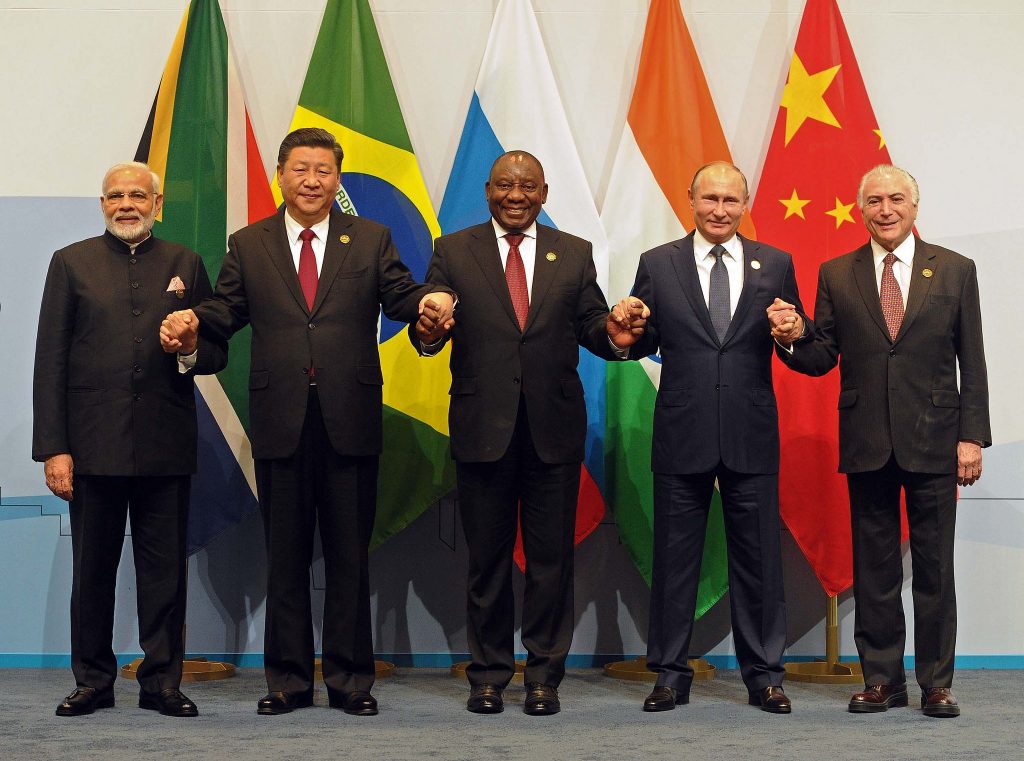
The 10th BRICS Summit in Johannesburg is now behind us. It occurred on the back of a few years of significant domestic economic and political changes among some of the BRICS and diverging national interests. Critics of the bloc will rightly point out these challenges and divergences, but often neglect that in some areas the BRICS have converging interests which have cemented their cooperation.
Bridging the digital divide and supporting increased digital trade: Scoping study

The global economy is experiencing important technological shifts, with the rise of digital technology a key driver.
Picking a bone with captive predator breeding in South Africa

In July 2018, without public consultation or scientific substantiation, South Africa’s Department of Environmental Affairs (DEA) raised its annual lion skeleton export quota to 1,500, up from 800 the year before. These skeletons are supplied by the predator breeding industry, which breeds lions in captivity for multiple and sometimes overlapping purposes. This is the working paper of a report in two parts.