

BRICS Gender Forum: Putting women at the centre of development

2018 is a key year for the BRICS. Not only is it a decade since the first BRICS meeting, it is also the first time the bloc will directly address gender disparities through the proposed creation of the BRICS Gender and Women’s Forum, championed by South Africa in its capacity as chair.
South Africa’s China choice revisited
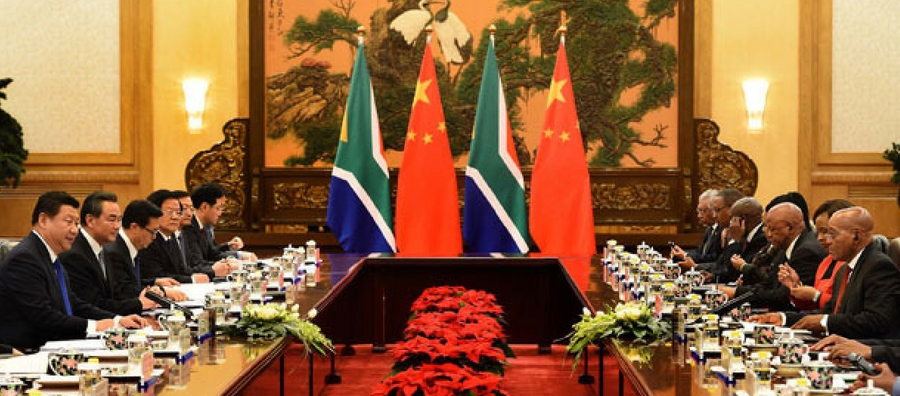
The year 2018 marks the 20th anniversary of the establishment of formal diplomatic ties between South Africa and the People’s Republic of China (PRC). Though the PRC is now South Africa’s largest trading partner and is a co-member of the BRICS grouping, relations between Pretoria and Beijing were not always so close.
South Africa: Driving the BRICS agenda
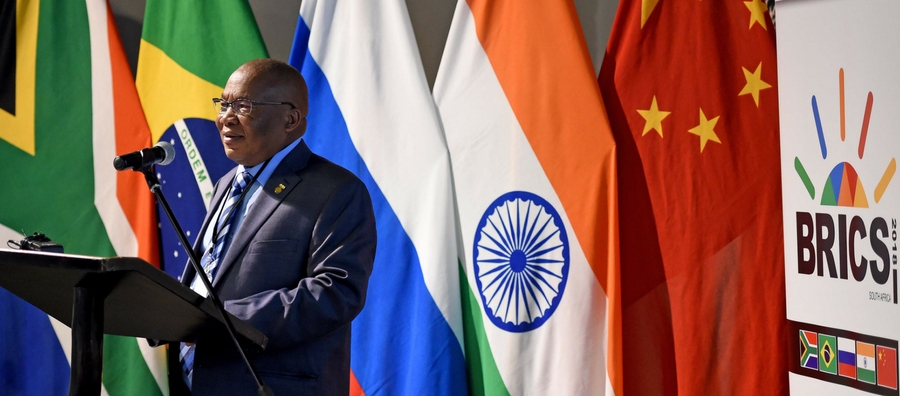
South Africa will host the BRICS (Brazil, Russia, India, China and South Africa) group for the bloc’s 10th summit from July 25 to 27. South Africa’s inclusion in the group has long been questioned, as by most indicators – economic, geographic, and demographic – it is dwarfed by its BRICS counterparts.
BRICS, Africa and global economic governance: Achievements and the future
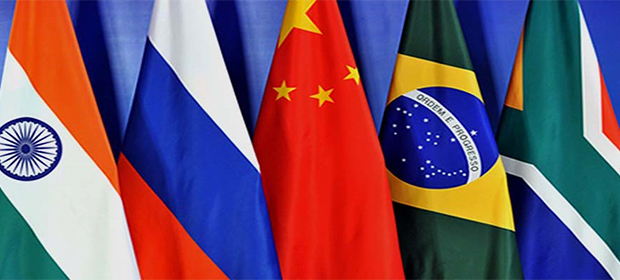
From 25 to 27 July 2018, South Africa is hosting its second BRICS summit and the 10th since the BRICS’ establishment. Since joining the BRICS in 2010, South Africa has added its weight to global economic governance reform, specifically of the Bretton Woods institutions (BWIs), with the view to make them more representative and responsive to developing country concerns.
Learning Lessons from multi-stakeholder initiatives

Some 2,000 representatives of civil society, government and the tech community from over 70 countries met in the beautiful and sunny capital of Georgia, Tbilisi, from 17 to 19 July to discuss progress in governmental transparency and accountability during the 5th Open Government Partnership (OGP) Summit. It is worth reflecting on what this initiative is and what it and its counter-parts aim to achieve.
BRICS should adopt inclusive approach to women

The BRICS bloc has contributed to global governance by establishing multiple platforms that enhance dialogue and cooperation. In 2018 a forum dedicated to the empowerment of women will be added. Where do the BRICS countries stand in terms of gender parity?
BRICS-Africa cooperation: Achievements and opportunities
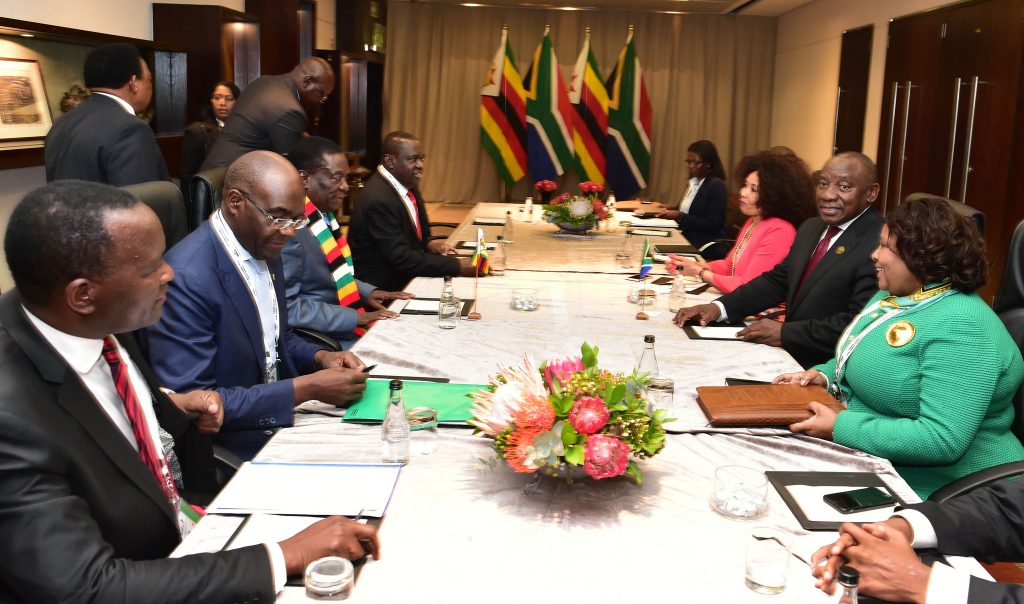
This briefing highlights Africa’s priorities, South Africa’s efforts in promoting these within the BRICS, and challenges and opportunities in Africa–BRICS cooperation.
Prospects for the Kenyan Blue Economy
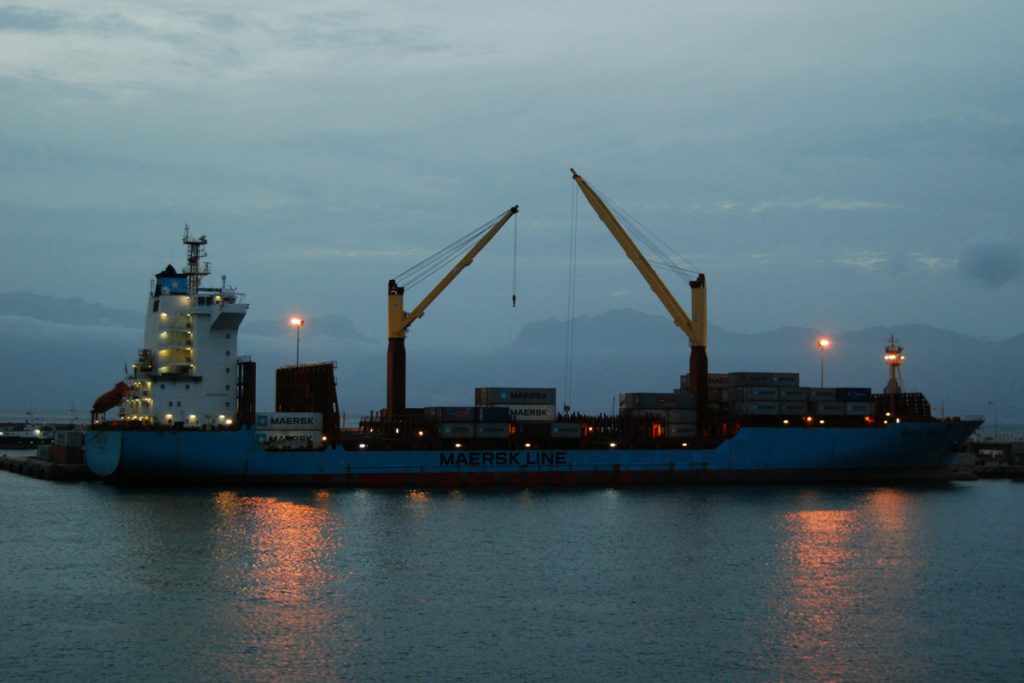
The government of Kenya is increasingly prioritising the Blue Economy as a potential source of employment and economic growth.
The suitability of a stabilisation fund for SACU
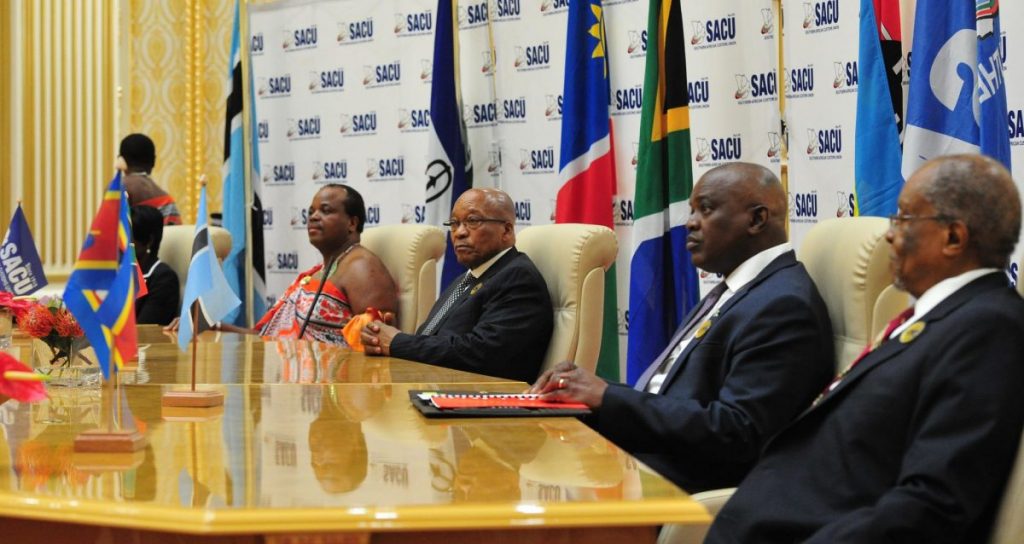
The most recent – 2002 – Southern African Customs Union (SACU) Agreement revised the customs and excise revenue sharing formula for SACU member states.
Operationalising the SADC Regional Development Fund
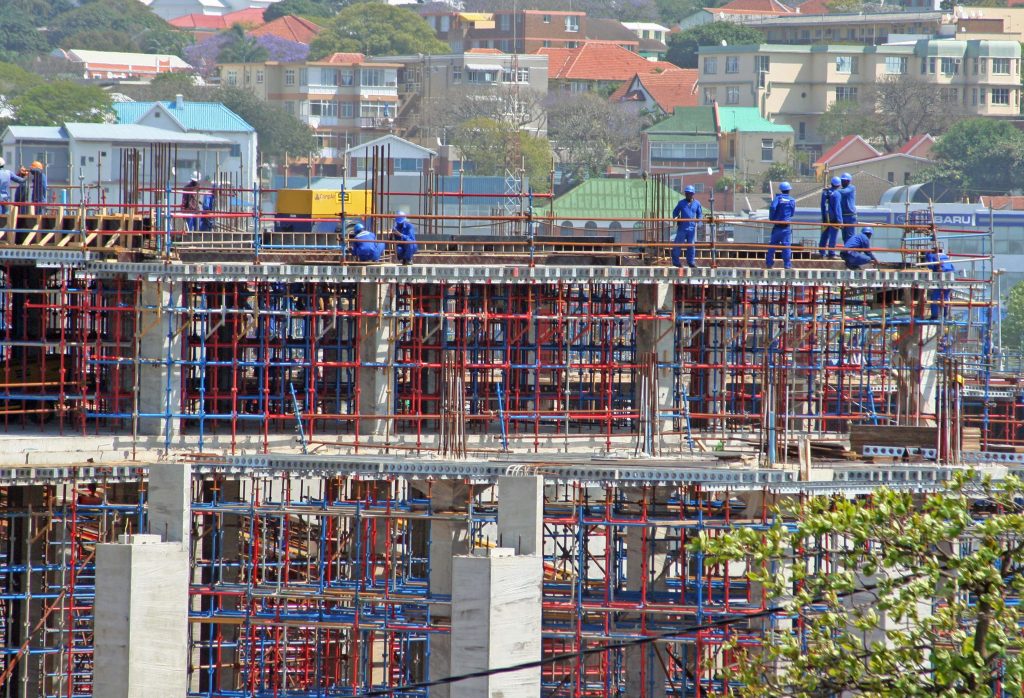
Infrastructure development, as an enabler of economic growth and catalyst for poverty alleviation, is an integral part of the economic development agenda of most African countries.