

Practical Steps SA Can Take to Reset its Relationship in the Trump Era
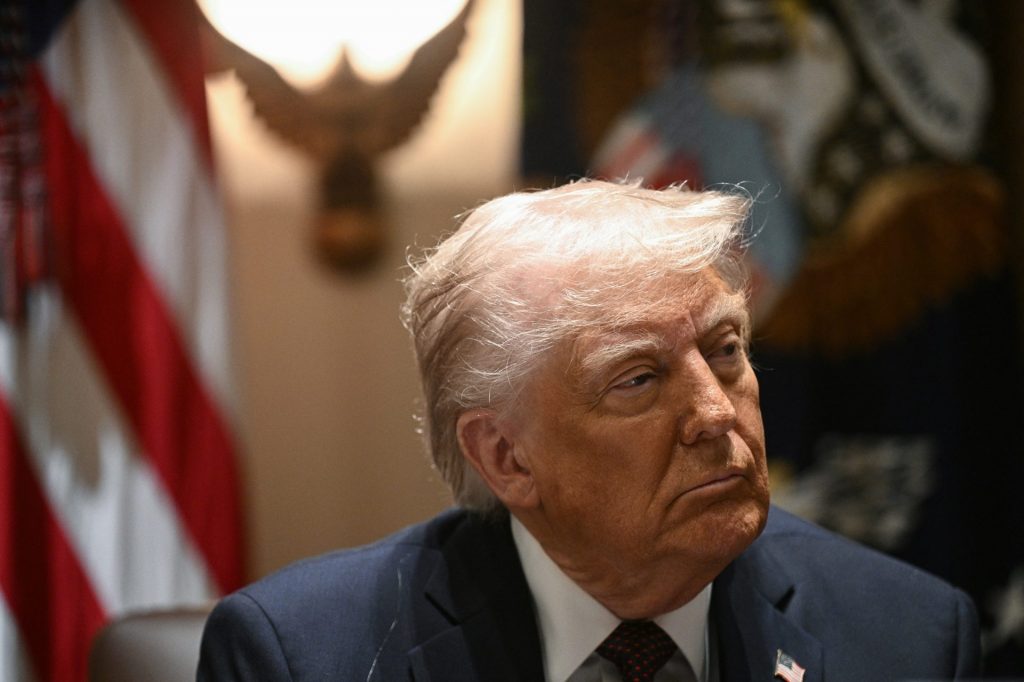
Managing US perceptions of South Africa is increasingly vital. Rational explanations alone may not be sufficient to shift entrenched views, requiring a more targeted engagement strategy.
Address by DIRCO Deputy Minister Alvin Botes on South Africa’s Evolving Foreign Policy
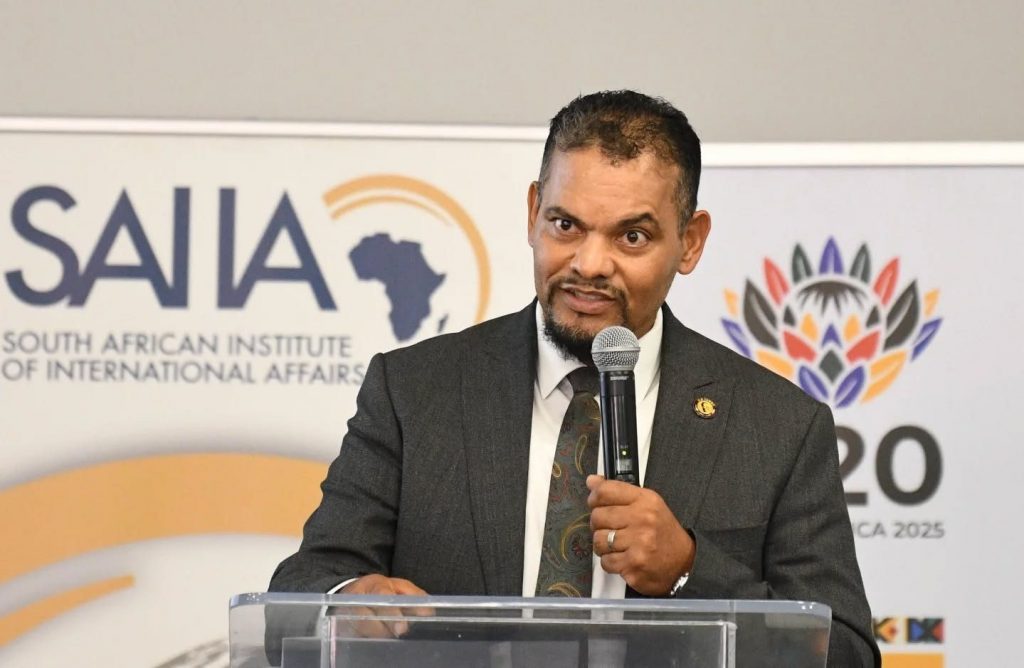
Deputy Minister Alvin Botes’s address during a symposium co-hosted by SAIIA and DIRCO exploring South Africa’s national interests and global advancements.
Climate Finance under the South African G20 Presidency
Hosting Africa’s first G20 Summit offers a unique chance to influence discussions that benefit both developed and developing nations.
DRC Debacle Batters South Africa’s Standing as an Actor in African Peacekeeping
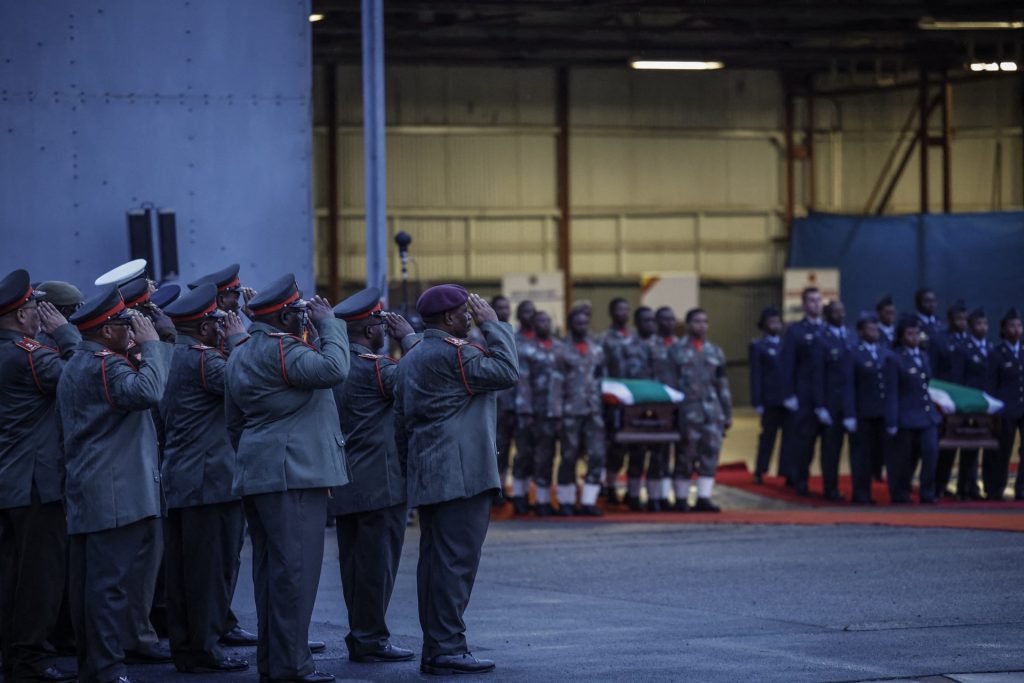
The withdrawal of the SAMIDRC force from the eastern DRC has significant negative ramifications for South Africa and SADC’s standing as a player in African peacekeeping.
Leveraging the SA G20 Presidency to Scale-Up the Compact with Africa
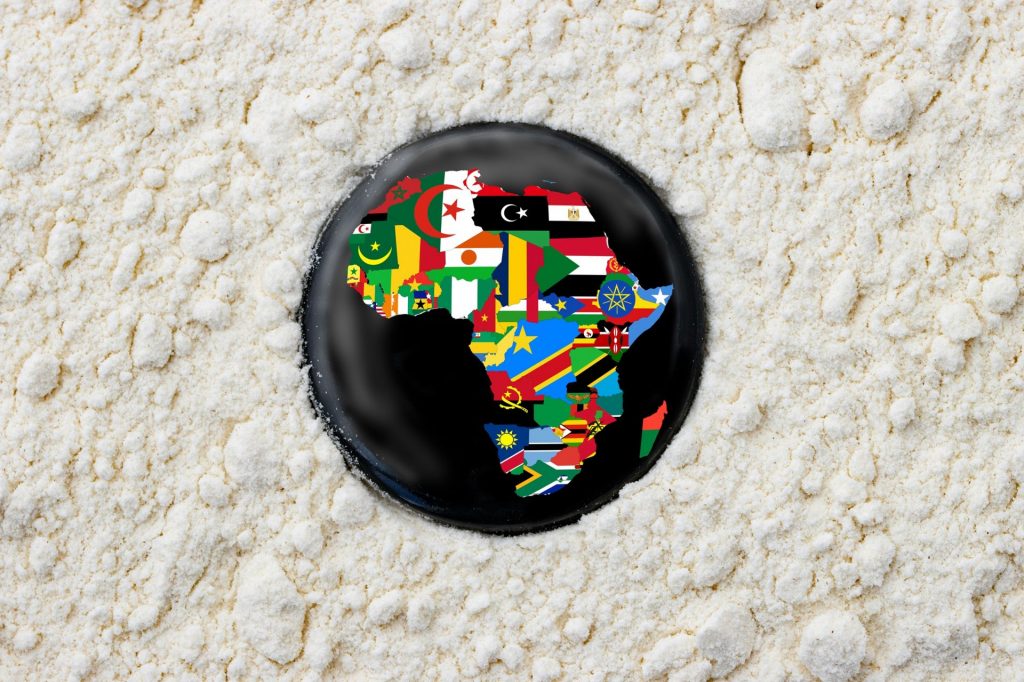
The South African G20 presidency is an opportunity to scale-up the Compact with Africa.
The G20: How It Works, Why It Matters and What Would Be Lost If It Failed
Amid a rapidly shifting global agenda, concerns are mounting around the effectiveness of international mechanisms like the G20.
US Trade Wars With China and How They Play Out in Africa
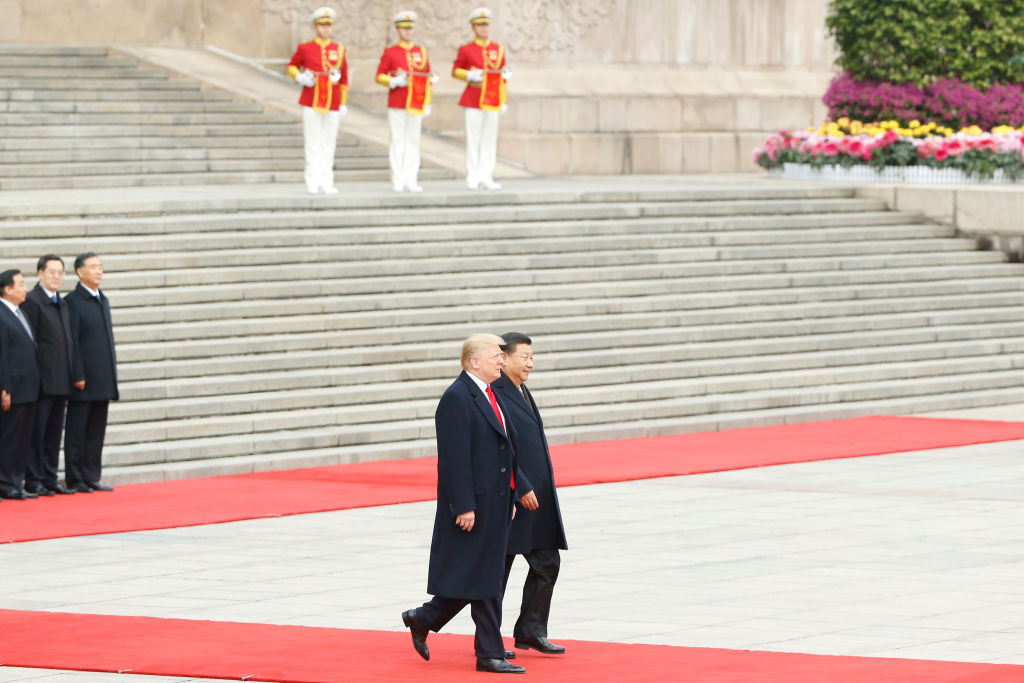
Amid fraught US-China relations, African countries are responding to new opportunities that will strengthen economic ties with China.
The G20 Food Systems Agenda
South Africa’s G20 offers an opportunity to improve food security through strong partnerships and effective diplomacy.
More Than Elections: What’s Really Driving Protests in Mozambique?
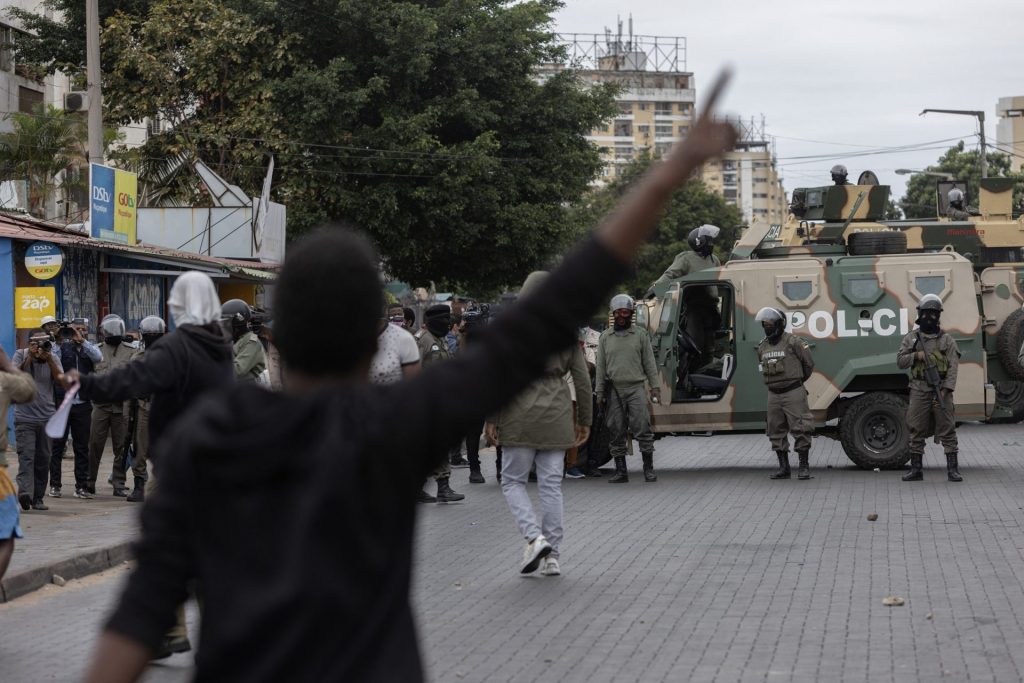
Lack of capacity and corruption have significantly eroded support for Frelimo in Mozambique, particularly among young voters, who regard its liberation credentials as much less important than those of older generations.
UN Votes on Ukraine – Shifting Alliances and the Global South’s Role
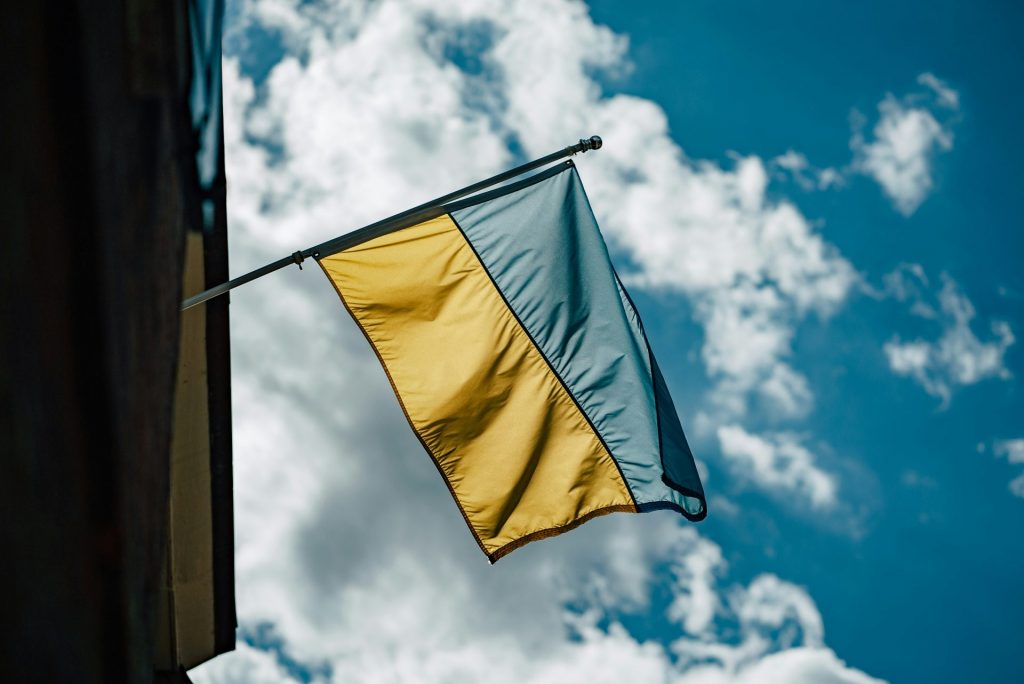
The passage of three resolutions on the Ukraine conflict by the UN Security Council and General Assembly reflects both diplomatic progress and deep divisions.