

Digging Deeper: Embedding Minerals Sovereignty in Africa’s Mining Value Chains
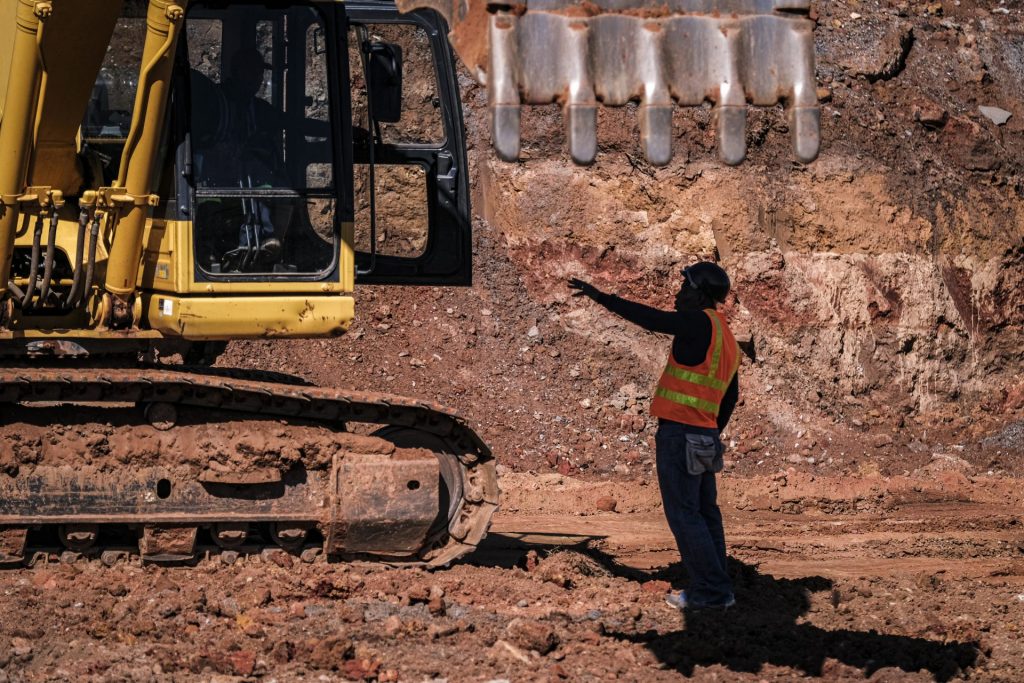
Mineral sovereignty is Africa’s right to manage its resources for local development, sustainability and economic independence, however, exploitative practices perpetuate resource and energy poverty across the continent.
Four Skills the African Union Commission’s New Leadership Needs
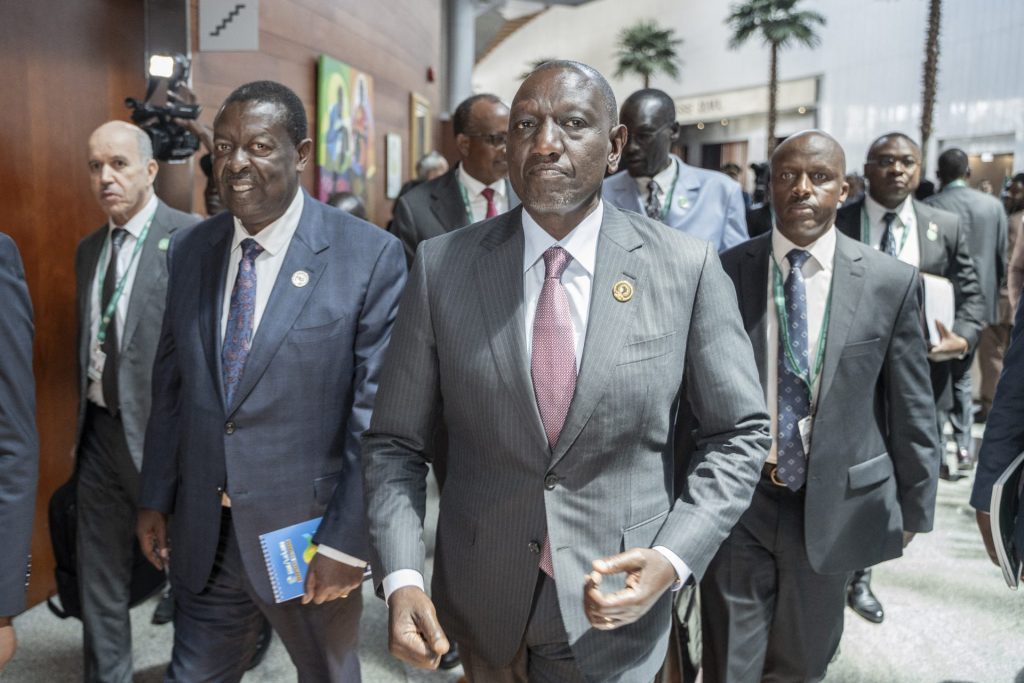
Africa needs leaders at the helm of the African Union Commission that can position the continent to move its agenda forward.
G20 Climate, Sustainability, Energy and Climate Finance Commitments
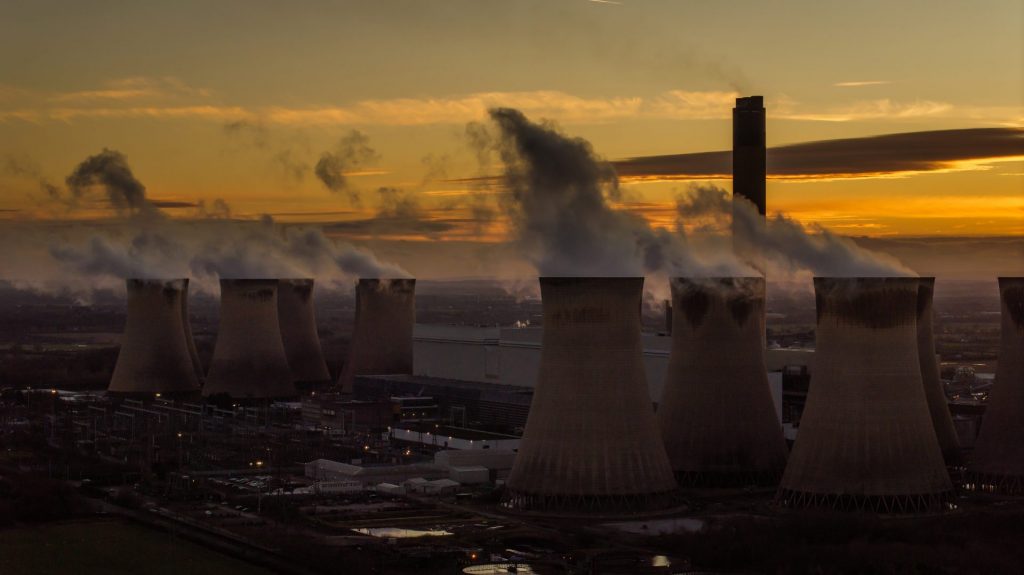
South Africa’s G20 presidency takes place amid significant challenges to multilateralism with climate change being a key focus.
Donald Trump’s War on Global Governance: Lessons From the Past on How to Fight Back
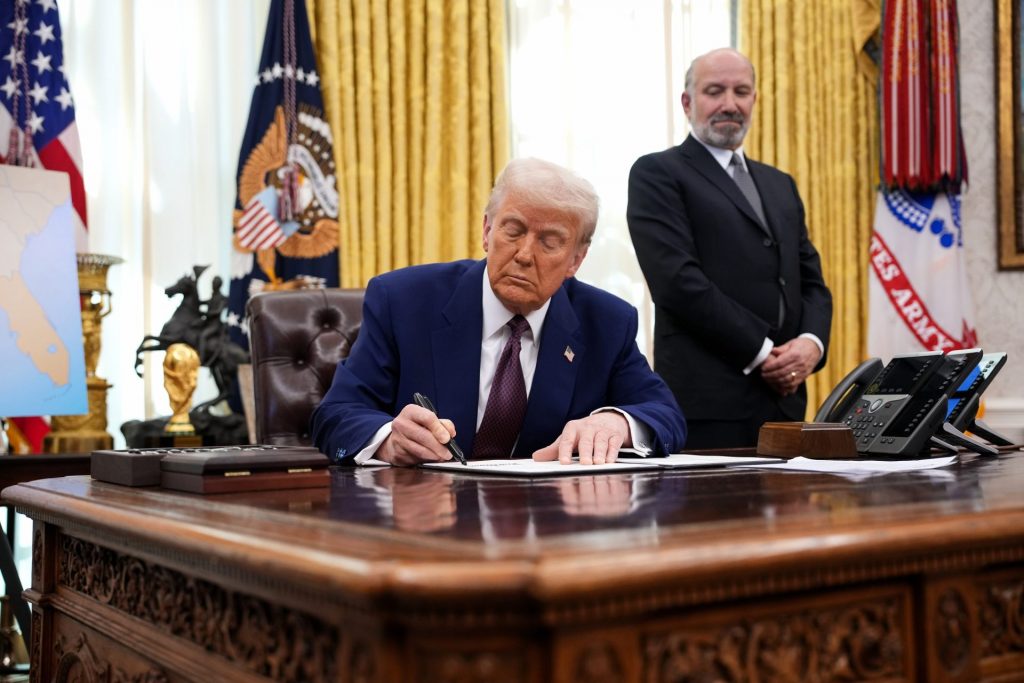
US President Donald Trump’s recent actions have undermined global collaboration and solidarity, risking the wellbeing of people and the planet.
Roadmap to Reform: Building Sustainable Transit for Africa’s Cities

Africa’s urban transportation crisis reflects broader challenges of rapid urbanisation, historical inequities and governance inefficiencies.
BRICS Expansion: Redefining Global Structural Power in a Changing World Order
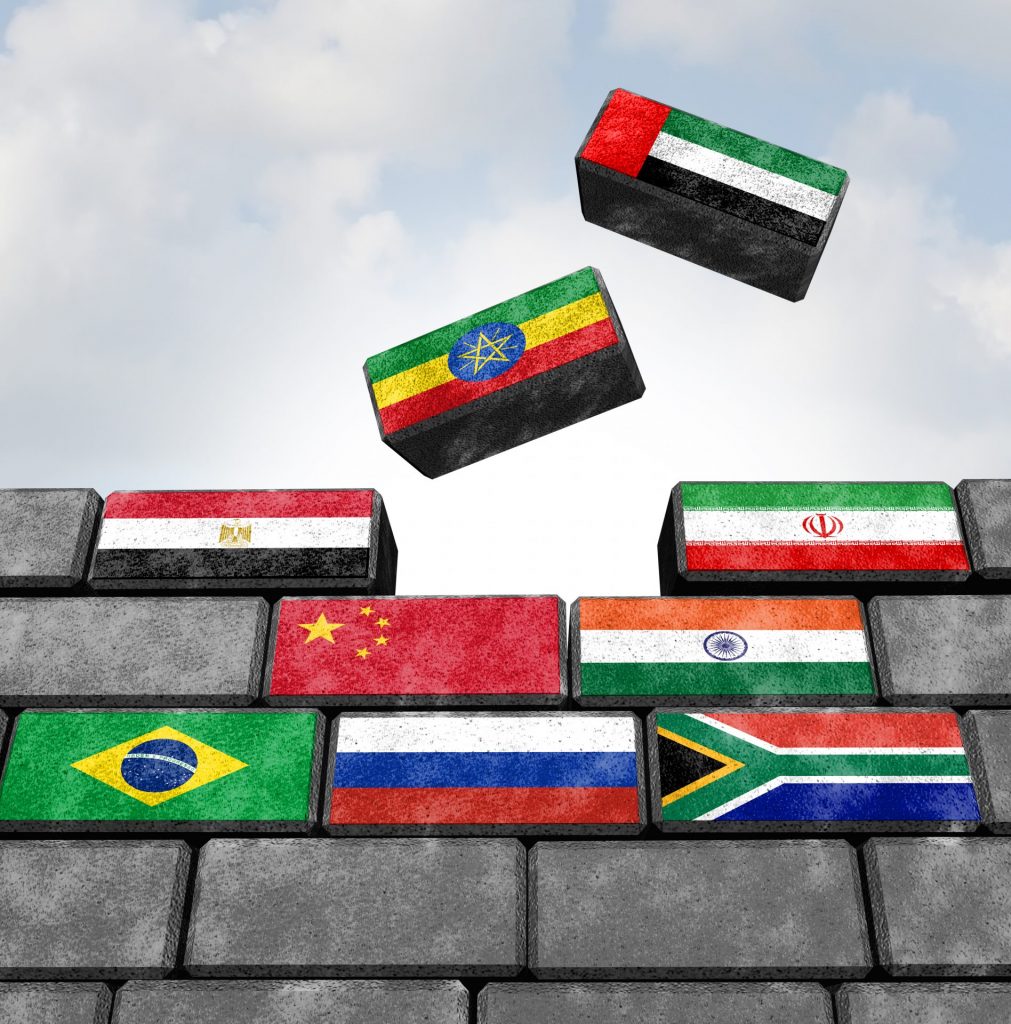
The expansion of BRICS to include Egypt, Ethiopia, Iran and the UAE marks a pivotal moment in the group’s evolution, reflecting broader shifts in the world order.
South Africa Must Use G20 to Ensure Nuclear Safety amid Global Concerns
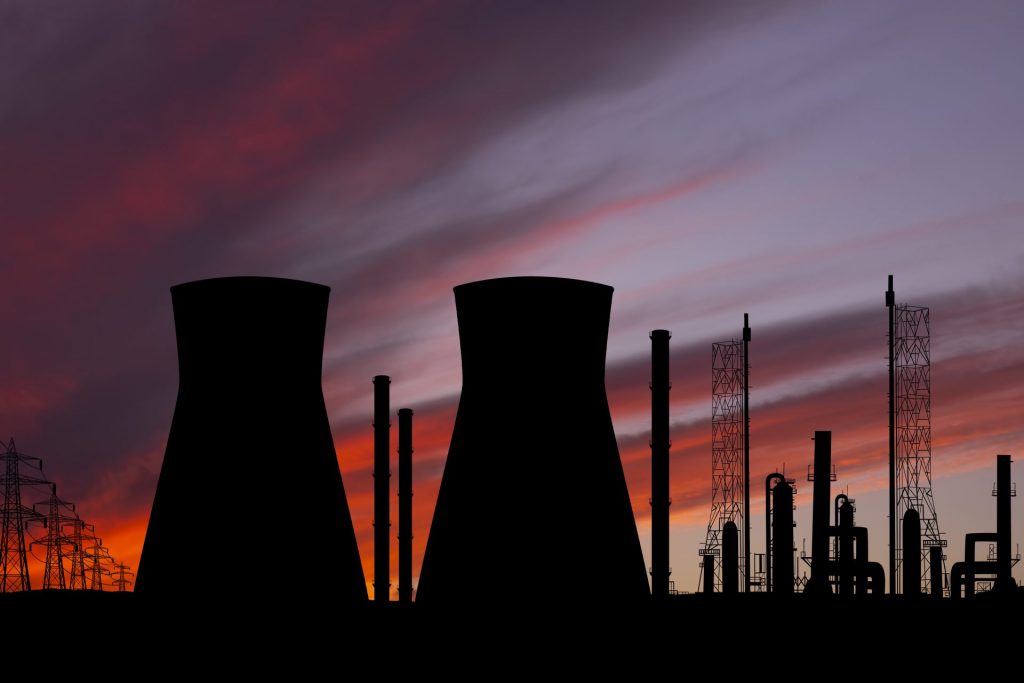
As chair of the G20, and with its strong history of advocating for nuclear disarmament, South Africa has a major role in advancing nuclear safety on a global scale and leading efforts to strengthen international laws to protect nuclear facilities from military conflicts.
Johannesburg Water Crisis Reveals Shortfalls in Delivering on Socio-Economic Rights
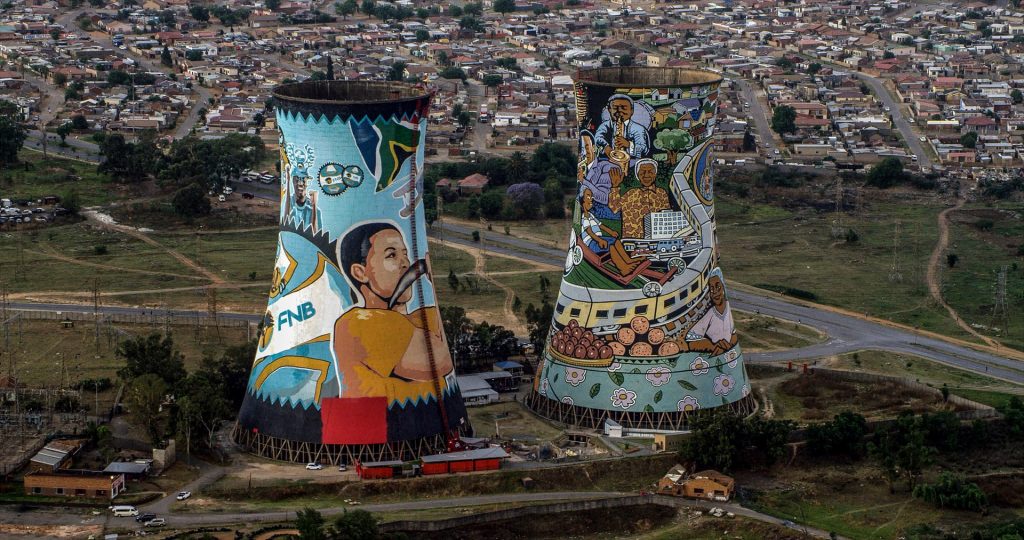
Municipalities have been continuously constrained by inadequate human resources, lack of skills, scarce finances, years of neglect and corruption.
The WTO’s Trade Policy Review Mechanism: Lessons for the AfCFTA Review Process

The AfCFTA Agreement is expected to generate an additional $450 billion by 2035, representing an increase of nearly 7% of Africa’s current income.
SAJIA 31.3 Offers Insights Into African Climate Politics, Sovereignty Discussions Within ECOWAS and SADC, and Al-Shabaab’s Amniyat in Somalia
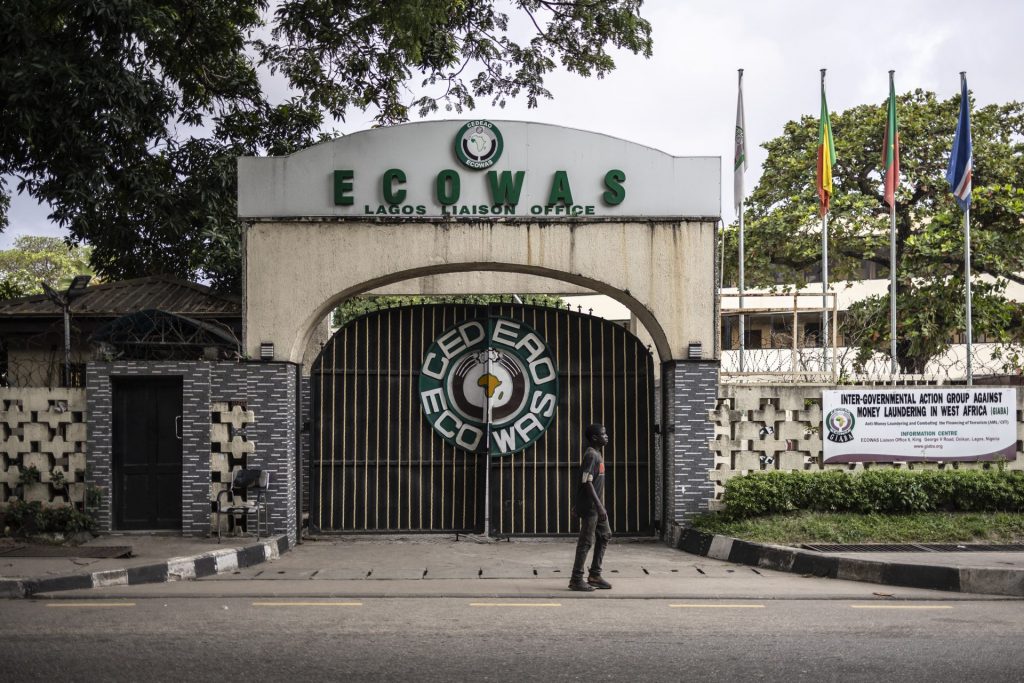
This issue also examines African digital diplomacy and the geography of cattle rustling in border regions of southwest Niger and northwest Nigeria.