

The End of the Road for Third Way

The outcomes of this year’s general elections in Britain could set in motion a trend that may erode the progressive core of Britain’s foreign policy.
Blue Helmets for Africa: India’s Peacekeeping in Africa

For the past 60 years, the United Nations has been keeping foes apart in strife-torn parts of the world, and rebuilding countries and communities afterwards.
Ten Reasons to Keep Faith with Africa’s Peer Review Process
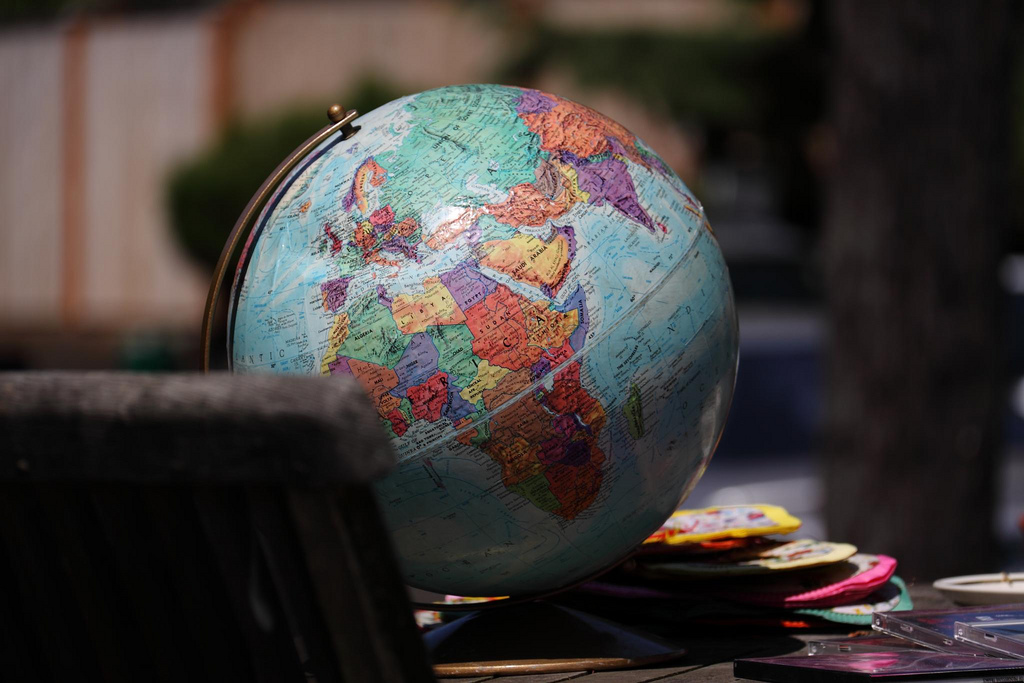
Almost a decade after Africa’s major governance monitoring mechanism was mooted, we must ask: What value has the African Peer Review Mechanism (APRM) added? Has it been worth the time and money? What has it changed?
Trade lessons for Africa in the aftermath of the flight disruptions
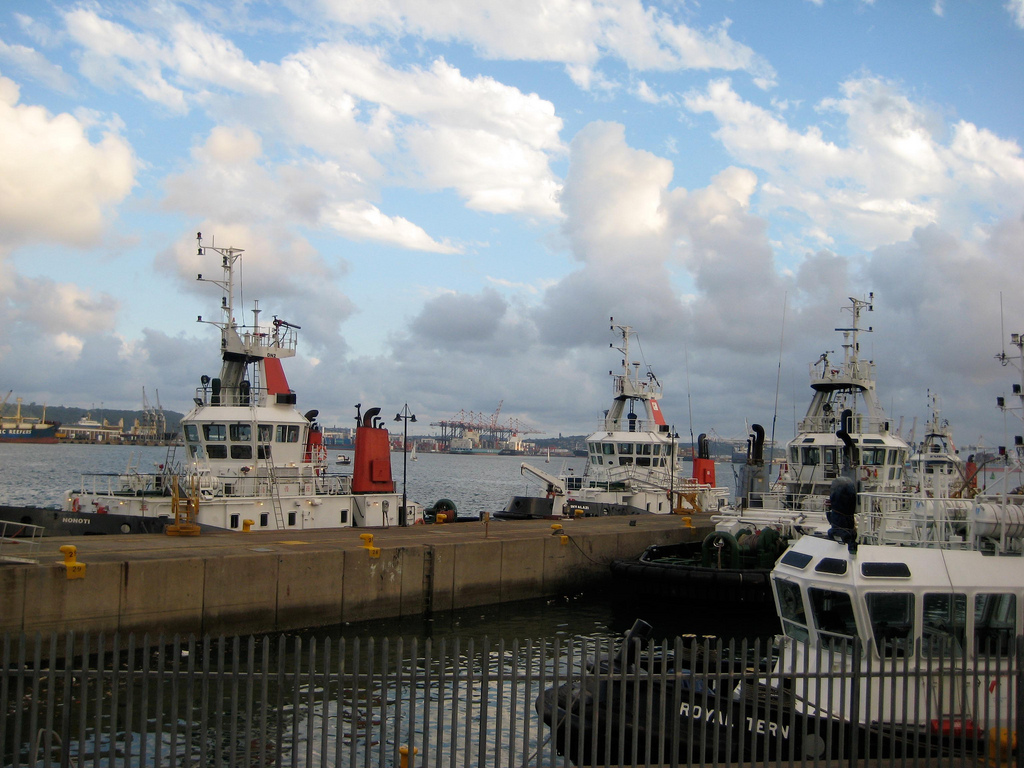
The week long flight ban across the North European air space had, prior to its lifting started to create apprehension as to its economic effects.
Economic policy battle lines drawn

There is a great deal of talk at present about who really controls South Africa’s economic policy and amid the clash of arms it is easy to miss just how pivotal a moment we are in.
SAIIA Roundtable: The African Peer Review Mechanism – Progress and Prospects
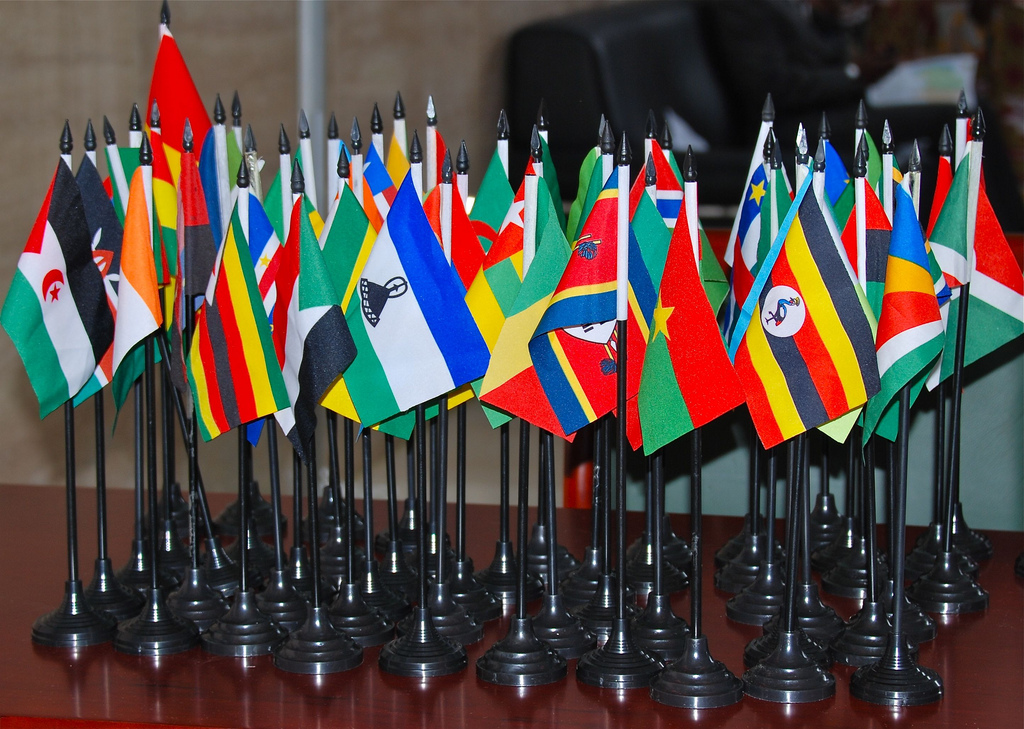
The roundtable agreed that, seven years on, the APRM has notched up notable achievements.
The BRIC Pitfalls and South Africa’s Place in the World
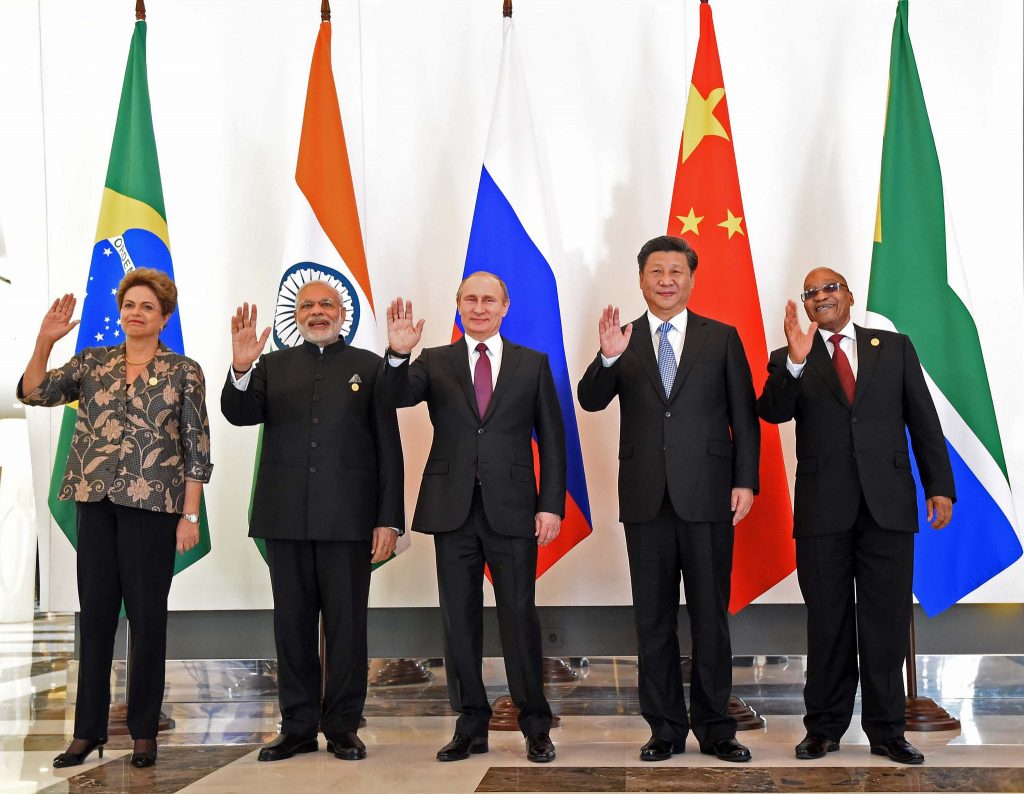
After many efforts of lobbying, South Africa was finally admitted to the exclusive BRIC Forum at its second Summit held in Brazil on the 16 April 2010.
Angola’s star could use a little shine from SA
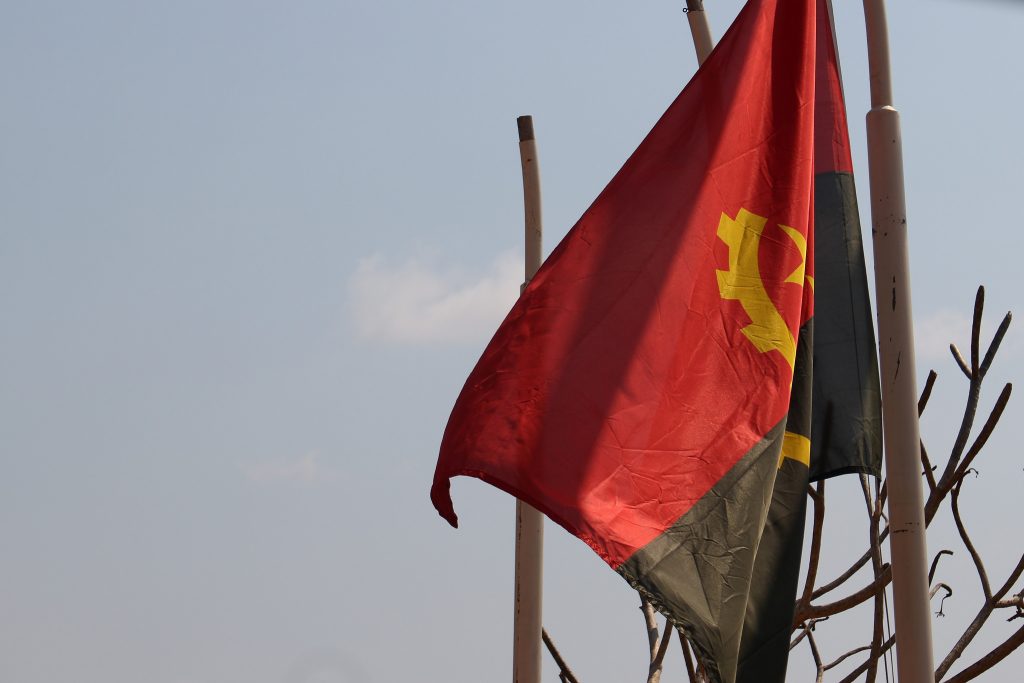
Not much has been written about Angola since January’s infamous terrorist attack.
All Hands on Deck for Defence at the IBSA Summit: Rethinking South Africa’s Position

The IBSA conference held last week in Brazil provided a useful opportunity to asses the value of this evolving trilateral framework in fostering broad and deep cooperation among the three partners on a variety of fronts.
What’s China’s Aim?
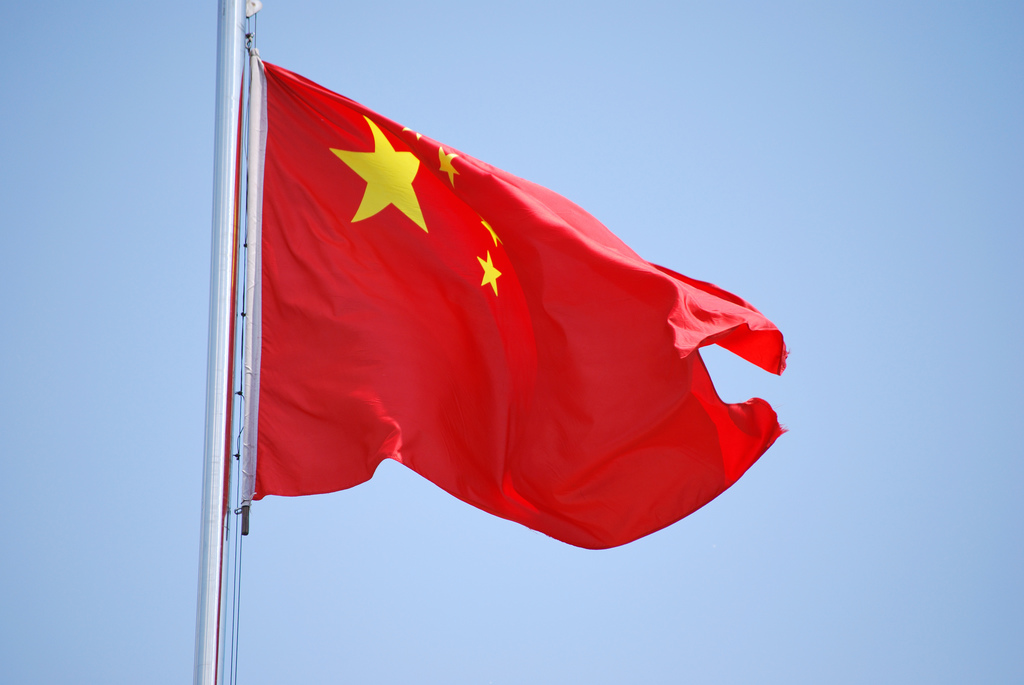
China’s global emergence is overwhelmingly good for the world.