

Scoping the Future of SACU: A hundred years on
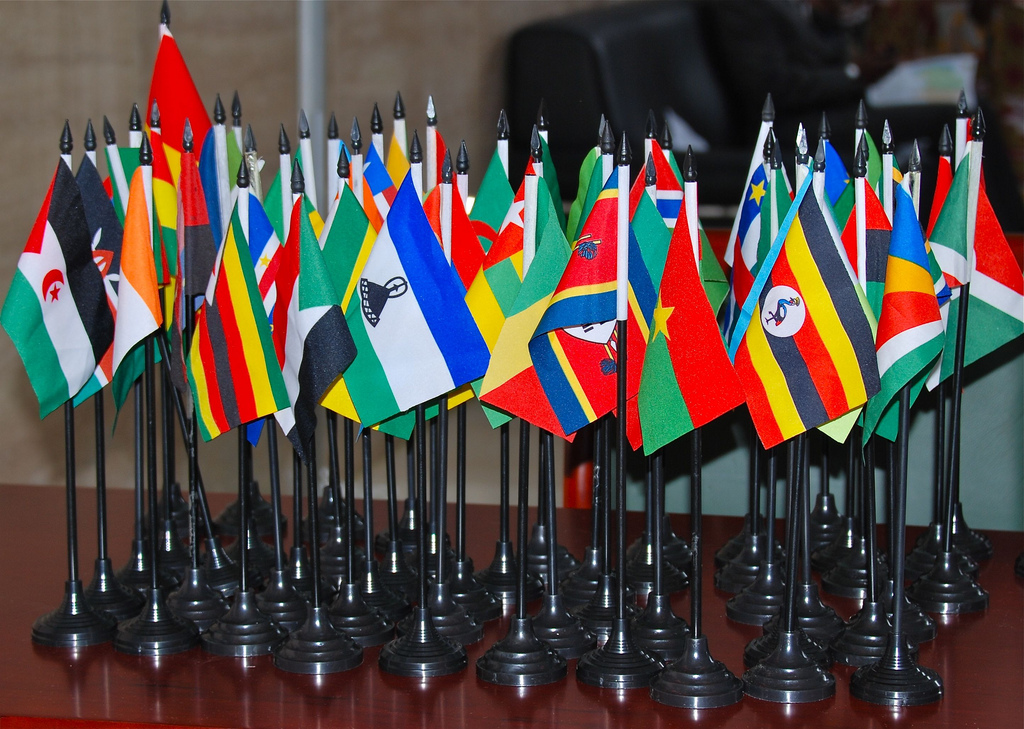
On June 29, the Southern African Customs Union (SACU) celebrated its centenary.
Does Not Awarding African Governance Prize Signal Downward Spiral?
Amid the excitement of the 2010 FIFA World Cup, an announcement by the Mo Ibrahim Foundation in June 2010 that it has again decided not to award its lucrative annual governance prize this year went almost unnoticed, at least in South Africa.
What Does the Future Hold for SACU? From Own Goal to Laduma! Scenarios for the Future of the Southern African Customs Union
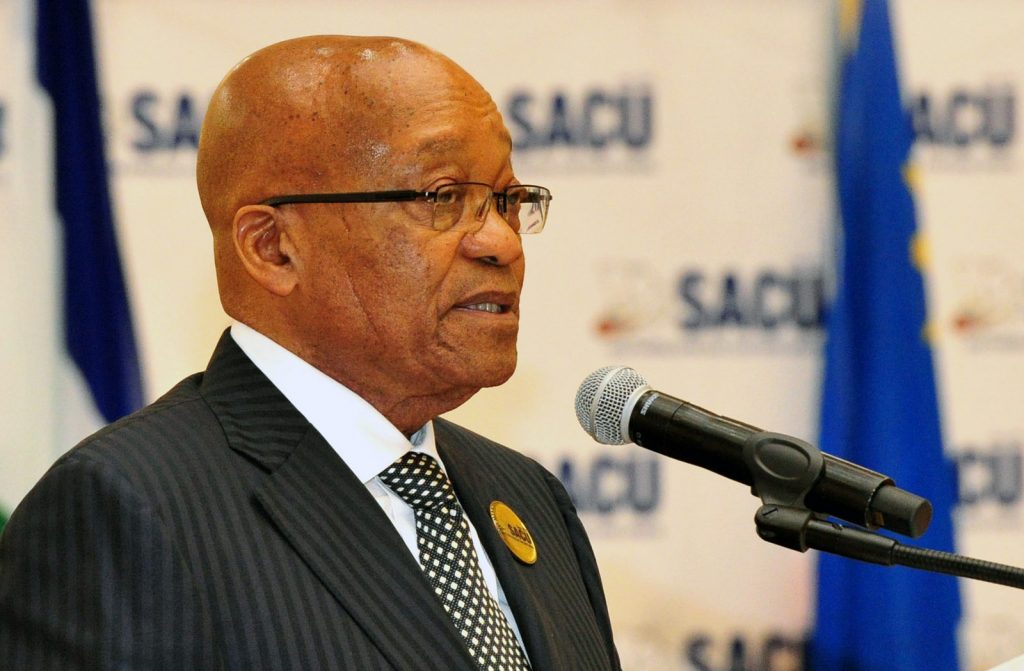
A group of Southern African Customs Union (SACU) experts and interested parties recently participated in a scenario-planning exercise on the future of SACU.
The Philippines General Elections Observed
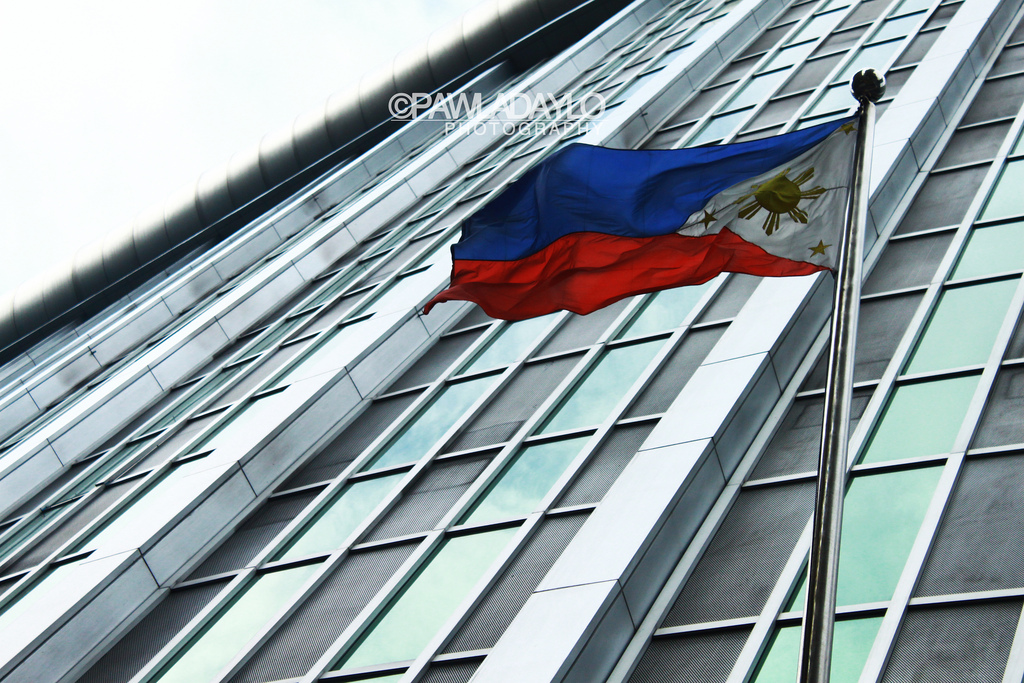
On 8 June the Speaker of the Philippines House of Representatives announced the result of the presidential election on 10 May.
Zuma is proving to be more than just a ‘domestic president’

At the end of President Zuma’s first year in the Union Buildings, one could well ask what are the emerging trends defining his presidency.
2010 FIFA World Cup: More than just football for SA?
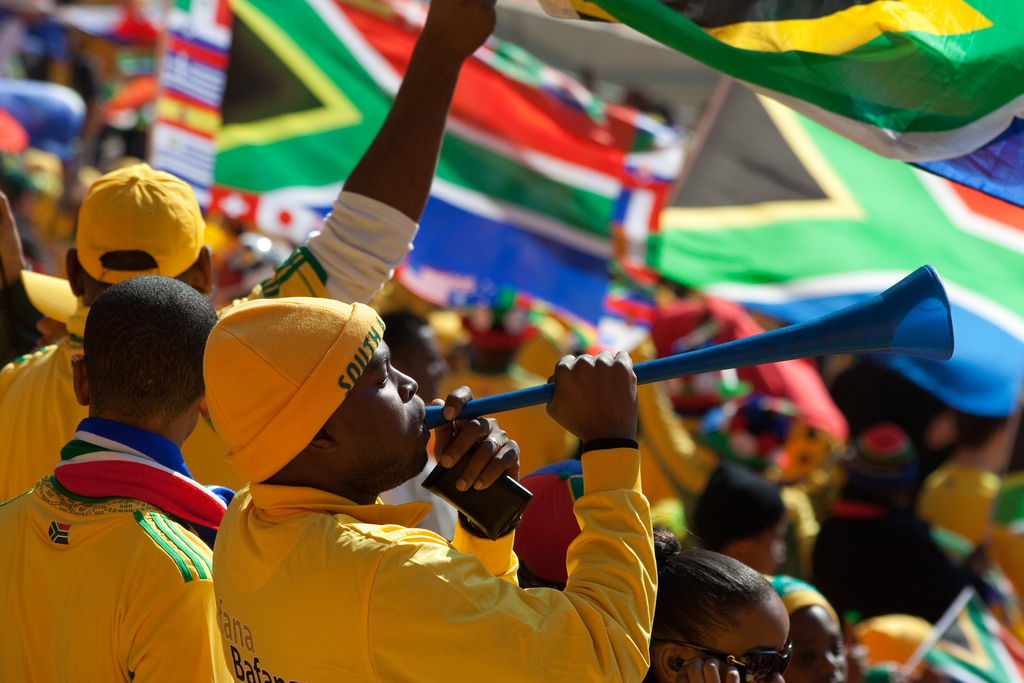
South Africa is ready to host the biggest sporting event this continent has ever seen.
The Myth and Reality of Chinese Investors: A Case Study of Chinese Investment in Zambia’s Copper Industry
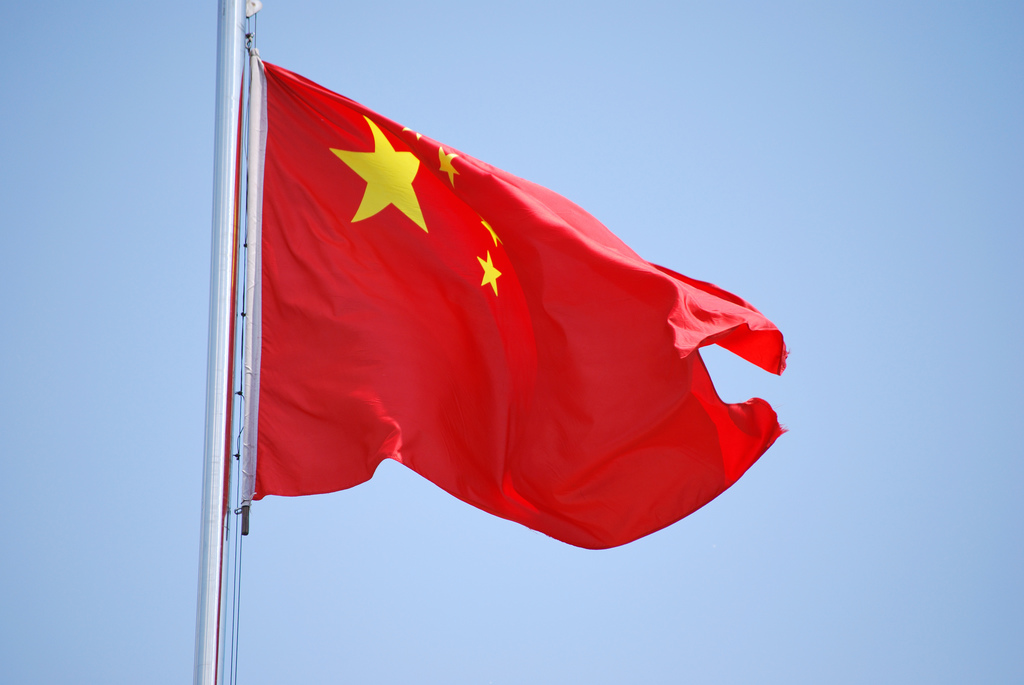
In any attempt to analyse the implications of Chinese foreign direct investment (FDI) for African countries, Zambia is the example par excellence, its historical relationship with China and its ever-increasing economic ties with the emerging power being the main reasons for this.
Falling between the Cracks? Prospects for Environmental Litigation Arising from Oil Production in Southern Sudan

Oil production in Southern Sudan has degraded agricultural lands and caused mass displacement and suffering of local pastoralist and agriculturalist communities.
SAIIA News: Goal Orientated
The World Cup isn’t just about fun and frivolity.
Forthcoming Visit of Deputy President Motlanthe to Turkey

Later this month South Africa’s Deputy President, Kgalema Motlanthe, is due to lead a delegation of ministers, business people, media representatives and officials to Turkey.