

Leveraging EVs for clean mobility, energy access and prosperity in SADC

The Southern African Development Community (SADC) was established with the key objective of enhancing regional economic integration for the benefit of its inhabitants. It is home to an estimated 363 million people, of whom many still lack adequate access to both energy and mobility services.
Powering Ghana’s Economic Development Through Nuclear Energy

Electricity supply in Ghana has been outstripped by electricity demand for decades. This has led to numerous energy crises, with negative consequences for the economy.
COVID-19 and E-Governance: Lessons from South Africa

The COVID-19 pandemic has underscored global dependence on the Internet. In the face of travel restrictions and lockdowns, social media has emerged as a crucial factor in the maintenance of personal relationships, working environments and day-to-day activities.
Electric vehicle battery manufacturing: Why SADC needs to act now
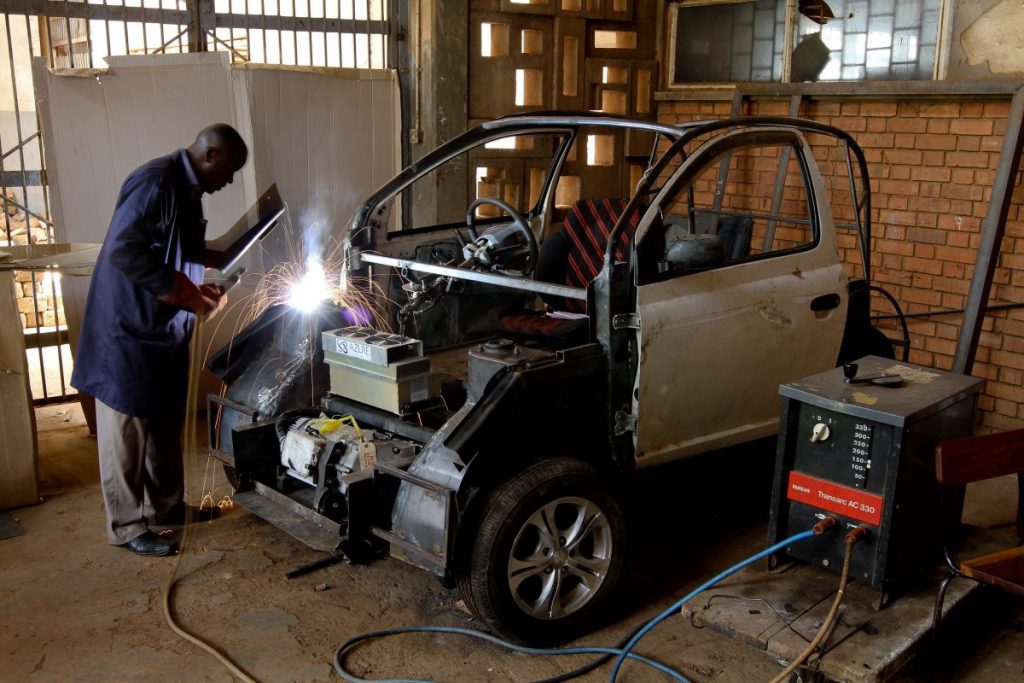
As we try to navigate the disruption that the COVID-19 pandemic has caused to our lives and livelihoods, I listen to people talk about what they will do “when things go back to normal”. But things will not go back to normal; at least not the normal that we were accustomed to before 2020.
Private Security Companies in Kenya and the Impact of Chinese Actors

This paper examines the development and impact of Chinese Private Security Companies (PSCs) in Kenya. Adopting a qualitative methodology approach, the study begins with an extensive literature review, followed by the findings from a month of fieldwork conducted in Nairobi, Kenya.
Laying the Tracks: The Political Economy of Railway Development in Ethiopia’s Railway Sector and Implications for Technology Transfer

Following the international surge of Chinese capital and companies in the last decade and the rise of the Belt and Road Initiative, many African countries have sought Chinese financing and technology for significant infrastructure investments.
Digital Disruption in Africa: Mapping Innovations for the AfCFTA in Post-COVID Times

This paper looks at the development of the Fourth Industrial Revolution (4IR) in Africa against the backdrop of the African Continental Free Trade Area (AfCFTA), and makes proposals for policymakers.
Egypt’s Quest for a Nuclear Future
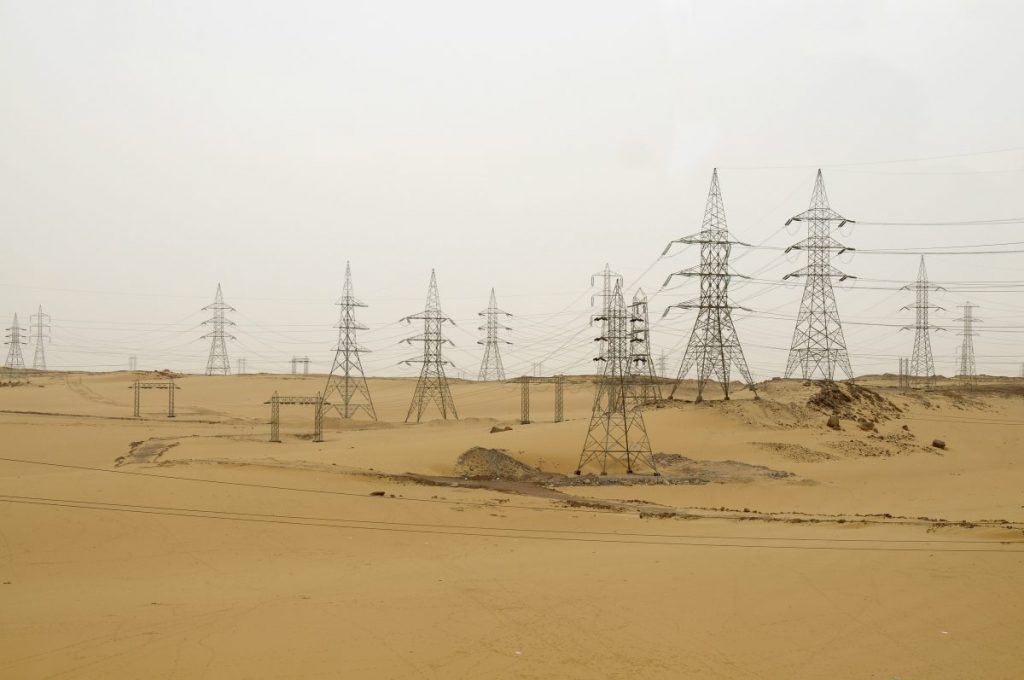
In 2015 Egypt signed an agreement with ROSATOM, the Russian state atomic energy corporation, to build a nuclear power plant at Al Dabaa on the country’s northern coast, west of Alexandria.
A strategic consideration of the African Union Free Movement of Persons Protocol and other initiatives towards the freer movement of people in Africa
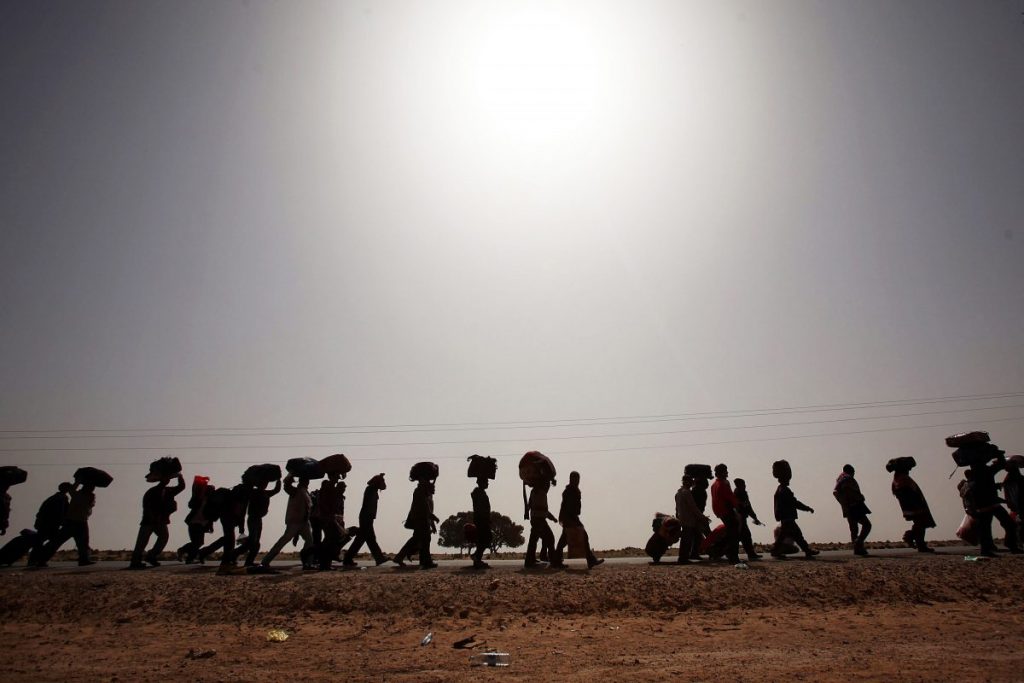
January 29, 2021 is the third anniversary of the adoption of the African Union Protocol on the Free Movement of Persons in Africa at the AU Assembly in Addis Ababa in 2018. Though 33 out of 55 countries have signed onto the Protocol, only 4 countries have ratified it, three years on.
U.S. Capitol breach was a shot heard round the world

In this Council of Councils global perspectives roundup, members of five leading think tanks reflect on the impact of the January 6 insurrection at the U.S. Capitol. The attacks left leaders and publics in many democracies stunned, reassured, or determined to play a bigger role in preserving democratic order in the world.