

The Blind Spot: International Mining in Angoche and Larde, Mozambique
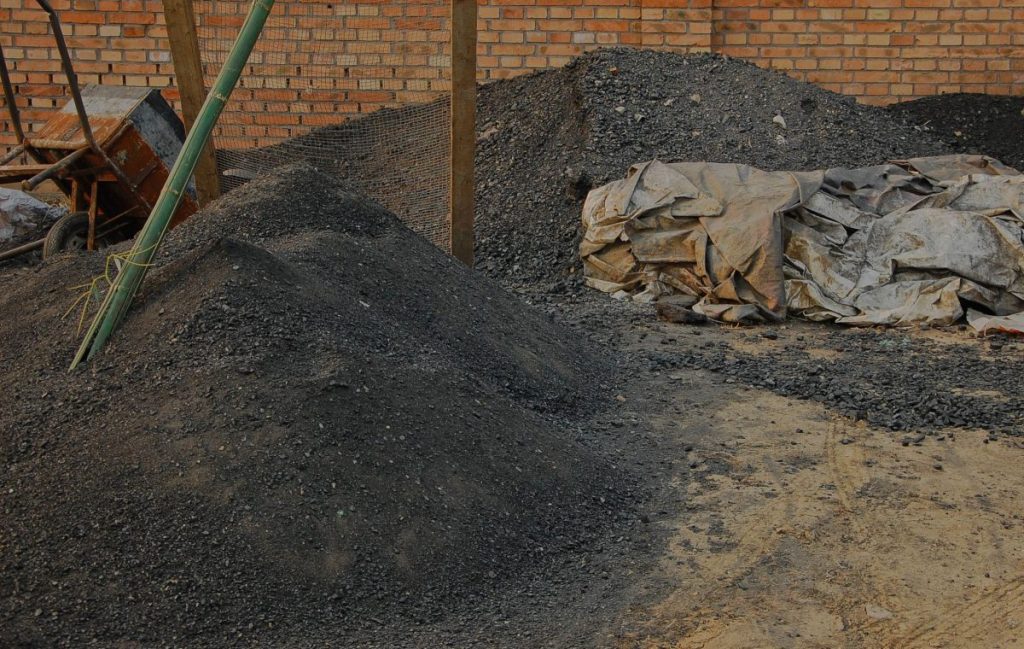
This study probes the social impacts of heavy and sand mining by international companies in Mozambique, looking specifically at how disputes are negotiated between companies, municipal and provincial governments, and civil society organizations (CSOs) representing local communities.
Wealth from Waste? Chinese Investments and Technology Transfer in the Tanzanian Plastic Recycling Industry
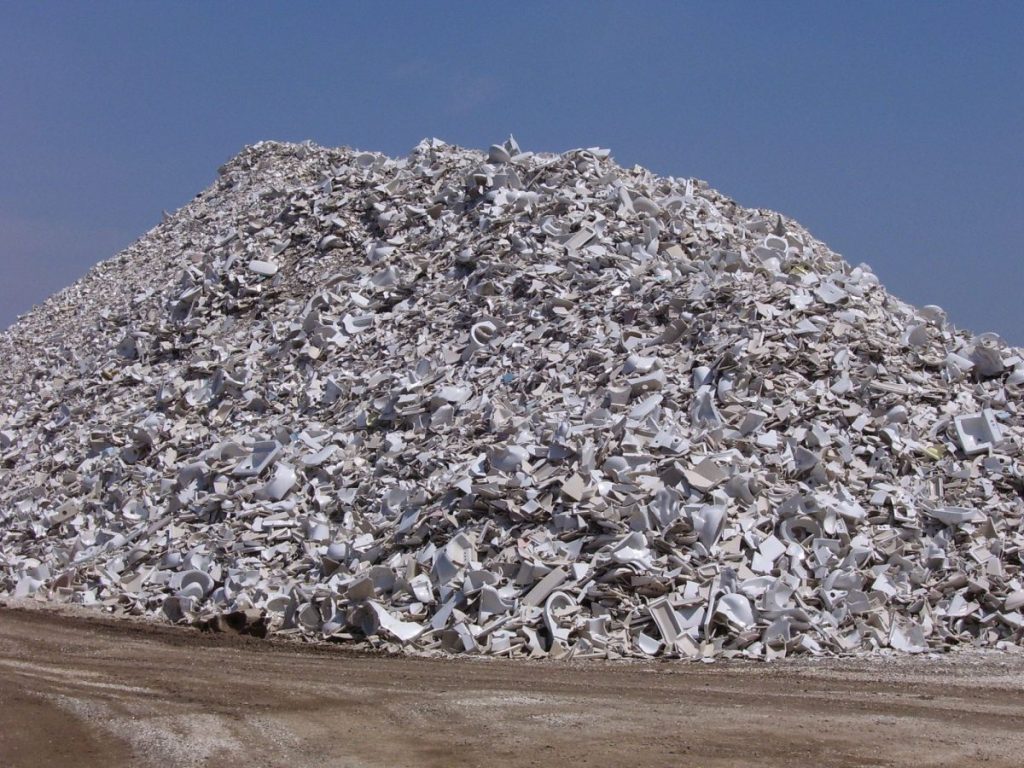
The history of recycling is almost as long as that of industrialization. Many developed countries, including the US and Japan, have benefited from the cross-border waste trade and recycling activities during their early stages of industrialization.
Lessons from East Asia: Comparing Ethiopia and Vietnam’s Early-Stage Special Economic Zone Development

The successful structural transformation of many East Asian countries in the twentieth century has made their developmental path attractive to many policymakers in sub-Saharan Africa (SSA) and Southeast Asia.
Do China-Financed Dams in Sub-Saharan Africa Improve the Region’s Social Welfare? A Case Study of the Impacts of Ghana’s Bui Dam
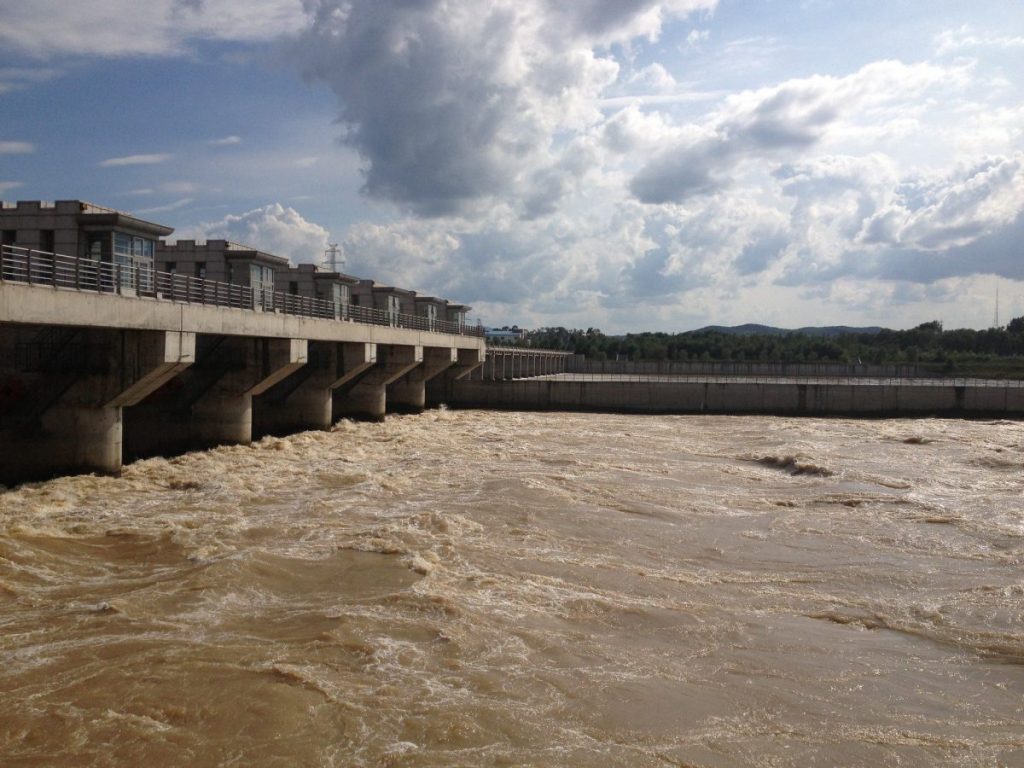
Lack of access to electricity in Sub-Saharan Africa is a major impediment to the region’s economic growth.
Assessing Chinese Manufacturing Investments in East Africa: Drivers, Challenges, and Opportunities
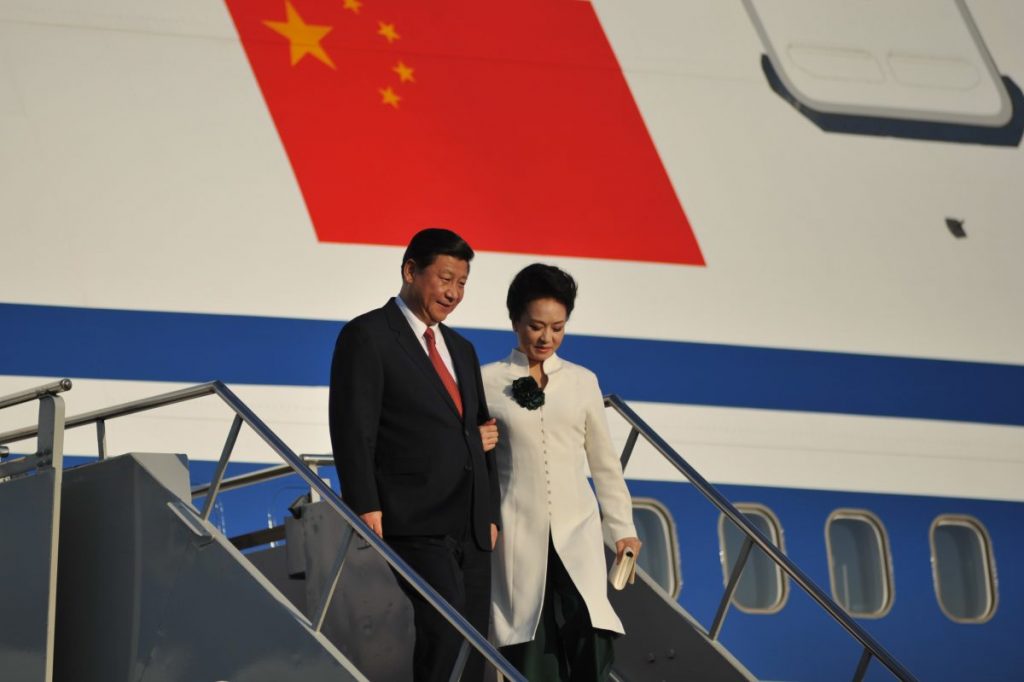
Of all the countries in Africa, Tanzania as enjoyed one of the most extensive economic linkages with China in part because of its political stability as well as its historical solidarity with China during the socialist era.
Can Africa build greener infrastructure while speeding up its development? Lessons from China
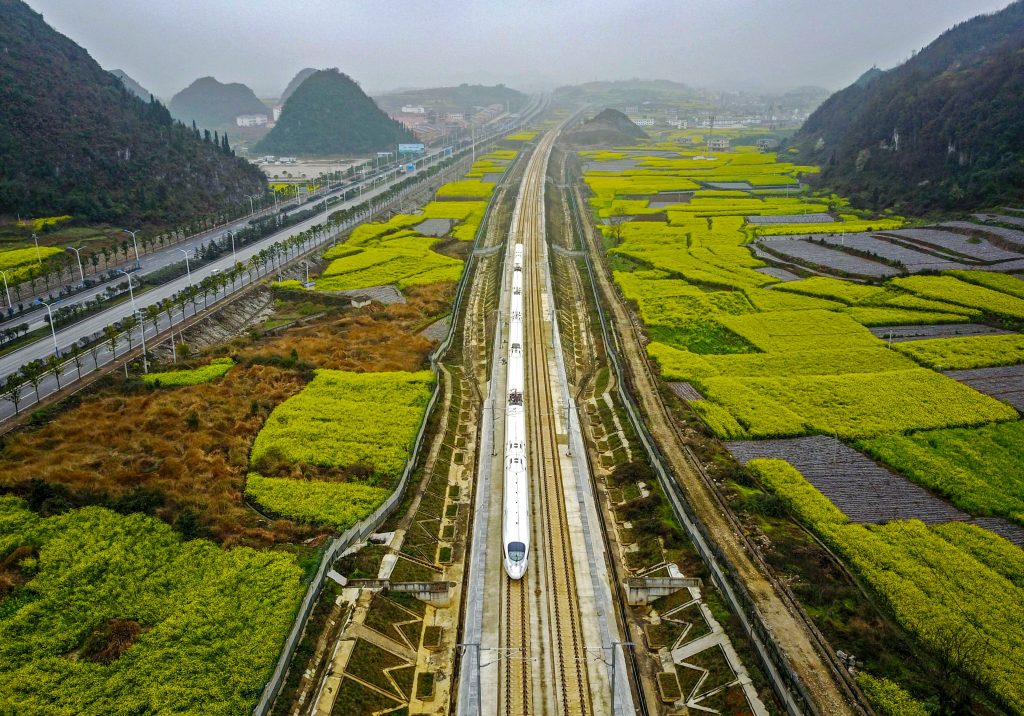
In 2013 China launched a global connectivity project known as the Belt and Road Initiative.
Linking soybean producers to markets: an analysis of interventions in Malawi and Zambia
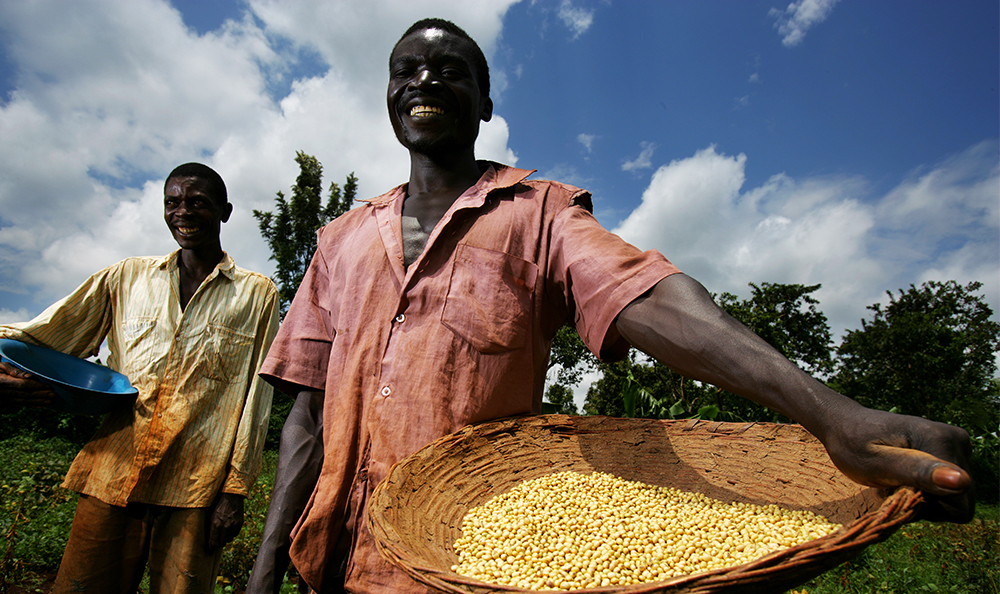
This paper seeks to examine the challenges and opportunities soybean producers (who are primarily smallholders) encounter in linking competitively to end markets in Malawi and Zambia, while making comparisons with South Africa’s more developed industry.
Global perspectives: G20 leaders summit

Council of Councils global perspectives roundups gather opinions from experts on major international developments. In this edition, members of five leading global think tanks sum up the outcomes of the G20 summit, held in Buenos Aires, Argentina, from November 30 to December 1.
The G20’s Africa problem
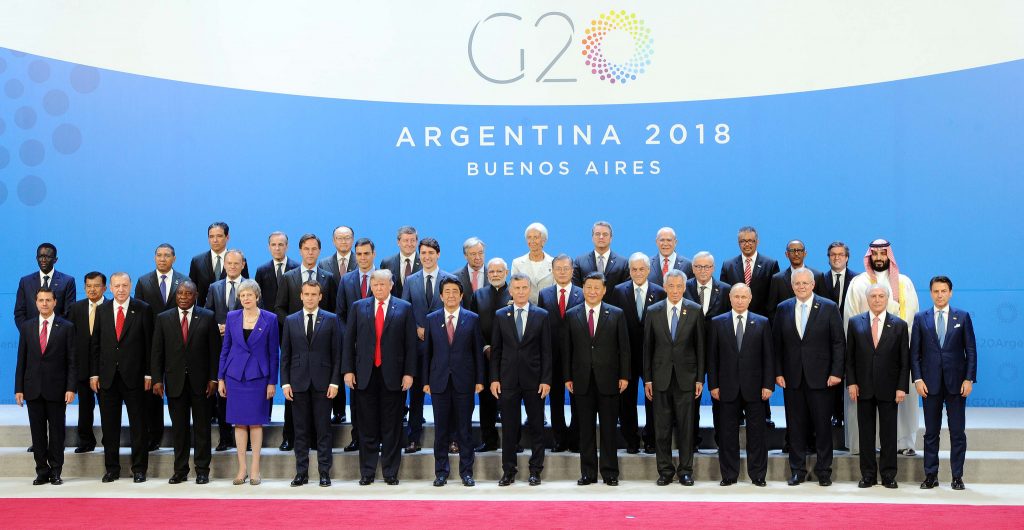
Although the G20 has made a limited effort to broaden its engagement with Africa in recent years, it has yet to include Africans in discussions of global issues that bear directly on their own economic prospects. Yet by consistently treating the region as a ward instead of a coequal partner, the international community is undermining its own future interests.
G20 Africa Monitor

The G20 Africa Monitor (G20AM) is a pilot initiative to support the work of the T20 Africa Standing Group and is supported by the GEG Africa programme.